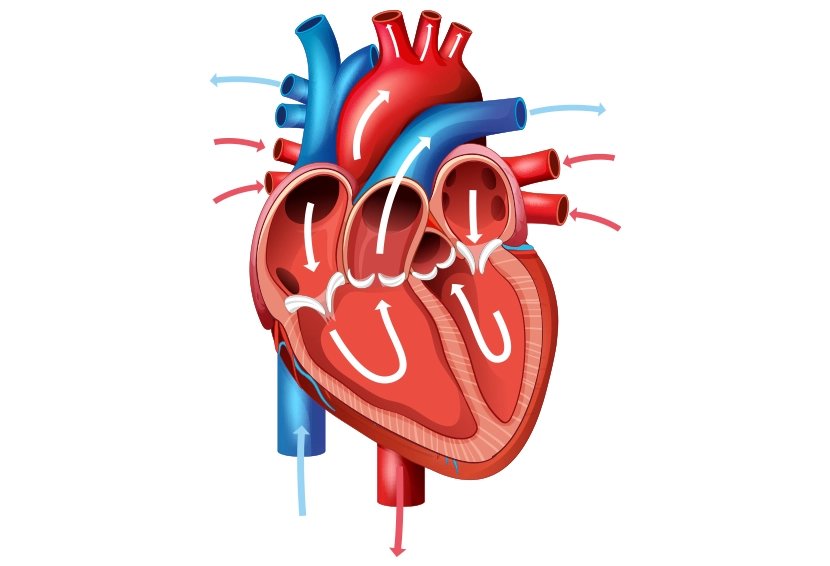
These conditions can be divided into two main categories: Congenital heart defects (CHDs) and acquired heart conditions.
CHDs are caused by improper heart development in the womb. These can range from mild (like small holes) to severe (missing parts).
| Types of CHDs | Subtype or Description | What Happens | Doctor’s Recommended Treatment |
| Septal Defects | Atrial Septal Defect (ASD), Ventricular Septal Defect (VSD) | Holes between heart chambers Extra blood floods the lungs, causing fast breathing |
Often repaired surgically or through a catheter. |
| Patent Ductus Arteriosus (PDA) | Persistent vessel between the aorta and the pulmonary artery | A blood vessel connecting the aorta and the pulmonary (lungs) artery stays open. | Generally closed with medication or a catheter coil. |
| Transposition of the Great Arteries (TGA) | Major arteries (pulmonary artery and aorta) are connected incorrectly. | Poor circulation of blood | TGA may require arterial switch surgery in the first weeks of life for survival. |
| Tetralogy of Fallot | This is the combination of four defects: ventricular septal defect, pulmonary stenosis, right ventricular hypertrophy, and overriding aorta | The four problems include a hole, a narrow pipe, a thick muscle, and a misplaced pipe They can cause cyanosis (bluish skin) |
Heart doctors correct them via open-heart surgery, often in infancy. |
| Hypoplastic Left Heart Syndrome | Poorly developed left heart side (chamber, valve, vessels) | The left side of the heart is too small and weak This limits systemic blood flow |
Special step-by-step surgeries (Norwood procedure) reroute the flow to help it grow. |
Develop after birth due to infections, chronic conditions, or sometimes medications, affecting the heart valves or muscles.
| Condition | Description | What Happens | Treatment or Management Methods |
| Kawasaki Disease | It is an illness with an unknown cause that harms the heart arteries. | Fever, rash, red eyes; can bulge arteries if untreated | IV medicines (such as Intravenous Immunoglobulin and aspirin) within 10 days prevent damage; most recover fully. |
| Rheumatic Heart Disease | It is rheumatic fever following group A strep infections. | Damages heart valves (narrows or leaks them) | Antibiotics eliminate strep early; valve surgery in severe cases. |
| Myocarditis | Inflammation of the heart muscle, often because of a virus. | Tiredness, rapid heartbeat, difficulty breathing | Rest, IV fluids, heart meds (like ACE inhibitors), and antivirals if needed; most heal in weeks. |
| Endocarditis | Germs infection in the heart's inner lining. | Fever, chills, weak heart function | Long IV antibiotics (4-6 weeks); surgery may be done to remove the infection if an abscess forms. |
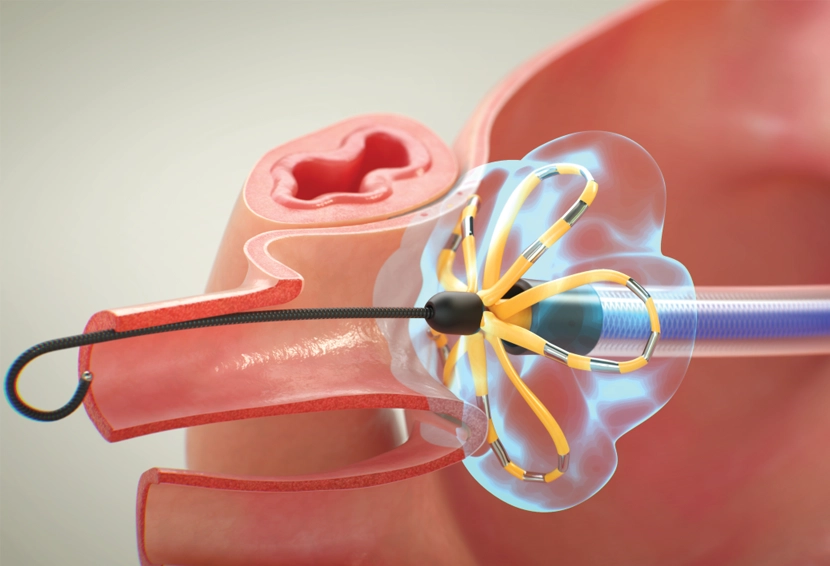
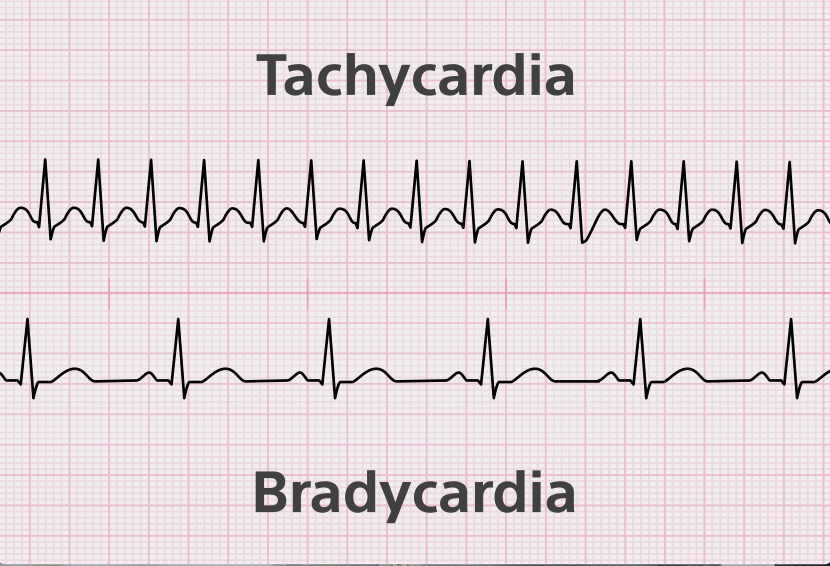
| Pediatric Arrhythmias | Abnormal heart rhythms, like Wolff-Parkinson-White syndrome or Long QT syndrome. | Dizziness, fainting, too fast or slow beats | Beta-blockers or ablation eliminate extra paths; the doctor may choose pacemakers or implants for slow rhythms, and avoiding trigger factors is recommended. |
Read Also: Best Heart Doctor In Chennai
The diagnosis is based on the type of disorder, symptoms and other individual factors.
A pediatric cardiologist near you may recommend the following tests:
Children are often not able to tell what they are going through; hence, as a parent, you have to observe and ask them about how they are feeling.
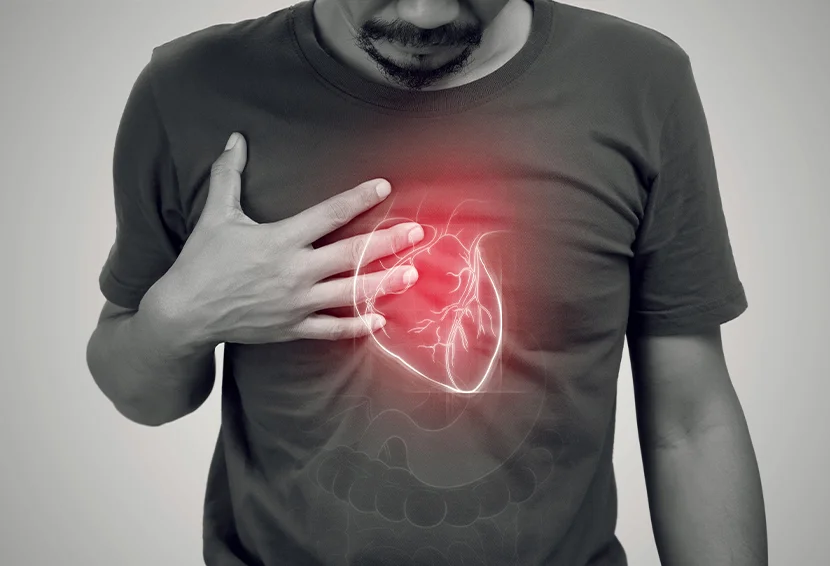
Consult the best pediatric cardiologist if your child shows the following symptoms:
A children’s cardiologist near you will decide the accurate management tips based on the type, severity, and other individual factors:
Artemis Cardiac Care is known to offer comprehensive care for infants, children, and adolescents with congenital or acquired heart conditions. Our multidisciplinary team offers a child-friendly approach that combines advanced technology with specialized expertise.
Visit the best nearby child’s heart specialist in Chennai to prevent further complications.
Treatment Options Available:
Call us at +91 9070902010 (24/7).
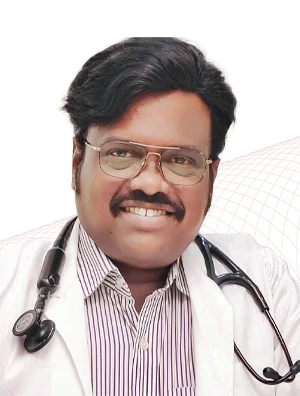
Chief Director Cardiology Department
Meet the doctorFrom Recent Advancements in Heart Care to Tips and Tricks to make your Heart Healthy Again, stay updated with reliable and informative blogs by our experts.

 WhatsApp Us (24/7)
 +91 9070902010 (24/7)


 Previous