processing...
Brand Logo
Myocardial Diseases: Causes, Symptoms, and Treatment Options Myocardial Diseases: Causes, Symptoms, and Treatment Options

Myocardial Diseases: Causes, Symptoms, and Treatment Options

Artemis Hospital

January 12, 2026 |
Myocardial Diseases: Causes, Symptoms, and Treatment Options 9 Min Read | 112

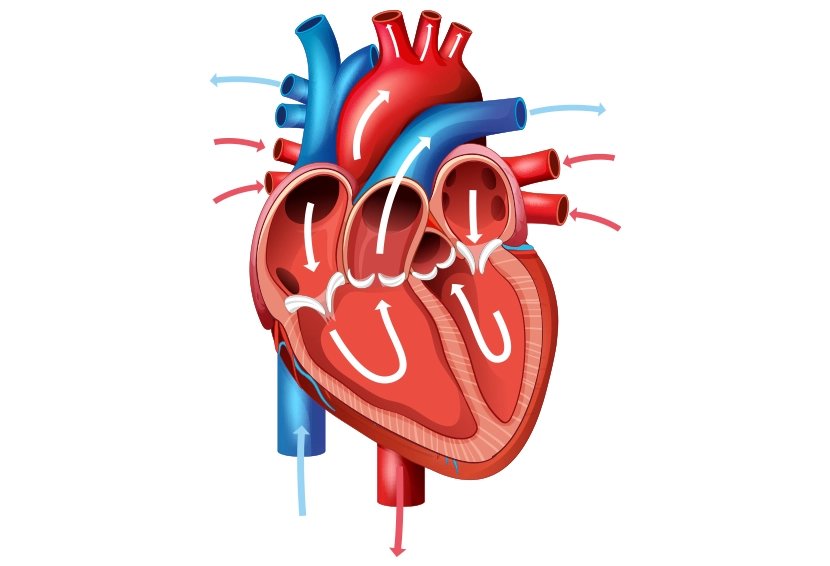
The heart muscle (also known as myocardium) is the thick, muscular middle layer of the heart wall responsible for its pumping action.

The heart muscle has the following function:

  • Pumping blood for delivering oxygen and nutrients while removing waste.
  • Rhythmic contraction of the heart ensures that it pumps blood efficiently and consistently.

The best cardiologist in Ranchi says people need to take care of their heart muscle with a heart-healthy diet, maintain a healthy weight, manage stress, and undergo regular health screening tests to ensure they function properly.

Watch out for symptoms such as chest pain or discomfort, shortness of breath, fatigue, and irregular heartbeats (palpitations), along with pain radiating to the arms, neck, jaw, or back. If you experience them, consult your doctor, as they can signal myocardial disease or heart muscle disease. Early help can prevent further complications.

What are Myocardial Diseases?

These are the conditions that affect the heart muscle (myocardium), primarily known as cardiomyopathies. These diseases weaken the heart's ability to pump blood, leading to potential heart failure.

Symptoms of Cardiomyopathies

The symptoms of heart muscle disease may include:

  • Fatigue
  • Heart palpitations
  • Chest pain
  • Arrhythmia (irregular heart rhythms)
  • Shortness of breath (dyspnea)
  • Swelling (edema) in the ankles or legs
  • Syncope (fainting)

What Causes Myocardial Diseases?

Here is the list of causes:

1. Genetic Mutations (The Primary Contributor)

Inherited genes from parents induce changes in the heart muscle proteins, making fibers weak or stiff over time. This can lead to enlarged or thickened heart walls, disrupting normal contraction.

2. Viral or Bacterial Infections

Viruses such as coxsackievirus or bacteria somehow reach the heart tissue and trigger inflammation that kills healthy cells. Over time, this weakens the myocardium's ability to relax or pump efficiently.

3. Blockage of the Coronary Artery (Major Blood Vessels That Supply Blood to the Heart)

Cholesterol, fats, and other substances block the arteries, delivering less oxygen-rich blood to the heart muscle (myocardium), affecting its function. 

4. High Blood Pressure (Hypertension)

Long-term high pressure triggers the heart to pump harder, causing muscle thickening (hypertrophy). This can lead to thinning and weakened walls, reducing blood output.

5. Toxins and Drugs

The repeated exposure to alcohol, chemotherapy, or cocaine causes oxidative stress, inflammation, and cell death. These effects can contribute to myocardial diseases.

6. Autoimmune Disorders

Autoimmune conditions like lupus make the immune system mistakenly attack the body's own healthy tissues and organs, causing ongoing inflammation. Additionally, the scar tissue replaces healthy cells, impairing function.

7. Stress During Pregnancy

Stress during pregnancy, especially peripartum (late pregnancy or postpartum), can cause hormonal shifts, increased oxidative stress (formation of harmful free radicals), and inflammation. This forces your heart to work harder, leading to weakened heart muscle.

8. Diabetes and Thyroid disease

Persistent high blood glucose levels in people with diabetes can damage blood vessels and nerves. Over time, this can lead to various myocardial problems.

Insufficient thyroid hormone (hypothyroidism) may trigger high cholesterol and high blood pressure; excess thyroid hormone (hyperthyroidism) puts the heart into overdrive. Over time, this can lead to various heart muscle problems.

Types of Heart Muscle Diseases

Types of cardiomyopathy include:

A. Primary Types

  • Dilated Cardiomyopathy (DCM): Enlarged, weakened left ventricle.
  • Hypertrophic Cardiomyopathy (HCM): Thickened heart muscle.
  • Restrictive Cardiomyopathy (RCM): Stiff heart muscle.

B. Secondary

  • Myocarditis: Infection-related inflammation.
  • Takotsubo (Broken heart syndrome): Temporary weakening induced by stress.

C. Other Types

  • Arrhythmogenic Right Ventricular Dysplasia (ARVD): Right ventricle muscle replaced by fat/fibrosis.
  • Transthyretin Amyloid Cardiomyopathy (ATTR-CM): Amyloid deposits stiffen the heart.
  • Left Ventricular Non-Compaction (LVNC): Spongy ventricular muscle.

The Risk Factors of Cardiomyopathies

The risks include:

  • Family history of heart failure.
  • Personal history of heart attacks.
  • Long-term use of cocaine.
  • Excessive alcohol consumption.
  • Pregnancy.
  • A highly stressful experience.
  • Radiation or chemotherapy to treat cancer.
  • A body mass index (BMI) above 30.

Is Cardiomyopathy Curable

There's no cure for cardiomyopathy, as it involves chronic damage to the heart muscle that cannot be fully reversed in the majority of cases. However, temporary forms (like stress-induced cardiomyopathy) can resolve.

Best Cardiologist in Ranchi says, it can be managed with personalized treatments like medication, lifestyle changes, and devices. Treatment helps slow progression and improve quality of life. Heart transplants offer a last resort for severe cases.

Treatment Options for Heart Muscle Disease

A. Lifestyle Modifications

  • Low-salt, low-saturated-fat diet
  • Regular exercise 
  • Supervised (cardiac rehab)
  • Stop smoking
  • Manage stress
  • Maintain a healthy weight
  • Limit alcohol

B. Medications Based on Condition

  • Blood pressure or heart rate management medicine 
  • Fluid management pills 
  • Blood clots
  • Cholesterol control medicine
  • Rhythm control

C. Procedures and Devices

  • Angioplasty or stent
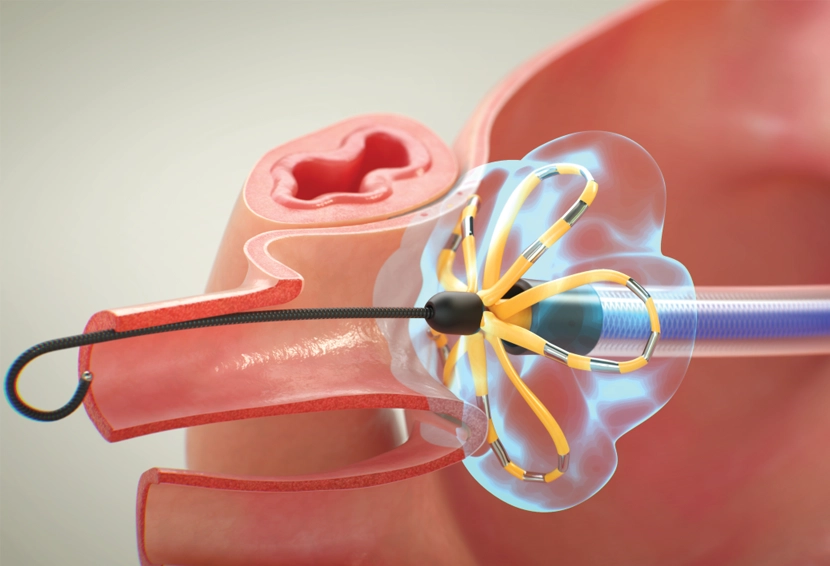
  • Implantable devices
  • Ventricular Assist Device (VAD)
  • Balloon Pump (IABP)

D. Surgical Options

  • Septal Myectomy
  • Heart Transplant for end-stage failure

Best Myocardial Diseases Hospital Near Me in Ranchi | Artemis Cardiac Care

Searching for the best treatment for conditions that affect the heart muscle? 

Contact Artemis Cardiac Care, backed by advanced diagnostic technologies for accurate diagnosis of heart muscle diseases and cardiologists who focus on a patient-centric approach.

Treatment Options Available:

Call us at +91 9070902010 (24/7).

Enquire Now

Want to connect with our team for a hassle-free experience? Share your details and we will get in touch at the earliest.

Latest Blogs

From Recent Advancements in Heart Care to Tips and Tricks to make your Heart Healthy Again, stay updated with reliable and informative blogs by our experts.

Our Locations

Artemis Cardiac Center