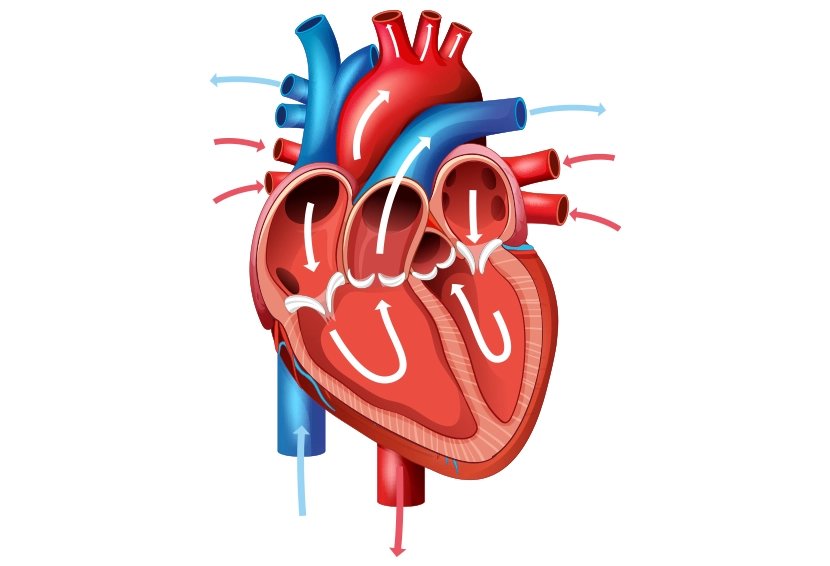
Congenital heart disease (CHD) is when a child is born with an issue in their heart’s structure that’s present at birth. These structural issues can keep blood from flowing normally. Best heart doctor can help address congenital heart defects in infants with the right treatment in a timely manner. All you need is to follow their advice.
Early Signs of Congenital Heart Disease | Parents Need to Aware of
The signs and symptoms of congenital heart defects may differ based on age, severity of the condition, type of the heart birth defect, number of heart issues, etc.
- Change in Color
- Appearance of bluish tint (cyanosis) to the skin, lips, tongue, or nail beds.
- Difficulty in Breathing
- Unusual breathing pattern, gasping for air, fast breathing or trouble breathing. You may notice failure in weight gain.
- Feeding Issues
- Poor feeding or getting tired quickly during feeds
- Fatigue and Irritability
- Restlessness, or inconsolable crying.
- Physical Changes
- Swelling in the legs, abdomen, or around the eyes,
- Unusual Heart Sound
- Weak pulse or pounding heartbeat. Heart murmur (a swishing sound the heart makes that may signal abnormal blood flow) with a stethoscope.
Heart doctor at the best pediatric cardiac hospital will do the accurate diagnosis.
How to Detect Congenital Heart Disease Early
CHD occurs when the fetal heart doesn’t develop properly in the womb. Experts don’t fully understand why that happens; however, it may be associated with:
A. Genetic Factors
- Gene Mutations
- Having abnormal chromosomes or genetics can increase the risk.
- Family History
- The risk to future generations increases if the defect runs in the family.
B. Maternal Health and Environment Triggers
- Infections
- Viral infections such as rubella during pregnancy can impair development of the fetal heart.
- Pre-existing (Type 1 or 2) Diabetes
- The uncontrolled sugar condition causes oxidative stress and apoptosis in cardiac tissue, contributing to the defect risk.
- Certain Medications
- Intake of lithium or acne treatments (isotretinoin) during pregnancy can contribute to the defect. Hence, take only the medicines that are prescribed during pregnancy.
- Alcohol and Smoking During Pregnancy
- Substance use can lead to oxidative stress, inflammation, narrowing blood vessels, and disrupting gene expression. This can contribute to structural heart defects at birth.
- Other Health Conditions
- Conditions like Maternal obesity and lupus are linked to the risk.
C. Unknown Causes
- There are some unknown factors that can interfere with the complex process of the heart forming during fetal development.
How to Detect Congenital Cardiac Disease Early
Here are the early diagnostic methods.
A. Before Birth
- Fetal Echocardiogram
- Genetic Testing (NIPT/Amniocentesis)
B. After Birth
- Pulse Oximetry Screening
- Physical Exam
- Clinical Signs
C. Further Diagnostic Tests
Can a Congenital Cardiovascular Malformation be Cured?
An individual born with a congenital heart anomaly can often be treated successfully in childhood. However, sometimes, the heart condition may not require repair during childhood or the symptoms aren't noticed until adulthood.
Treatment Options for Congenital Heart Anomaly
It depends on the age, specific type of heart condition and how severe it is. The best pediatric cardiologist can suggest the following treatment.
- Observation for mild defects and regular monitoring.
- Medications to improve heart function and manage symptoms.
- Minimally invasive procedure to fix issues such as holes or narrow valves.
- Surgery to fix complex issues.
- Supportive care for the babies too fragile for repair.
Cost of Congenital Heart Condition Treatment
The cost may vary based on the age, complexity of the condition, hospital type, surgeon's expertise, pre- and post-op care, and advanced technology.
Here is the general cost breakdown:
- VSD/ASD Closure: ₹2 Lakhs - ₹3 Lakhs.
- Blalock-Taussig (BT) Shunt: ₹1.2 Lakhs - ₹3.5 Lakhs.
- Bidirectional Glenn (BDG) Shunt: ₹1.6 Lakhs - ₹3.5 Lakhs.
- Fontan Procedure: ₹2.5 Lakhs - ₹5 Lakhs.
- Congenital Heart Defect Repair (General): ₹2.5 Lakhs - ₹8 Lakhs.
What Is the Most Common Paediatric Heart Surgery?
Here are the common procedures based on the type of heart birth defect.
- ASD/VSD Repair
- Tetralogy of Fallot (TOF) Repair
- Arterial Switch Operation (TGA)
- Coarctation of the Aorta Repair
- Fontan Procedure
- Norwood Procedure / Glenn / Fontan
- Heart Transplant
Best Pediatric Cardiac Hospital Near Me | Artemis Cardiac Care
Searching for the best child heart care facility in India? Contact Artemis Cardiac Care for comprehensive cardiac care. Here, you will get the benefits of child-friendly care backed by advanced technology and experienced heart specialists.
Our experts:
Call us at +91 9070902010 (24/7).
Explore the patient success stories here.
Conclusion
There aren't any proven strategies to prevent congenital heart conditions. However, you must maintain a healthy lifestyle, such as avoiding alcohol, smoking, and certain medications, and controlling chronic conditions like diabetes to reduce the risk. Go for regular visits during the pregnancy for timely screening of any delta defect.
When to Consult the Doctor
You should consult the best child cardiac doctor if you observe the following symptoms:
- Bluish or gray skin, lips, tongue
- Unusual breathing patterns like rapid breathing
- Feeding difficulty
- Swelling in the legs, belly or around the eyes
- Unusual fussiness or lethargy
Disclaimer: This blog is for informational use only and is not intended to replace professional advice. For the right child’s heart health care, follow your doctor’s advice only.
Written and Verified by:
Dr. Aman Arora
Years of Experience : 5 Years
Consultant Cardiologist Cardiology Department
Meet the doctor





 WhatsApp Us (24/7)
 +91 9070902010 (24/7)


 Previous