Cardiovascular disease is a name given to a group of conditions that affect the heart and blood vessels. It primarily impacts circulation around the body. Some of the most common cardiovascular diseases include coronary artery disease, heart attack, heart failure, abnormal heart rhythm, stroke, peripheral artery disease, certain congenital conditions, and heart valve diseases. Most cardiovascular diseases are linked to atherosclerosis, which refers to the buildup of plaque or fatty deposits in the arteries. This is commonly seen in people who have high blood pressure, high cholesterol, diabetes, unhealthy eating habits, and a sedentary lifestyle. Cardiovascular diseases can be managed, and the treatments vary from simple lifestyle changes to surgery.
Cardiovascular diseases happen to be the leading cause of mortality worldwide, as per the World Health Organization. In 2022 alone, 19.8 million people lost their lives due to CVDs, which accounted for 32% of the global mortality rate. 85% of these deaths were due to heart attack and stroke. These numbers are alarming. Over the decades, unhealthy lifestyle practices, eating habits, and environmental factors have significantly increased the cases of cardiovascular diseases, not only affecting adults but small children as well.
Many cardiovascular diseases are preventable or manageable with simple lifestyle changes, yet we often tend to ignore the warning signs till most of the damage is done. This blog will help you understand all about cardiovascular diseases, their symptoms, causes, and how these are treated. Continue reading.
What Is Cardiovascular Disease?
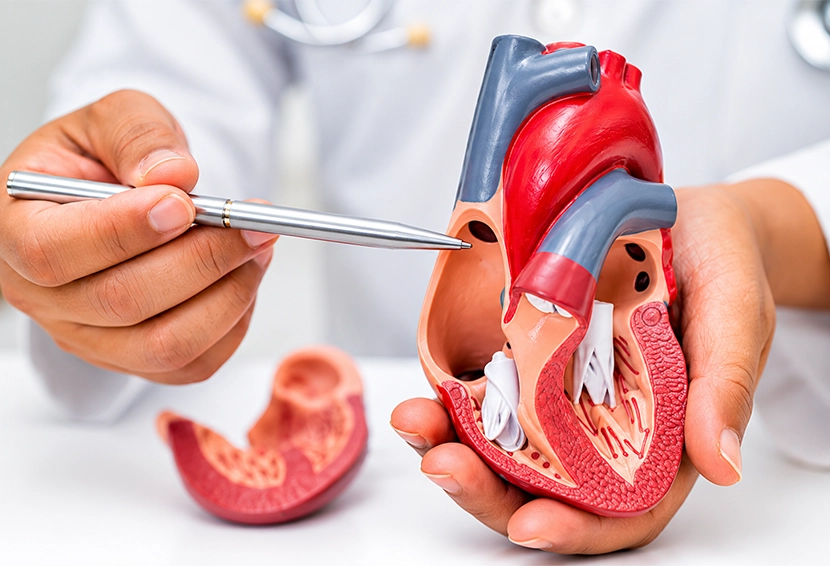
The term cardiovascular disease is used collectively for various conditions of the cardiovascular system. This consists of the heart and the blood vessels. These are known to impact the heart's ability to pump blood. If the conditions are left without timely medical intervention, cardiovascular diseases can lead to serious and even life-threatening complications.
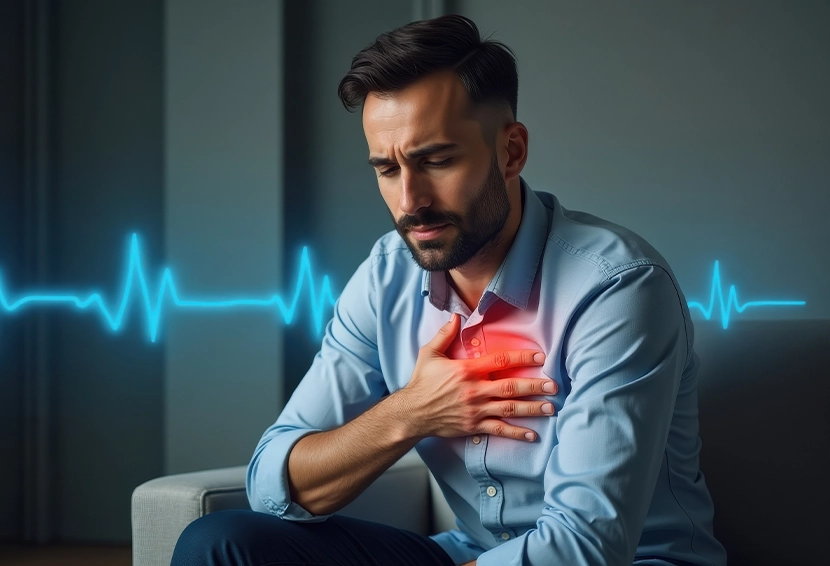
Different cardiovascular diseases manifest in different ways, which means the symptoms are not the same for everyone. Some people may have a CVD for years without even realizing it, just because there are no symptoms. Others may experience sudden pain or pressure in the chest, and the next thing they know, they're having a heart attack or stroke.
The risks of cardiovascular diseases are higher in people who have pre-existing conditions like hypertension, high cholesterol, high blood sugar, obesity, or a family history of heart disease. In such cases, it is important to go for regular assessments and keep the numbers under control. In case you are experiencing any symptoms, it is important to see a doctor immediately.
What Are the Types of Cardiovascular Disease?
- Coronary artery disease: The coronary artery is the major blood vessel that is responsible for carrying oxygen- and nutrient-rich blood to the heart. Coronary artery disease is a condition in which the coronary artery becomes narrowed or blocked. One of the classic symptoms of coronary artery disease is chest discomfort or angina.
- Heart attack: When there is severe blockage in the coronary artery, it can abruptly stop the flow of oxygen- and nutrient-rich blood to the heart muscles. As a result, the muscles start to get damaged or die, resulting in a heart attack.
- Heart failure: As the name suggests, heart failure is a condition in which the heart fails to meet the body's needs for oxygenated blood. This means that the heart has become too weak, stiff, or incapable of pumping blood to the rest of the body.
- Arrhythmia: Arrhythmia is a condition in which the person's heartbeat becomes too fast, too slow, or irregular. While it is completely harmless in some cases, in others it could be linked to increased risks of stroke.
- Stroke: Stroke is a serious condition caused by the sudden disruption in the flow of blood to the brain. This could be due to a brain bleed or a clot. Without oxygenated blood, brain cells start to die, leading to debilitating complications.
- Valve diseases: The term "valve diseases" is used for various conditions of the heart valves that prevent them from functioning efficiently. Common valve diseases include stenosis, regurgitation, prolapse, or atresia.
- Congenital heart diseases: These are a group of heart conditions that are present since birth and are often linked to developmental abnormalities while the baby is still in the womb.
- Peripheral artery disease: These are the arteries that are responsible for carrying oxygenated blood to the limbs. When the blood flow is blocked, it can lead to cramping, pain, and heaviness, and in extreme cases, may also call for the need for amputation.
What Causes Cardiovascular Disease?
One of the leading causes of cardiovascular diseases is atherosclerosis, which refers to the buildup of plaque in the arteries. Plaque is nothing but cholesterol, calcium, and fat particles that stick together, causing blockage. If a plaque ruptures, it can lead to the development of a blood clot, which can completely obstruct the flow of blood. If the coronary artery is involved, it can lead to a heart attack, and if the carotid artery is blocked, it can lead to a stroke.
What Are the Risk Factors for Cardiovascular Disease?
Risk factors of cardiovascular diseases include:
- High blood pressure, high cholesterol, and diabetes
- Smoking and tobacco use
- Unhealthy eating, with too much salt, sugar, and unhealthy fat
- Physical inactivity and excess weight
- Excess alcohol, stress, and air pollution
- Age and family history, which cannot be changed
What Are the Symptoms and Signs of Cardiovascular Disease?
Symptoms and signs of cardiovascular disease include:
- Chest pain, pressure, or tightness, often with exertion
- Shortness of breath, especially during routine activity
- Unusual tiredness, dizziness, or fainting
- Palpitations or an irregular heartbeat
- Swelling in the feet and ankles
- Pain that spreads to the arm, jaw, neck, or back, with sweating or nausea
Some patients might not experience any symptoms, especially during the initial stages. This is the reason why a lot of emphasis is placed on regular screening.
How Is Cardiovascular Disease Diagnosed?
A cardiologist begins with history, blood pressure measurement, and a physical examination. Tests may include an ECG, echocardiogram, treadmill test, blood tests for cholesterol and sugar, and in some cases a coronary angiogram. India’s national program, NPCDCS, supports screening and early diagnosis of heart disease and stroke.
How Is Cardiovascular Disease Treated?
- Lifestyle changes: Simple lifestyle modifications, such as eating a healthy diet, indulging in physical activities on a regular basis, quitting tobacco, limiting alcohol, and keeping your weight under check, can make a big difference. Doctors recommend these as a preventive measure as well as to manage existing conditions.
- Medicines: You may be prescribed certain medicines to manage the underlying risk factors, such as blood sugar, cholesterol, and blood pressure. Some medicines are also prescribed for preventing blood clots and to help your heart function efficiently.
- Surgery: In cases where lifestyle changes and medicines alone are not enough, surgical procedures like angioplasty may be recommended to treat the damaged arteries. For patients with irregularity in heartbeat, a pacemaker may be used. Major surgical procedures like bypass surgery and valve repair or replacement may be needed if other treatments are not working.
Can Cardiovascular Disease Be Prevented?
Many cardiovascular diseases can be prevented, or their risks can be brought down by simple lifestyle modifications. The World Health Organization notes that most cardiovascular diseases, including heart attacks and strokes, can be prevented by addressing the behavioral and environmental risk factors. All you need to do is make simple, healthy changes in your day-to-day life. These include:
- Eat a healthy diet with fresh fruits, vegetables, whole grains, pulses, nuts, and healthy proteins. Limit sugar and salt intake, and avoid unhealthy fats. Control your portions and avoid nighttime snacking. All these habits will also help to keep your weight under check, which, again, happens to be a major risk factor for heart diseases.
- Stay physically active. Instead of taking the elevator, take the stairs. Go out for walks, play sports, try yoga, aerobics, or anything that keeps you moving. Physical activities help to improve circulation and keep your heart healthy. According to the World Health Organization, regular physical activity can help to lower the risks of heart diseases and stroke by almost 19%.
- Avoid smoking as it can damage the blood vessels. According to the World Health Organization, smokers are at 2 to 4 times higher risk of developing coronary heart disease and stroke as compared to non-smokers. People exposed to secondhand smoke are also at 25 to 30% raised risks.
- Keep your weight under check, as obesity is a major intermediate and independent risk factor for various cardiovascular diseases. It has also been linked to hypertension, blood sugar, and cholesterol. If you are eating healthy and staying physically active, half of the work is already done. If you are overweight or obese, you might need a more personalized approach to lose those extra pounds.
- Manage your stress levels. The World Health Organization has recognized chronic stress as a crucial factor associated with cardiovascular diseases. This can be managed with the help of relaxation techniques, proper sleep, and healthy coping methods. Talk to someone if you're not able to do it yourself. Seek professional help if you feel the need.
- Keep your blood pressure, cholesterol, and blood sugar levels under check. If you have been prescribed any medication, make sure you are taking these on time. Regular checkups and tracking can really help.
Conclusion
Cardiovascular diseases are very common and a major health challenge across the globe. However, most of these conditions can be easily prevented or controlled with timely intervention and healthy lifestyle modifications. It is important to understand the risk factors and how these can affect you and your loved ones. Look out for the warning signs and go for regular health checkups. Eat a healthy diet, stay physically active, avoid tobacco, manage stress, and make sure your blood pressure, diabetes, blood sugar, and cholesterol levels are under control. If you are experiencing any of the symptoms and planning to consult a cardiologist in Ranchi, book an appointment with our experts at Artemis Cardiac Care.
FAQs
1. What is cardiovascular disease?
Cardiovascular diseases are a group of conditions affecting the heart and the blood vessels. Some of the most common cardiovascular diseases include coronary artery disease, heart attack, heart failure, stroke, and heart rhythm disorders.
2. What are the early signs of cardiovascular disease?
Early signs of cardiovascular diseases include tightness in the chest, breathlessness, fatigue, palpitations, and swollen feet/ankles. The symptoms usually worsen after physical activity.
3. Is cardiovascular disease the same as heart disease?
Cardiovascular disease is not the same as heart disease. In fact, heart diseases are a part of cardiovascular diseases. Cardiovascular disease is a broader term used for diseases affecting the heart as well as the blood vessels.
4. Can cardiovascular disease be cured?
Some cardiovascular diseases can be cured, while others have to be managed with lifestyle changes, dietary modifications, medication, and continued treatment.
5. How can cardiovascular disease be prevented?
Cardiovascular diseases can be prevented with healthy lifestyle modifications, which include eating healthy, staying active, avoiding tobacco, limiting salt and sugar, cutting down on the consumption of alcohol and controlling cholesterol, blood sugar, and blood pressure.
References
- World Health Organization. Cardiovascular diseases (CVDs) fact sheet. https://www.who.int/news-room/fact-sheets/detail/cardiovascular-diseases-(cvds)
- Ministry of Health and Family Welfare, Government of India. NPCDCS Operational Guidelines. https://www.py.gov.in/sites/default/files/operationalguidelinenpcdcs.pdf
- World Health Organization. Cardiovascular diseases (health topic). https://www.who.int/health-topics/cardiovascular-diseases#tab=tab_1
- World Health Organization. Healthy diet. https://www.who.int/initiatives/behealthy/healthy-diet
- World Health Organization. Physical activity (health topic). https://www.who.int/health-topics/physical-activity#tab=tab_1
- World Health Organization, Regional Office for Europe. Effects of tobacco on health. https://www.who.int/europe/news-room/fact-sheets/item/effects-of-tobacco-on-health
Medical Disclaimer: This blog is for general awareness only and is not a substitute for professional medical advice, diagnosis or treatment. Please consult a qualified cardiologist for any heart-related concern, and seek emergency care for severe chest pain, breathlessness or signs of stroke.
Written and Verified by:
Dr. Rajesh Kumar Jha
Years of Experience : 16 Years
Consultant Cardiology Department
Meet the doctor




 WhatsApp Us (24/7)
 +91 9070902010 (24/7)


 Previous