Many people tend to ignore the early symptoms of heart problems because they seem too easy to explain.
Breathlessness and fatigue? You must be tired.
Swelling in the ankles and feet? You might have walked too much.
Unusual feeling in the chest? It must be because of something you ate.
That’s how people often dismiss symptoms of heart disease.
It is important to understand that heart symptoms can manifest in different ways in different people. They do not appear in the same way in every person. In fact, some people might not experience any symptom at all. These take years to develop, and by the time you actually start noticing something is wrong, most of the damage is already done.
According to the World Health Organization, Early detection of cardiovascular diseases is important so that the treatment can be started. But detection is only possible when people recognize the early signs of heart problems and consult a specialist.
If you’re noticing any unusual symptoms that you think may be linked to a heart problem or if you are looking to consult a cardiologist in Patna, book an appointment with our experts at Artemis Cardiac Care.
Pressure, pain, or tightness in the chest are the classic symptoms of heart problems. People often describe it as a squeezing sensation, heaviness, or fullness in the center of the chest or toward the left side. If you are experiencing any of these symptoms after indulging in a physical activity and they tend to slowly go away when you take rest, it is an important warning sign.
Chest pain and discomfort are often caused by unnecessary strain on the heart muscles when the arteries are blocked or narrowed due to a buildup of cholesterol or any other reason. This prevents the heart from receiving enough blood, due to which the heart has to work harder.
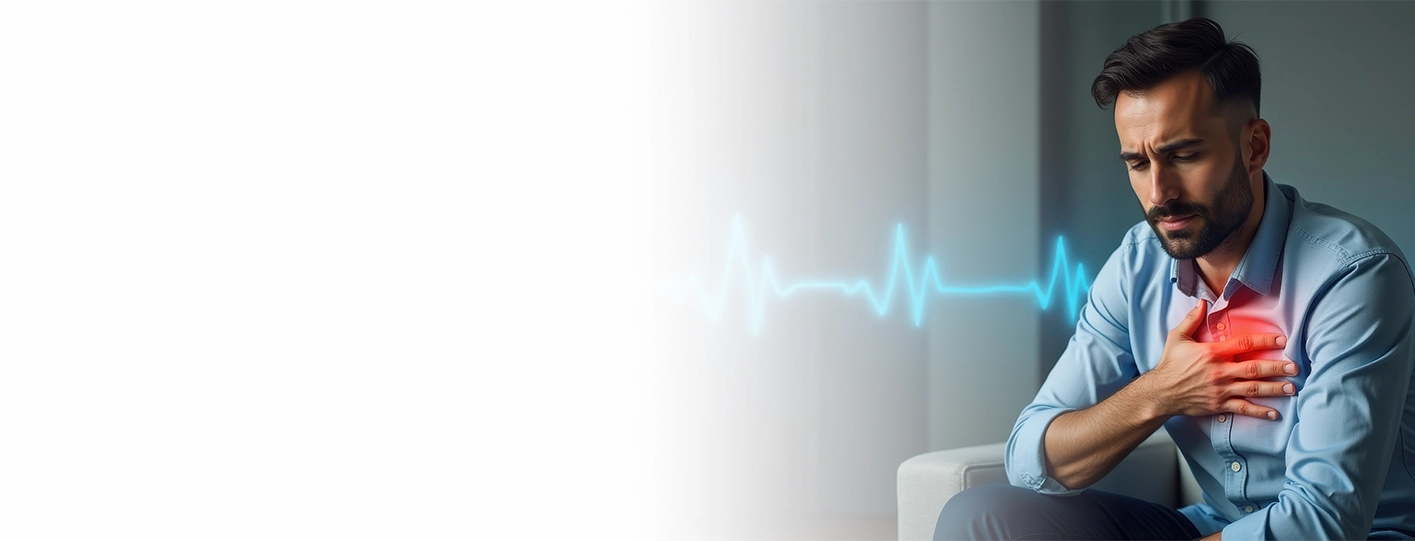
You may have seen in movies how people have sudden, intense pain and they clench their chest. That’s a little too dramatic because the pain might not always be that sharp or severe. The intensity varies from one person to another and so does the time period for which these symptoms last. These often become more noticeable during physical activity, emotional stress, cold weather, or after you take a heavy meal.
It is also important to note that chest pain is not always a sign of an underlying heart problem. There can be several other reasons for it. However, you should not dismiss any symptom without getting it assessed by a doctor, as the diagnosis can only be made by a trained expert. Seek emergency medical help if the pain is becoming worse, or if it lasts for more than a couple of minutes.
Experiencing breathlessness when you take part in vigorous physical activity is normal. But when you fall short of breath while taking part in normal day-to-day activities (like walking, climbing stairs, or doing routine household chores), it could be an indication of an underlying heart problem. Shortness of breath may be experienced along with chest discomfort, or the person might not experience any other symptom at all.
Breathlessness is a symptom that may be associated with many different conditions, including asthma, anxiety, flu, etc. If you’re wondering how it may be linked to a heart disease, the answer is simple. When your heart is not working efficiently, it can cause blood and fluids to build up in the lungs. This is what makes breathing difficult and leads to breathlessness.
Heart conditions that have been linked to shortness of breath include coronary artery disease, heart failure, valve problems, and abnormal heart rhythms. Breathlessness may also be accompanied by other symptoms like pain in the chest, fatigue, and swelling in the legs.
Our heart beats 24/7, but when the heartbeats become uncomfortably noticeable, one is said to have palpitations. You may feel as if your heart is racing, pounding, or fluttering instead of beating normally. In some cases, these are completely harmless. However, if they continue for a long time and the person also experiences chest discomfort and dizziness, emergency medical care is needed.
Any kind of disruption in the heart’s natural electrical signals can make the heart beat out of rhythm, and this is what causes palpitations. Arrhythmia is one of the leading causes of palpitations. These are abnormal heart rhythms which are known to increase the risks of stroke and heart failure in some cases.
Palpitations can also be triggered by stress, anxiety, lack of sleep, fever, dehydration, increased caffeine intake, alcohol consumption, smoking, or as a side effect of certain medicines. Whenever you’re experiencing palpitations, try to note what activity was happening, how long it lasted, and whether you experienced any other symptoms along with it. This information is very useful for your cardiologist, as it can help them decide what tests you need, which is crucial for planning the treatment.
Feeling tired and fatigued after a long, hectic day is quite natural, but when you get tired every now and then and need more rest than usual, it could be a sign that your heart is not pumping blood efficiently.
Fatigue is quite different from normal tiredness. When you’re tired, you take a rest and start feeling better, but in the case of fatigue, this does not happen. Your energy levels are low, and they remain low throughout. Some people may get exhausted while indulging in normal day-to-day activities, while others might need to take breaks frequently.
When the heart is not able to pump blood properly, the muscles and organs do not receive enough blood and enough oxygen. As such, you tend to experience weakness and tiredness.
Fatigue has been linked to conditions like coronary artery disease, heart failure, valve disease, and abnormal heart rhythm. Some of these underlying causes may be non-cardiac as well, such as old age, poor sleep, stress, depression, thyroid, etc.
Have you ever felt like the room is spinning, or your head is getting light, or your body is unsteady? All these could be linked to problems with heart rhythm, or flow of blood. You may also experience other symptoms like weakness, blurred vision and sweating. Some people might even temporarily lose consciousness. This is known as fainting.
Dizziness, lightheadedness, and fainting are signs that your brain is not receiving enough blood. One of the reasons behind this could be arrhythmia or abnormal heart rhythm, low blood pressure, problems related to the heart valves, structural heart diseases, or reduced pumping capacity of the heart.
Now, dizziness can also be due to low blood sugar, anxiety, anemia, or a side effect of certain medication. The diagnosis can only be made after proper assessment. If you are experiencing frequent episodes of dizziness or fainting, see a cardiologist immediately. Emergency medical care is also required if someone experiences fainting after chest pain.
Swelling in the feet, ankles, or legs may be linked to the buildup of fluid. This is also known as edema, and it is a sign that blood is not circulating properly. This happens when fluid starts to get collected in the tissues, especially in the lower limbs.
When the heart is not able to pump blood properly, it can start backing up in the veins. The pressure inside the blood vessels pushes this fluid into the surrounding tissues. This sign is most commonly seen in people with heart failure, and it may affect either one or both legs.
Usually, people first notice that their shoes or socks have become tight, or their legs feel heavy at the end of the day. This may not always be linked to a heart problem. It can also happen due to prolonged standing, liver disease, problems with vein infection, or a side effect of certain medication. However, if the swelling is new or is becoming worse with time, it’s important to see a doctor.
Some symptoms of heart problems in men can be a little different from those in women. Men are most likely to experience classic symptoms like chest pain that radiates toward the arms. While women may also experience the same symptoms, there are some other signs as well. According to the Harvard Health Notes, women who experience a heart attack most commonly experience difficulty in breathing, nausea, and fatigue.
While some symptoms of a heart attack may remain common in men and women, others may differ. Heart problem symptoms in females include unusual tiredness, breathlessness, nausea, vomiting, back pain, jaw pain, sleep problems, and a general feeling of being unwell.
Symptoms of heart problems may not always be dramatic, like we see on television. These can start with small changes: a little more breathlessness, tiredness, or a skipped heartbeat. Paying attention to these signs is important, and so is getting them checked on time. When something is wrong with the heart, it often gives a sign from the very beginning. It is important to recognize these and not dismiss them without proper evaluation. If you’re experiencing any symptom that you think might be linked to a heart problem, get it assessed by our experts at Artemis Cardiac Care.
Q1: What are the early signs of heart problems?
A: Early signs of heart problems include mild chest discomfort and breathlessness after physical exertion, unusual tiredness, palpitations, and dizziness.
Q2: What are the symptoms of heart problems in females?
A: Symptoms of heart problems in females include shortness of breath, nausea, fatigue, and back or jaw pain, sometimes without obvious chest pain.
Q3: Can heart problems cause shortness of breath without chest pain?
A: Yes, heart problems can cause shortness of breath without any chest pain. The symptoms may vary from one person to another.
Q4: Are palpitations always a sign of heart disease?
A: No, palpitations are not always a sign of heart disease. It could also be linked to stress, caffeine intake, anemia, or problems related to the thyroid.
Q5: Can acidity be mistaken for a heart problem?
A: Yes, acidity can be mistaken for a heart problem because the burning sensation and pain can mimic the symptoms of heart disease.
References
Medical Disclaimer: This blog is for general awareness only and is not a substitute for professional medical advice, diagnosis, or treatment. Heart symptoms can have many causes. Please consult a qualified cardiologist for any concerning symptom, and seek emergency care for severe chest pain, breathlessness, or fainting.
From Recent Advancements in Heart Care to Tips and Tricks to make your Heart Healthy Again, stay updated with reliable and informative blogs by our experts.

 WhatsApp Us (24/7)
 +91 9070902010 (24/7)


 Previous