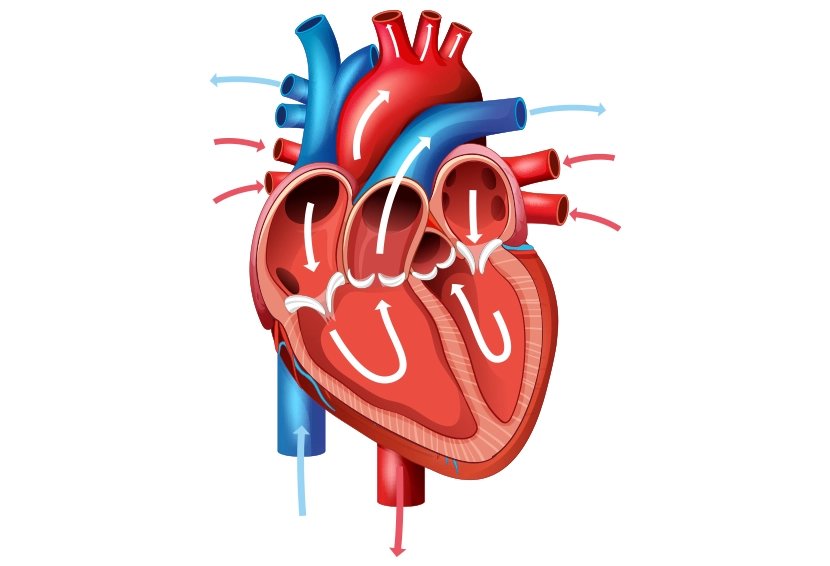
A silent heart attack occurs when blood flow to a portion of the heart is blocked, resulting in damage to that tissue. A key difference with silent heart attacks is that the person usually experiences mild or unusual symptoms or, in many cases, has no symptoms at all.
While the symptoms may not seem as serious, the damage to the heart itself is just as severe as with a traditional heart attack, which is why healthcare professionals consider them a serious public health issue.
Read Also: How To Recognize And Respond To A Heart Attack Immediately
A common reason many individuals do not report these symptoms is that many of these symptoms are also indicative of more common illnesses and include:
The symptoms of cardiac events often develop gradually and, as such, many people will continue on with their life as if nothing is wrong.
Understanding early warning signs for timely intervention is crucial.
Often described as not a true form of pain, can be a warning sign of impending heart attack. Persistent chest discomfort should never be ignored, especially when accompanied by other warning signs.
Symptoms can be any of the following:
People may describe it as:
Can be a warning sign of decreased oxygen carrying blood supply to a heart muscle, as compared with an otherwise healthy individual.
Warning signs include:
Women are particularly likely to report fatigue before a heart attack.
While not always associated with pain, it can also indicate an impending heart attack. Some patients will experience either or both shortness of breath and impaired breathing ability, in addition to other symptoms:
Symptoms may include:
Heart attack symptoms do not always stay in the chest.
Discomfort may spread to:
Many people mistake these symptoms for muscle pain or nerve-related issues.
Dizziness can occur quickly as a warning sign of the heart not pumping blood effectively.
If you experience dizziness with fatigue, sweating, or pressure in your chest, you should be evaluated by a healthcare professional.
If you start to sweat for no reason, this could signal you are having a heart attack or other cardiac event.
Cold sweating is most often found along with other subtle symptoms and should not be taken lightly.
Read Also: Cardiac Arrest vs Heart Attack: Difference, Symptoms & Emergency Treatment
Recognizing mild heart attack signs early can help reduce treatment delays and improve outcomes.
Many people think that a heart attack must hurt a lot; however, there are other warning signs that are not as severe but require medical attention quickly, such as:
These include:
Regardless of how mild the symptoms may seem, early medical evaluation can help reduce the amount of heart damage and improve the outcome after a heart attack.
Read Also: How to Stop a Heart Attack in 30 seconds
Certain groups face a greater risk of experiencing a silent heart attack.
Diabetes can affect nerves (neuropathy); thus, reducing the capability of a person to feel their pain. As a result, one may not notice heart attack symptoms as prominently as if they did not have diabetes, due to the inability to feel.
Age can play a vital factor when it comes to presenting symptoms or signs related to heart attack. As we age, reduced autonomic nerve sensitivity and diminished baroreceptor function can blunt the perception of cardiac pain, making silent heart attacks harder to detect in older adults.
Women often display different symptoms than men do during a heart attack, and they are likely to show typical symptoms associated with a heart attack without the severe chest pain. Fatigue, nausea, shortness of breath are symptoms of women having heart problems and these do not match with the severe chest pain often experienced during a heart attack.
Prolonged hypertension increases strain on the heart and accelerates arterial damage, significantly raises the risk of a heart attack, which may occur as the very first overt clinical sign of their underlying cardiovascular disease
Smoking contributes to the deterioration of blood vessels and therefore has been associated with an increased risk for heart attacks.
Read Also: First Aid in Heart Attack: What to Do and Not to Do?
Heart attack emergency signs warrant immediate medical attention for anyone, regardless of gender or age.
The signs/symptoms that require immediate attention from a health care provider (e.g., emergency services/hospital) include:
Prompt treatment may help restore blood flow to the heart and decrease the potential for sustained damage to the heart.
Read Also: Recovering After A Heart Attack: Tips For A Stronger Heart
There are various tests that will be performed by the health-care provider to determine if a patient has previously and/or currently experienced a heart attack.
Common diagnostic tools include:
The assessment is used to determine how much damage has occurred and to develop a plan for treatment.
Cardiovascular health can be improved by decreasing cardiovascular risk factors. Some of the main strategies used to decrease the cardiovascular risk factors are:
Patients who live in cities like Patna, Bikaner and other fast-growing cities should consider scheduling regular cardiovascular assessments, especially if they have one or more of the risk factors for heart disease such as diabetes, hypertension, or family history of heart disease.
.webp)
Unit Head Interventional Cardiology Department
Meet the doctorFrom Recent Advancements in Heart Care to Tips and Tricks to make your Heart Healthy Again, stay updated with reliable and informative blogs by our experts.

 WhatsApp Us (24/7)
 +91 9070902010 (24/7)


 Previous
.webp)