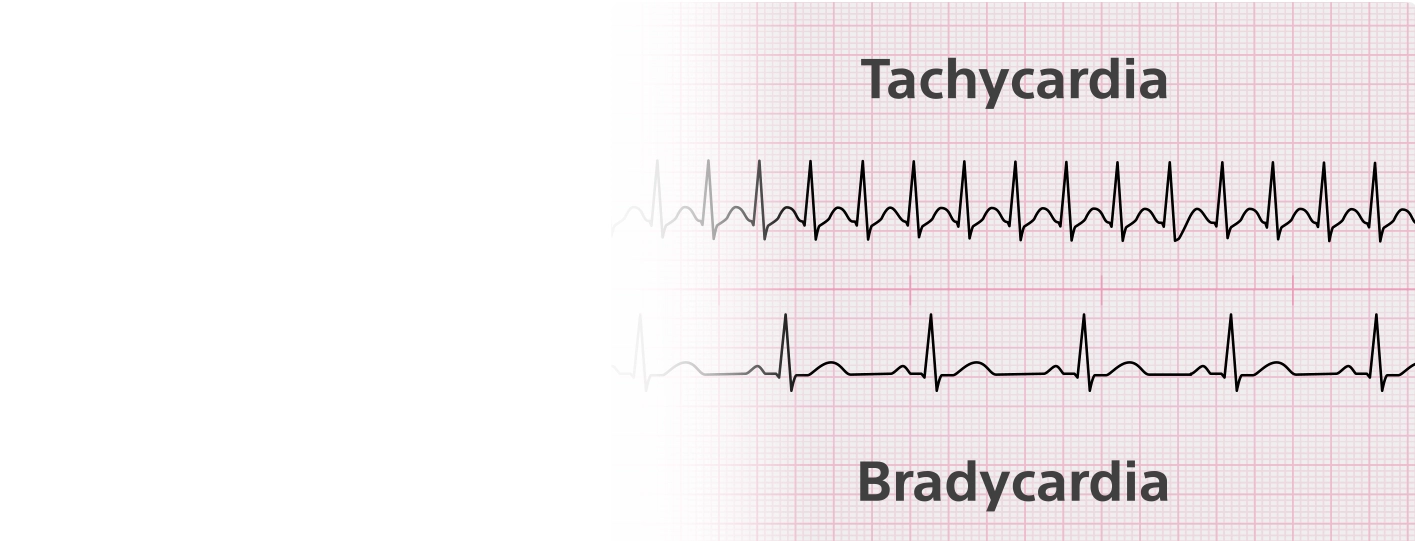
This condition occurs when your heart rate is below 60 beats per minute. In many cases, it can be perfectly normal, especially in athletes or other physically active people. However, in other cases, it can be a sign of an underlying condition.
The most common causes include:
It occurs when your heart rate is higher than 100 beats per minute. It can be triggered by stress, exercise, dehydration, and other factors. If your heart beats too quickly for an extended period of time, it may lead to several dangerous conditions, such as high blood pressure.
The main reasons why your heart may beat too quickly include:
Symptoms can differ depending on whether you have a slow or fast heart rate. Recognizing them can help you understand whether you need to see a cardiologist as soon as possible.
Slow heart rate can be asymptomatic, which means that it may not display any symptoms at all. In some cases, however, people may experience some or all of the following:
On the other hand, people with fast heart rate may report the following symptoms:
If you are experiencing chest pain, extreme shortness of breath, or fainting, you should seek emergency medical help.
In most cases, a heart rate that is too slow or too fast is diagnosed during a physical examination by a qualified cardiologist. A heart examination should also rule out other conditions that may mimic slow or fast heart rate, such as anaemia and panic attacks.
In addition, your doctor may prescribe some tests to determine the cause of your condition, including:
Doctors will determine which treatment option is most suitable for your particular case.
If your slow heart rate is asymptomatic, no treatment may be necessary. On the other hand, if it does cause symptoms, it may be treated in several ways, depending on the cause. For instance, if the condition is caused by another medical issue, such as hypothyroidism, treating that problem may be necessary. Furthermore, a pacemaker may also be surgically implanted in your heart in order to help it beat regularly.
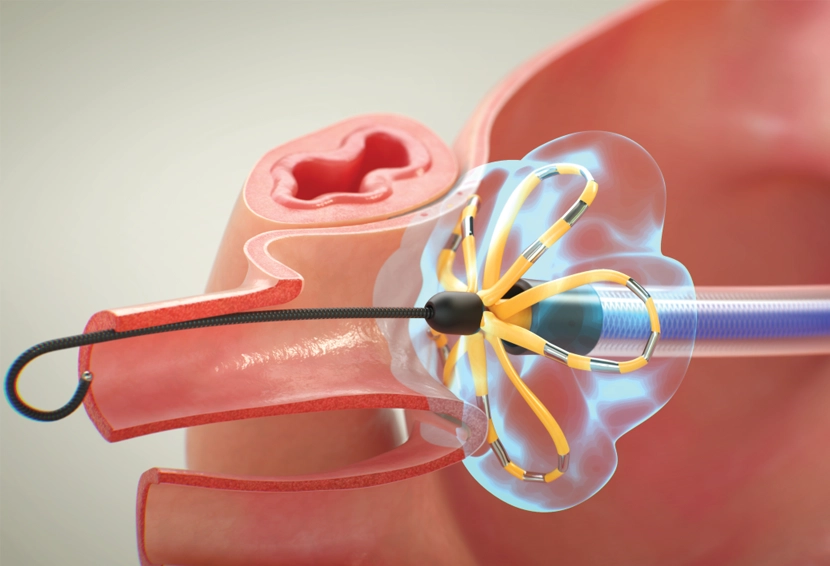
Tachycardia treatment depends on the cause and type of your condition. In some cases, it may not require treatment. However, a doctor may prescribe medication to manage your irregular heartbeat, suggest a procedure called catheter ablation, recommend implantation of a pacemaker, or advise you to make some lifestyle changes.
In general, a heart rate that is too slow or too fast can be brought under control. However, it is important to remember that each person is unique, and treatment should only be administered by a qualified professional.
The American Heart Association recommends that everyone stop smoking, limit alcohol consumption, and maintain a healthy weight in order to reduce the risk of developing heart problems. The World Health Organization recommends that adults participate in at least 150 minutes of moderate-intensity exercise per week to reduce the risk of developing heart disease.
You should make an appointment with a cardiologist if you have any of the following symptoms:
These symptoms may indicate that you have a slow or fast heart rate, and it is important to determine the underlying cause so that it can be successfully treated. In addition, early diagnosis can prevent the development of potentially life-threatening conditions, such as cardiac arrest.
Lifestyle decisions play an important role in the health of your heart. There are several steps you can take right now to keep your heart healthy, including:
If you are experiencing a constant irregular heart rate, you should visit an experienced Cardiologist in Ranchi as soon as possible.
If you are experiencing symptoms of a slow or fast heartbeat, timely medical evaluation is important. Consult an experienced cardiologist to understand the underlying cause and suitable treatment options. Early diagnosis and proper care can help manage abnormal heart rhythms and support better heart health.
Q1: Is slow heart rate always dangerous?
A: Well, in many cases, it is not. Often, it is completely normal in physically active people. However, if you feel tired, lightheaded, or faint, you should see a doctor.
Q2: Can tachycardia be cured on its own?
A: Sometimes it can be temporary, especially if it is caused by stress or exercise. However, in many cases, it can be a symptom of another condition.
Q3: What tests do you need for abnormal heart rhythms?
A: Your doctor may recommend an Electrocardiogram (ECG), Holter monitoring, an echocardiogram, blood tests, and other procedures.
Q4: Can lifestyle changes affect heart rhythm?
A: Definitely. For example, exercising regularly, eating healthy food, avoiding alcohol and cigarettes, and managing chronic diseases can all reduce your risk of developing a heart condition.
Q5: When should I visit a Cardiologist in Ranchi?
A: You should visit a Cardiologist in Ranchi if you have frequent heart palpitations, a slow or rapid heartbeat, chest discomfort, dizziness, or shortness of breath.

Consultant Cardiology Department
Meet the doctorFrom Recent Advancements in Heart Care to Tips and Tricks to make your Heart Healthy Again, stay updated with reliable and informative blogs by our experts.

 WhatsApp Us (24/7)
 +91 9070902010 (24/7)


 Previous
.webp)