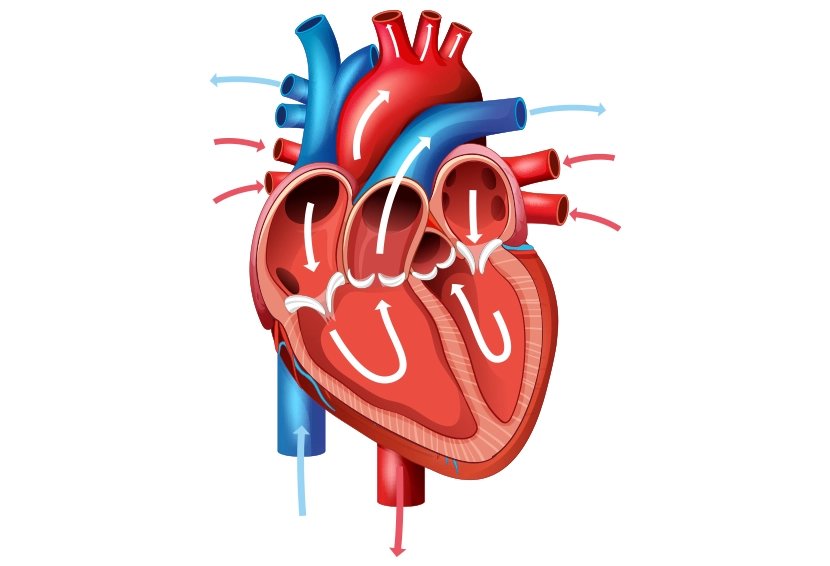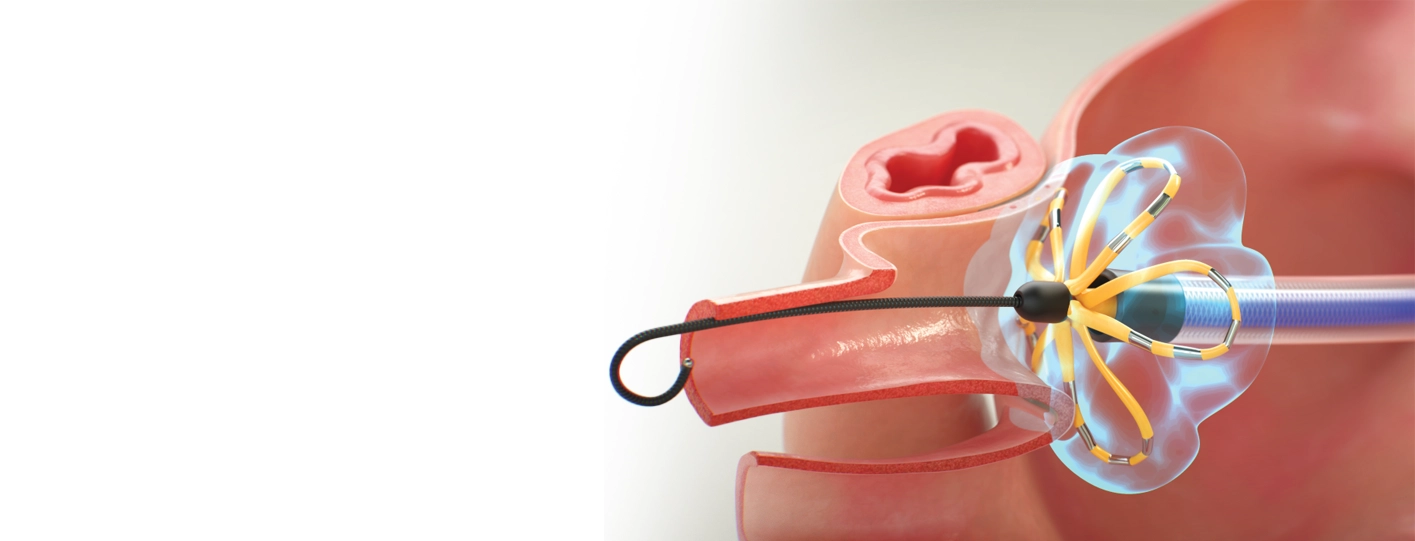
It is a specialized heart procedure performed by a cardiac electrophysiology specialist to treat an abnormal heart rhythm disorder. In this procedure, physicians utilize radiofrequency or occasionally extreme cold energy to kill heart tissues that cause irregular heartbeats.
According to the American Heart Association, this procedure has been proven effective in treating numerous heart irregularities, especially when oral medications fail to provide desirable results.
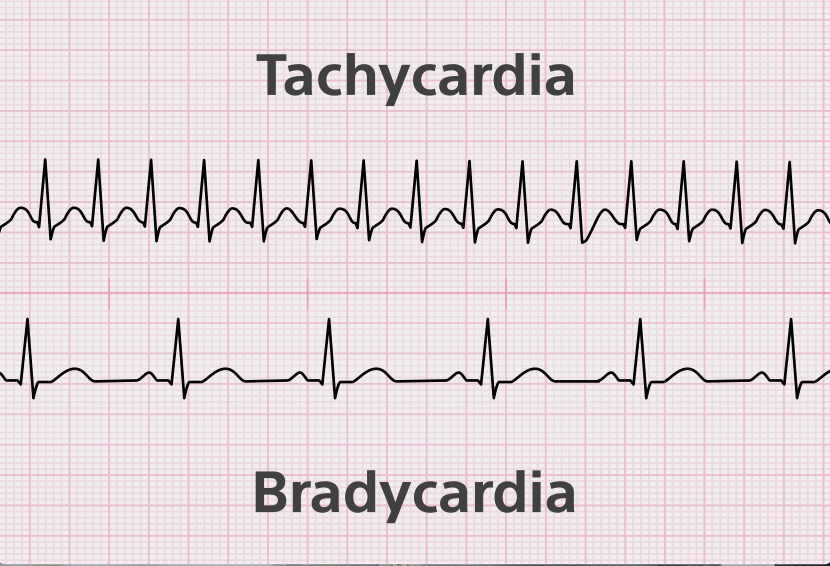
An arrhythmia is a heart rhythm disorder that occurs when the heart beats faster or slower than normal or irregularly due to the improper firing of the heart’s electrical messages.
Some of the common types of arrhythmias are:
While some irregular heartbeats may not cause serious health concerns, others can lead to various complications such as stroke and sudden cardiac arrest if not treated promptly.
A physician may recommend this procedure if you have an irregular heartbeat that is not controlled by medications. The procedure is also advised when the abnormal heart rhythm persists and begins to interfere with your regular activities. Some of the symptoms that may indicate the need for this procedure include frequent irregular heartbeats, palpitations, dizziness, fainting and shortness of breath. The doctor may also advise the ablation procedure if you are experiencing adverse side effects of the medications, or you have a particular type of atrial fibrillation or supraventricular tachycardia.
The European Society of Cardiology recommends the procedure for patients with symptomatic arrhythmia treatment after evaluating their condition thoroughly.
Several diagnostic tests such as imaging scans and heart function tests are performed before the procedure. During the ablation procedure, the cardiologist will:
The procedure may take two to four hours depending on the severity of your condition.
Electrophysiology is a medical specialty that focuses on the heart’s electrical activity. An electrophysiology study is essential in determining the precise site that triggers the irregular heartbeats so that it can be isolated during the ablation procedure.
According to the Heart Rhythm Society, the electrophysiology study enables the physicians to identify the problem area accurately and helps them provide effective treatment for various arrhythmias.
Compared to conventional treatments for irregular heartbeats such as medications, the ablation procedure has several advantages, including:
The success rate of this procedure depends on the type of arrhythmia, the severity of the condition and your general health.
| Before The Procedure | After The Procedure |
| EKG and other heart tests, blood tests, an echocardiogram, a review of the drugs you are taking, and several other assessments such as fasting on the day of the procedure. The doctor administers local anaesthetic before advancing the catheter into the heart. You may also be given sedative medication to help you relax during the procedure. | Observing you for several hours before allowing you to go back to your room or home. You should also inform your doctor if you develop chest pain, fever, swelling or discomfort at the insertion site. Most patients are allowed to go back to their daily activities right away or after spending the night in the hospital. |
Most patients can recover comfortably at home. However, it is essential to adhere to the following guidelines to ensure faster healing after the procedure:
Patients should continue to have follow-up appointments with their doctors since some of them may notice irregular heartbeat even after the procedure.
The procedure is considered safe and effective since it has been used to treat various heart problems. Like with all other medical procedures, this treatment also involves some risks and complications, including:
It is essential to speak with your doctor about these risks and any other concerns you may have before undergoing the procedure.
Are you or your loved ones experiencing constant heart palpitations, dizziness, or sudden fainting? If yes, schedule an appointment with an experienced cardiac electrophysiologist to determine the underlying cause and recommend the most appropriate treatment option for your condition. A reliable physician will conduct several tests to confirm your condition and recommend the best treatment option based on your condition and your lifestyle.
Q1: What is catheter ablation?
A: It is a non-surgical procedure used to treat abnormal heart rhythms by destroying the small heart tissues that are responsible for the irregular heartbeats.
Q2: Is catheter ablation a permanent treatment for arrhythmia?
A: It offers long-lasting treatment for various heart irregularities. However, it is not a complete permanent solution for all types of arrhythmias.
Q3: How long does it take to recover?
A: Most people recover from this procedure within a few days. Nevertheless, it is advisable to avoid strenuous activities for about a week before resuming your daily activities. Your doctor will also advise when it is safe for you to resume your regular activities depending on your condition.
Q4: Is the procedure painful?
A: The procedure is associated with minimal discomfort due to the local anaesthetic. In addition to the local anaesthetic, the doctor may also administer sedative medication to ensure that you do not feel any discomfort during the procedure.
Q5: When should I visit a cardiology hospital in Panipat for arrhythmia treatment?
A: If you are experiencing frequent heart palpitations, dizziness, sudden fainting or chest discomfort, you should visit a cardiology hospital in Panipat to get effective arrhythmia treatment for your irregular heartbeat.

Consultant Cardiologist Cardiology Department
Meet the doctorFrom Recent Advancements in Heart Care to Tips and Tricks to make your Heart Healthy Again, stay updated with reliable and informative blogs by our experts.

 WhatsApp Us (24/7)
 +91 9070902010 (24/7)


 Previous
.webp)