Gravity makes around 300 – 800 ml of blood pool within the lower limbs upon standing. A normal response to this is constriction of blood vessels and increased heart rate to maintain blood pressure and adequate blood supply to the brain. However, if the response is inappropriate, it may lead to low blood pressure when standing.
Symptoms often manifest within a few minutes of standing. These can include:
Symptoms may be asymptomatic for some patients even if they record a significant drop in blood pressure upon standing. However, recurrent faintness or dizziness when standing should not be ignored as it can indicate a potentially serious underlying condition such as cardiac disease.
There are several causes, including:
Illnesses like vomiting, diarrhea, fever, or excessive sweating can lead to postural blood pressure drop. In addition, insufficient fluid intake or loss of fluids can make its symptom worse.
There are many medications that can lead to low blood pressure. Postural blood pressure drop can be caused by some medications for high blood pressure, heart disease, and other conditions. It is significant to speak with a doctor about medications being taken before making dosage or other changes to a medication routine.
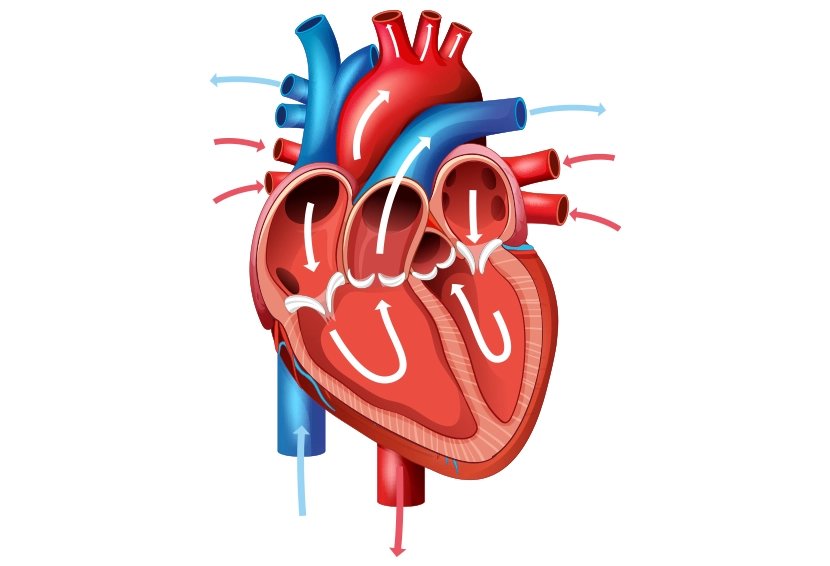
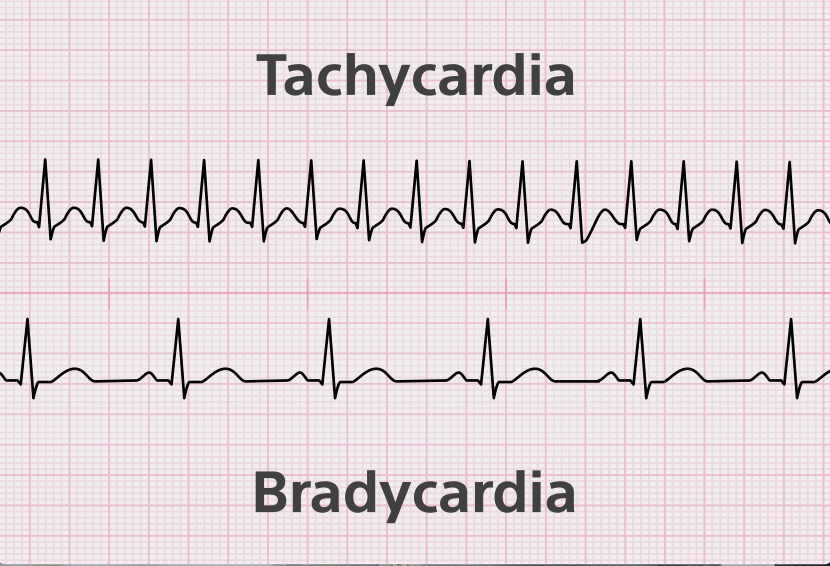
Abnormalities in the heart rate, heart function, or circulatory problems can contribute to low blood pressure when standing.
The autonomic nerves control involuntary body functions such as blood pressure. Hypotension can develop as a consequence of certain neurological conditions.
Diabetes and other endocrine/metabolic abnormalities can cause low blood pressure when standing
A doctor will analyse the patient’s symptoms, medication, and medical history to determine whether postural drop in blood pressure is present. The test typically involves measuring a patient’s blood pressure after they have lied down for a while and then gotten up. If the systolic drops by 20 mmHg or more or the diastolic drops by 10 mmHg or more within 3 minutes of standing, that confirms the diagnosis.
A head-up tilt-table test may be considered in some patients where low blood pressure when standing up is strongly suspected, but it is not detected on standard tests. Doctors may do additional tests to rule out other causes to establish the root cause of a patient. Patients experiencing repeated dizziness, fainting or palpitations may benefit from assessment at a cardiology hospital in Ludhiana to identify possible cardiovascular causes.
Treatment usually aims to manage symptoms and address any underlying causes that might be contributing to the condition. It is generally treated with non-pharmacologic measures:
The addition of more salt to the diet is sometimes advocated in the management. However, it is important to speak to a doctor about salt and fluid intake because it is not regularly recommended for everyone. Patients should be aware that salt restriction is frequently necessary in those with heart disease or renal disease in addition to this condition. The AHA highlights the importance of non-pharmacologic approaches in the treatment plan.
Lying down or standing up can sometimes cause dizziness and a drop in blood pressure. On the other hand, recurrent dizziness or fainting should be evaluated by a medical professional. The following signs and symptoms should be brought to the attention of a medical practitioner:
It is a medical emergency if it is associated with chest pain, sudden severe breathlessness, or other abrupt dangerous symptoms. If occurs repeatedly despite measures to prevent it, a doctor should be contacted in order to rule out other conditions, such as heart disease. A cardiology hospital in Ludhiana can help assess whether the cause of low blood pressure is cardiac or non-cardiac in origin.
Both are not the same thing. A drop in blood pressure upon standing is the defining feature of orthostatic hypotension. The definition of ordinary low blood pressure is not as precise, but it usually refers to blood pressure that is lower than normal for a given individual. Postural blood pressure drops symptoms and signs may be present in individuals with ordinary low blood pressure, but they are not always.
A person suffering from ordinary low blood pressure may feel fine and experience no symptoms at all. On the other hand, postural hypotension may occur even when a person’s ordinary low blood pressure is not particularly low. Some people have low BP when standing, which leads to significant drops in blood pressure when they stand, even though their regular blood pressure is in the normal range. Therefore, both are related but distinct conditions.
Q1: Can blood pressure drop when standing be caused by dehydration?
A: Yes, it can be caused by dehydration. Dehydration can contribute to lower blood pressure when standing, especially if fluids are limited, vomiting, or diarrhea are occurring, or excessive sweating happens. Treatment will also include restoring fluid balance.
Q2: Can postural drop in blood pressure result in dizziness?
A: Yes, it can result in dizziness, but it is not the sole symptom. A person may have a postural drop in blood pressure and not feel dizzy at all, while someone else could feel weak, lightheaded, or even faint after standing.
Q3: Can drugs cause postural hypotension?
A: Drugs can cause postural hypotension, and the underlying cause is often linked to the medication a person is taking. It is essential to speak with a doctor about any medications being taken before making any adjustments to a drug regimen.
Q4: When is dizziness after standing a concern?
A: Orthostatic hypotension is a concern when there is recurrent dizziness or fainting associated with low blood pressure. If a patient presents with other alarming signs or symptoms, such as chest discomfort or extreme shortness of breath, then it is best to get the condition evaluated.

Senior Consultant Cardiology Department
Meet the doctorFrom Recent Advancements in Heart Care to Tips and Tricks to make your Heart Healthy Again, stay updated with reliable and informative blogs by our experts.

 WhatsApp Us (24/7)
 +91 9070902010 (24/7)


 Previous
.webp)