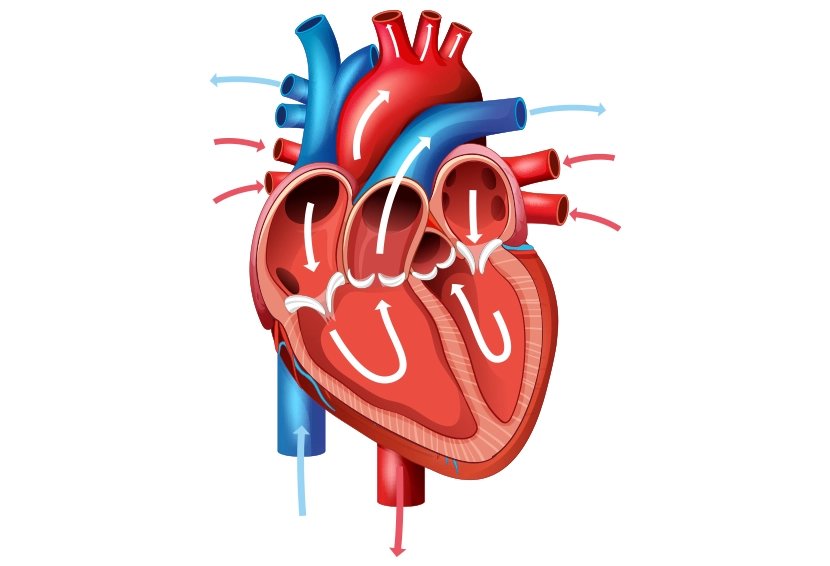
Your heart works 24*7 hours to keep your blood circulation running for all the activities you perform in your daily routine. But do you know who protects your heart? It's the pericardium, the protective sac around the heart.
Here is the major function of the pericardium:
- Anchor your heart
- Pericardial fluid lubricates the heart’s movements
- Protect it from infection, and prevent the heart from overfilling with blood
It simply means it acts as a protective, fluid-filled sac for your heart.
But what if something damages this pericardial layer? Imagine this situation like driving a car without shock absorbers; every bump feels painful and damaging.
Similarly, when the pericardium gets affected, the heart will lose its protective support, leading to further discomfort and complications. This is what happens in pericardial diseases.
What are Pericardial Diseases?
These are the conditions that affect the pericardium, the protective sac around your heart. They involve causing inflammation (pericarditis), fluid buildup (pericardial effusion), thickening, or scarring, leading to impaired cardiac or heart function.
Types of Pericardial Diseases
Here are the common types:
1. Pericarditis
It is a type of inflammation that affects the sac around the heart.
Symptoms may include:
- Chest pain
- Pain may radiate to your back, neck, or left shoulder
- Dry cough
- Irregular heartbeat (palpitations)
- Fatigue and fever
- Swelling in the legs, feet, and ankles (in severe cases)
Best Cardiologist in Ranchi says there are infectious and non-infectious causes:
- Infectious causes may include viruses, such as influenza, COVID-19, adenoviruses, and HIV; bacteria, like tuberculosis; etc.
- Non-infectious causes may include surgery or injury to the chest, Severe hypothyroidism, or a complication of untreated kidney failure, etc.
2. Pericardial Effusion
It is a condition that involves fluid accumulating in the pericardial space.
Symptoms may include:
- Shortness of breath
- Chest pressure or pain
- Fast heartbeat
- Heart palpitations
- Lightheadedness
- Fainting
- Fatigue
- Hiccups
- Anxiety, confusion
- Other behavioral changes
- Coughing or hoarseness
- Trouble swallowing
The potential causes of pericardial effusion may include:
- Viral or bacterial infections, including human immunodeficiency virus (HIV) and tuberculosis
- Tumors in the heart
- Inflammatory disorders
- Hypothyroidism (insufficient thyroid hormone)
- Injuries to the chest
- Heart valve disease
- It can happen after heart surgery or radiation therapy
3. Cardiac Tamponade
It is a medical emergency that takes place when abnormal amounts of blood or other fluid build up in the pericardial sac, compressing the heart.
Symptoms may include:
- Sharp pain in the chest, which may radiate to other parts such as the arm, back, neck, or shoulder
- Trouble breathing
- Rapid breathing
- Fainting, or dizziness
- Changes in skin color, especially pale, gray, or blue-tinted skin.
- Heart palpitations
- Fast pulse
- Swelling in the abdomen or legs
- Confused or agitated mental status
The potential causes of cardiac tamponade may include:
- Fall or a car crash
- Penetrating trauma, such as a stab wound from a knife
- Aortic dissection
- Advanced cancer
- Heart attack
- Heart or kidney failure
- Hypothyroidism
- Tuberculosis
- Inflammation of the pericardium
- Infection of the pericardium
- Chronic immune diseases such as lupus and rheumatoid arthritis.
- Heart cancer
4. Constrictive Pericarditis
It is a condition where the pericardium becomes stiffer and thicker than normal. This can affect the heart's pumping ability, potentially leading to heart failure.
Symptoms may include:
- Shortness of breath
- Pain in the chest
- Fatigue
- Dizziness
- Swelling in the abdomen and lower legs because of fluid buildup.
- Muscle mass loss
- Loss of appetite
- Feeling full even when eating very little
The potential causes of constrictive pericarditis may include:
- Bacterial infections, especially tuberculosis
- Blood vessel issues that are closest to the heart
- Injuries to the chest
- Cancer of the pericardium
- Immune system conditions
How to Prevent Pericardial Diseases
Pericardial diseases cannot always be fully prevented. However, you can adopt the following tips to avoid risk.
- Practice good hygiene
- Get recommended vaccinations (e.g., flu, COVID-19, pneumococcal)
- Control autoimmune disorders, kidney disease, cancer, or uremia with the help of a doctor’s advice
- Manage stress
- Avoid smoking and alcohol
- Protect your chest from trauma during activities
Pericardial Diseases Treatment
The treatment of pericarditis and other conditions depends on the type and severity of the condition and other individual factors.
The main aim of treatment is to reduce inflammation and pain.
- NSAIDs and other prescribed medicines
- Procedures for fluid buildup, such as pericardiocentesis and pericardial window
- Surgical treatments like pericardiectomy for chronic and severe cases
- Lifestyle modifications
- Rest
- Long-term monitoring
Best Pericardial Diseases Hospital Near Me in Ranchi | Artemis Cardiac Care
Searching for the best treatment for conditions that affect the pericardium?
Contact Artemis Cardiac Care, backed by advanced diagnostic technologies for accurate diagnosis of heart pericardial diseases and cardiologists who focus on a patient-centric approach.
Treatment Options Available:
Call us at +91 9070902010 (24/7).
FAQs
Q1: Can I work with pericarditis?
A: Yes, you can work; however, the best cardiologists, like those in Artemis Cardiac Care, Ranchi, suggest avoiding strenuous activity and resting until inflammation subsides.
Q2: What are the symptoms of pericardial disease?
A: Sharp chest pain that worsens with deep breaths, coughing, or lying down. Other symptoms are fatigue, fever, potentially swelling in the legs/abdomen, and a fast heartbeat.
Q3: How to diagnose pericardial disease?
A: Your doctor may recommend comprehensive tests like medical history and physical examination, electrocardiogram (ECG/EKG), blood tests (ESR, CRP), echocardiogram (Echo), chest X-ray, cardiac MRI (CMR), and Cardiac CT.
Written and Verified by:
Dr. Awanindra Kumar Singh
Years of Experience : 10 Years
Consultant Cardiology Department
Meet the doctor




 WhatsApp Us (24/7)
 +91 9070902010 (24/7)


 Previous
.webp)