Causes, Symptoms, Diagnosis & Treatment.webp)
There are numerous causes of hypotension, ranging from mild and short-term conditions to severe and chronic. Some of the most common causes of hypotension include:
The appropriate treatment for hypotension is determined by the cause.
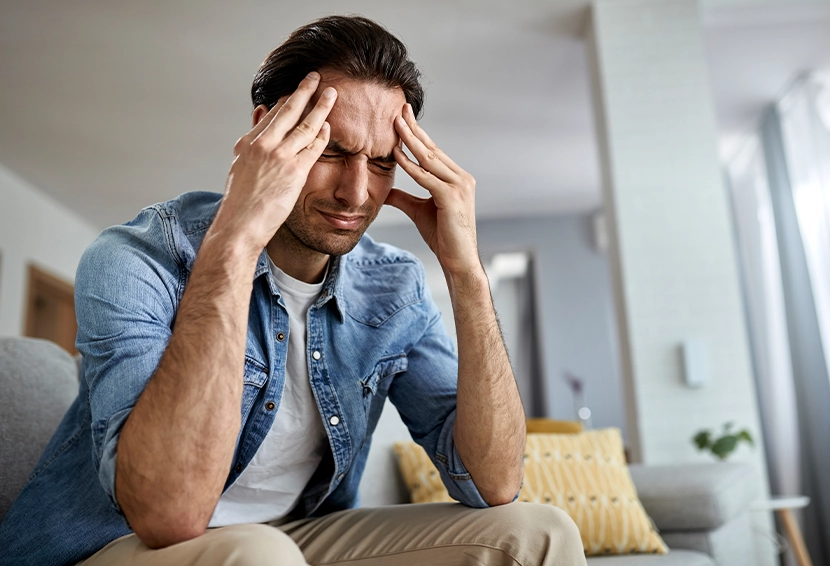
Most people who experience hypotension do not always show symptoms. However, if the pressure drops dramatically and the level of blood flowing down the arteries decreases, there may be noticeable signs, including:
The person should seek immediate medical attention after experiencing sudden severe symptoms of hypotension, especially if confused, chest pain occurs, or loss of consciousness.
The diagnosis of hypotension requires checking blood pressure and the reason why it might be low. A doctor may recommend that a patient take several tests to rule out other conditions and establish the severity of the symptoms. Some of the diagnostic procedures that a doctor may recommend include:
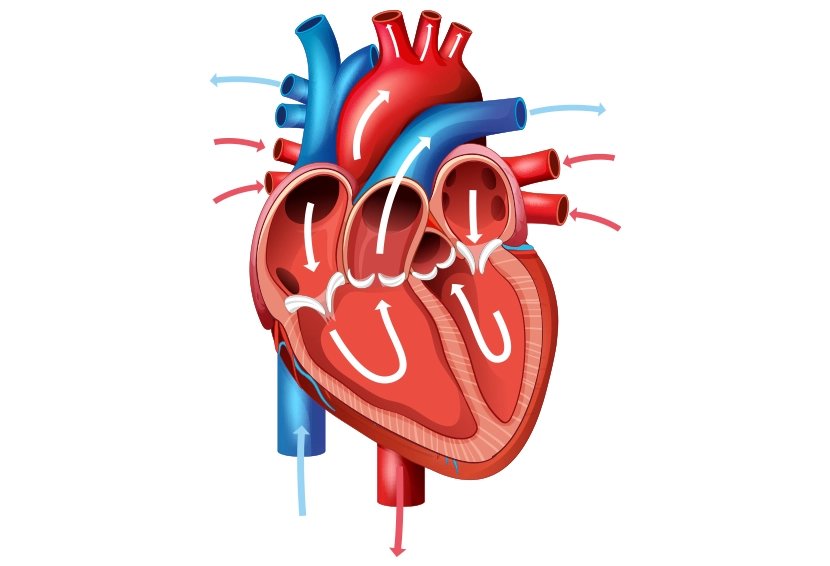
A specialist cardiologist in Patna may recommend a more detailed heart scan if the cause of Hypotension is suspected to be heart-related.
The occasional occurrence of low blood pressure with no symptoms is generally not dangerous. However, the situation becomes worrisome when such signs begin affecting one’s daily life.
It is time to contact the best cardiologist if:
The sooner a person seeks hypotension treatment, the better. Hypotension symptoms can be an indicator of various other conditions including heart diseases.
Generally, the treatment of hypotension focuses on addressing the underlying problem. It is worth noting that increasing blood pressure is not always the appropriate approach to managing low pressure. Common treatments for hypotension include:
The National Heart, Lung, and Blood Institute emphasizes that treatment should focus on finding and managing the condition that leads to Hypotension rather than just treating the low pressure.
It may not be possible to prevent all types of hypotension. However, there is a lot one can do to reduce the risk of developing specific conditions that might result in low blood pressure. The World Health Organization recommends that adults perform at least 150 minutes of moderate-intensity exercise every week to maintain heart health. In addition to exercising, it is crucial to maintain a healthy diet and stay well-hydrated. Moreover, it is necessary to take care of other illnesses like diabetes and thyroid disorders.
Most cases of low blood pressure can be managed with the following lifestyle changes:
Lifestyle changes should always be made in consultation with a medical professional. This is even more important for people with kidney disease or heart problems.
Ignoring chronic hypotension may lead to an undiagnosed heart disorder, valve malfunction, arrhythmia, anaemia, or internal bleeding. The sooner the condition is diagnosed, the better it is for managing it and treating any underlying conditions. It is always advisable to consult a cardiologist in Patna with any concerns over heart palpitations, low blood pressure, and other conditions related to the circulatory system.
The cardiologist will then help to develop a suitable low blood pressure treatment depending on an individual’s needs. It is crucial to take Hypotension symptoms seriously, see a cardiologist in Patna, and get the required low blood pressure treatment as soon as possible.
If you are experiencing unexplained dizziness, loss of consciousness, extreme fatigue, or other strange symptoms, it is time to visit the best cardiologist in Patna. With years of experience and the right diagnostic techniques, an expert can help determine the underlying cause of your condition and help you develop the appropriate treatment plan.
Q1: What is considered low blood pressure?
A: Low blood pressure or hypotension, is a condition where blood pressure readings are below the generally accepted normal value of 90/60 mmHg. Treatment for low blood pressure generally depends on symptoms and the underlying cause.
Q2: Can low blood pressure be dangerous?
A: Yes, although having low blood pressure can be perfectly normal for some people, if it causes dizziness and fainting, it can lead to serious consequences as a person may fall and injure themselves.
Q3: What are the most common symptoms of hypotension?
A: The common hypotension symptoms include feeling lightheaded, blurred vision, weakness, loss of consciousness or vision, nausea or vomiting, and difficulty focusing. If these symptoms persist or are severe, it is time to consult the best cardiologist.
Q4: When should I consult a Cardiologist in Patna?
A: Consulting a cardiologist in Patna is important in cases of recurring fainting, dizziness, chest discomfort or palpitations, or a history of heart disease. Hypotension symptoms should also be discussed to rule out the condition.
Q5: Is hypotension treatment different for every patient?
A: Yes, the patient’s age, symptoms, overall health, and the severity of the condition are some of the factors that affect an individual’s hypotension treatment. A suitable treatment program can only be designed by the best cardiologist in Patna.
.webp)
Unit Head Interventional Cardiology Department
Meet the doctorFrom Recent Advancements in Heart Care to Tips and Tricks to make your Heart Healthy Again, stay updated with reliable and informative blogs by our experts.

 WhatsApp Us (24/7)
 +91 9070902010 (24/7)


 Previous
.webp)