.webp)
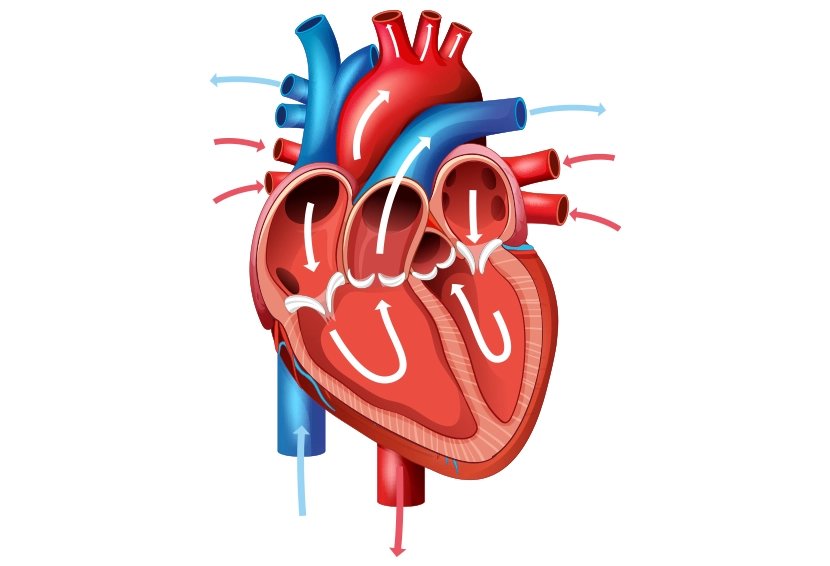
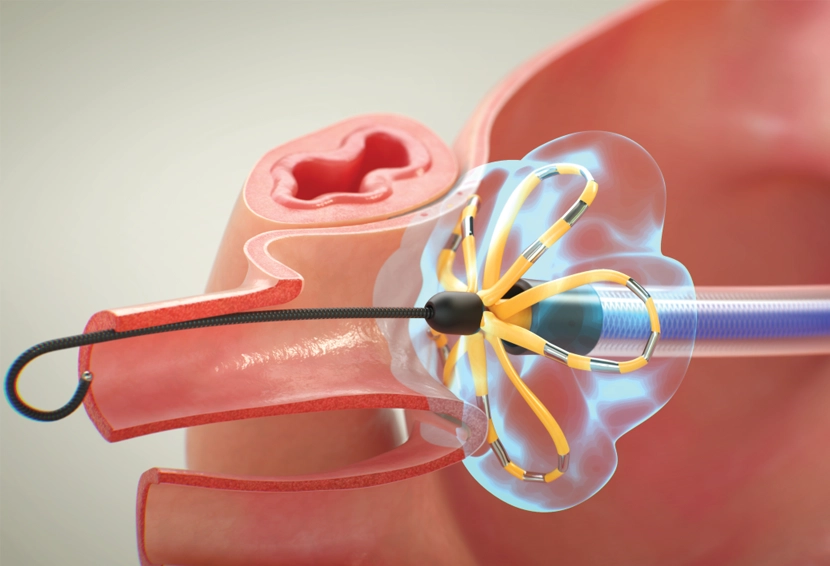
A pacemaker is a small battery-powered device implanted under the skin near the chest to regulate abnormal heart rhythms. It sends gentle electrical signals to the heart whenever the heartbeat becomes too slow or irregular.
Think of it like a traffic controller for your heart.
Normally, your heart has its own electrical wiring system that tells it when to beat. But if those signals become delayed, weak, or blocked, the heart may not pump enough blood to the body. A pacemaker steps in and restores rhythm automatically.
Main Components of a Pacemaker
| Component | What It Does |
| Pulse Generator | Contains the battery and computer system |
| Leads (Wires) | Carry electrical impulses to the heart |
| Electrodes | Touch the heart muscle and deliver signals |
Modern pacemakers are smart devices. They only work when needed and can even adjust your heartbeat during walking or exercise.
Not everyone with heart palpitations needs a pacemaker. These devices are mainly used when the heart beats dangerously slow or when electrical signals are blocked.
| Symptom | Why It Happens |
| Constant fatigue | Reduced blood flow due to slow heartbeat |
| Dizziness or lightheadedness | Brain receives less oxygen-rich blood |
| Fainting episodes | Sudden drop in heart rate |
| Breathlessness | Heart cannot pump efficiently |
| Chest discomfort | Irregular electrical activity |
| Slow pulse | Electrical conduction problem |
If these symptoms happen repeatedly, cardiologists usually recommend tests like ECG, Holter monitoring, echocardiography, or electrophysiology studies.
In cities like Panipat, awareness around heart rhythm disorders has improved significantly in recent years, helping patients seek treatment earlier instead of ignoring symptoms for months.
Pacemaker technology has evolved rapidly. Today’s devices are smaller, safer, and more advanced than older models.
| Type | Best For |
| Single-Chamber Pacemaker | One heart chamber needs pacing |
| Dual-Chamber Pacemaker | Coordinates upper and lower chambers |
| Biventricular Pacemaker (CRT) | Heart failure patients |
| Leadless Pacemaker | Minimally invasive option without wires |
Leadless pacemakers are becoming increasingly popular in 2026 because they reduce lead-related complications and involve smaller incisions.
However, not every patient qualifies for them. The choice depends on age, rhythm disorder, heart structure, and overall health condition.
One of the biggest fears patients have is:
“Is pacemaker surgery dangerous?”
In reality, pacemaker implantation is considered a routine cardiac procedure today. Most patients remain awake during the process and go home within 24–48 hours.
Here’s what usually happens.
Before implantation, doctors perform several tests to confirm whether a pacemaker is necessary.
These may include:
Your medications are also reviewed carefully, especially blood thinners or diabetes medicines.
The chest area — usually below the left collarbone — is cleaned and numbed with local anaesthesia.
A small incision is made to create a pocket under the skin where the pacemaker generator will sit.
Most patients feel pressure, not pain.
Using X-ray guidance, thin insulated wires are passed through a vein into the heart chambers.
This part is similar to threading electrical wiring through a wall carefully without damaging the structure.
The doctor tests the leads to ensure they sense and pace correctly.
The leads are connected to the pacemaker generator, and the device is programmed according to your heart’s needs.
Modern pacemakers in 2026 can:
The incision is closed using stitches or surgical glue.
After monitoring for several hours or overnight, many patients can return home the next day.
Recovery after pacemaker implantation is usually faster than people expect.
Most patients resume basic activities within a few days.
However, complete internal healing takes several weeks.
| Recovery Stage | Typical Duration |
| Hospital Stay | 1–2 days |
| Mild Pain or Swelling | Few days |
| Return to Desk Work | 1–2 weeks |
| Full Arm Movement | 4–6 weeks |
| Heavy Physical Activity | After doctor approval |
For the first few weeks, avoid:
The leads inside the heart need time to settle properly.
Every medical procedure carries some risk, but pacemaker implantation has a high success rate globally.
| Complication | Explanation |
| Infection | Around the incision or device pocket |
| Bleeding or bruising | More common with blood thinners |
| Lead displacement | Wire shifts from original position |
| Pneumothorax | Small air leak near lung |
| Device malfunction | Rare with modern devices |
The good news is that hospitals in Panipat and nearby NCR regions now follow improved infection-control and imaging protocols, reducing complication rates significantly compared to older years.
One misconception people still have is:
“Life becomes restricted after a pacemaker.”
Actually, most people feel better after implantation because symptoms like fatigue and dizziness improve dramatically.
You can usually:
| Precaution | Why It Matters |
| Keep mobile phones away from chest | Avoid magnetic interference |
| Carry pacemaker ID card | Important during emergencies |
| Inform dentists and doctors | Some procedures affect pacemakers |
| Avoid strong industrial magnets | Can interfere with device signals |
Modern pacemakers are heavily shielded, so normal household appliances like TVs, microwaves, and laptops are generally safe.
Pacemakers require regular follow-up visits.
Most modern pacemaker batteries last:
Replacing the battery is usually simpler than the first implantation procedure.
Many hospitals now also offer remote pacemaker monitoring, reducing unnecessary clinic visits.
Even after successful implantation, some warning signs should never be ignored.
Quick action can prevent serious complications.
Healthcare infrastructure around Panipat has evolved rapidly in recent years.
Patients today have access to:
Many families earlier had to travel to Delhi for rhythm disorder treatment. Now, several advanced cardiac services are becoming more accessible locally or nearby within NCR.
This means:
A pacemaker doesn’t replace your heart — it supports it quietly in the background, like a dependable backup generator during a power cut.
For many patients, implantation means:
If you or someone in your family is experiencing repeated fatigue, dizziness, fainting, or unexplained slow heartbeat, don’t ignore the signs. Early evaluation can prevent serious complications later.
And in 2026, with better technology, safer procedures, and improved cardiac care around Panipat, pacemaker implantation has become more precise, accessible, and patient-friendly than ever before.
Here are the 6 tips:
Artemis Ravindra Heart Centre combines advanced cardiac technology with experienced cardiologists and patient-focused care. From accurate diagnosis to safe pacemaker implantation and long-term follow-up, the team ensures ethical, transparent, and personalized treatment. With modern facilities and compassionate specialists, the centre is committed to delivering trusted cardiac care and better recovery outcomes for patients in and around Panipat.
Contact Us:
+91 9070902010
info@artemiscardiac.com
Find the Best Cardiologist in Panipat
Dr. Aman Arora is a skilled cardiologist at Artemis Ravindra Heart Centre, Panipat, known for patient-focused and evidence-based cardiac care. With expertise in hypertension, heart failure, and coronary artery disease, he is committed to accurate diagnosis, compassionate treatment, and long-term heart health management.

Consultant Cardiologist Cardiology Department
Meet the doctorFrom Recent Advancements in Heart Care to Tips and Tricks to make your Heart Healthy Again, stay updated with reliable and informative blogs by our experts.

 WhatsApp Us (24/7)
 +91 9070902010 (24/7)


 Previous
.webp)