The normal resting heart rate for most healthy adults is around 60 to 100 beats per minute. For people who tend to be physically active, like athletes or sportspersons, the resting heart rate can be a little lower, around 40 to 60 beats per minute, because their heart tends to work more efficiently.
If the resting heart rate of a person is above 100 bpm, the condition is known as tachycardia. If you want to calculate your resting heart rate, sit quietly for some time to make sure you are completely relaxed and then do it.
Don’t take the reading after indulging in physical activity, climbing stairs, or drinking tea or coffee, as all these can temporarily increase your heart rate.
Rapid heartbeat at rest can be caused by various factors, which are broadly categorized into three groups. These are:
A fast heartbeat while resting can be temporarily triggered in response to simple everyday situations like stress, anxiety, pain, fever, or infections. Some people may also notice it after drinking too much caffeine (tea, coffee, and energy drinks) or alcohol. Other factors include dehydration, side effects of certain medication, especially those containing decongestants, lack of sleep, and heavy meals.
Rapid heartbeat at rest may not necessarily be linked to an underlying heart condition. Anemia, for example, can accelerate your heartbeats as well. This is because it reduces the amount of oxygen present in the blood, and as such, the heart has to work harder to meet the body’s needs. Another known cause is thyroid. Secretion of excess thyroid hormone can spike up the resting heart rate, and it could also lead to anxiety, nervousness, and unexplained weight loss. Other known factors are low blood pressure, infections, and dehydration.
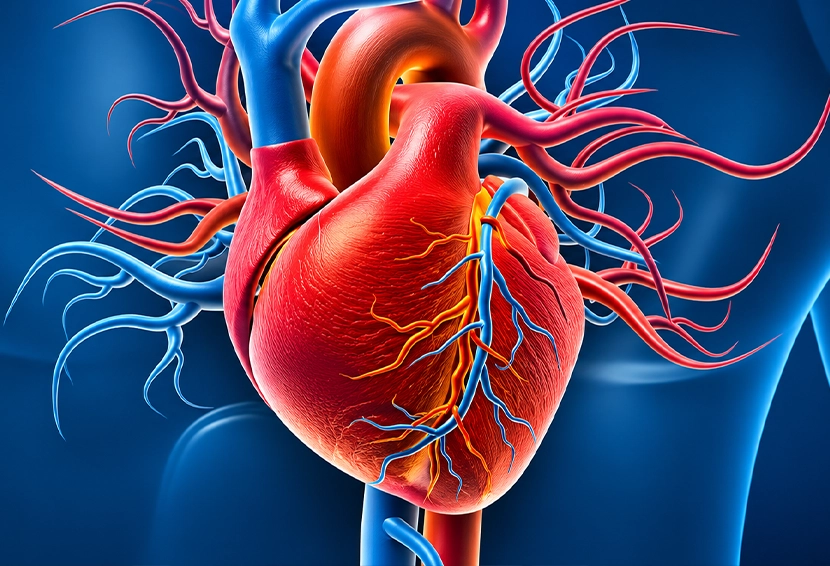
In some cases, the rapid heartbeat could be linked to a problem with the heart itself. For example, heart rhythm disorders like supraventricular tachycardia or atrial fibrillation can make your heart beat faster even at rest. Other conditions include heart failure, coronary artery disease, and problems with heart muscles. If this happens too frequently, proper medical assistance is required.
Yes, anxiety can cause a rapid heartbeat at rest. If you’re wondering why this happens, the explanation is quite interesting. When you’re anxious or worried, your body’s natural fight-or-flight response gets triggered. Your body starts releasing stress hormones like adrenaline to prepare itself for the perceived threat. As a result of this, your heartbeat and breathing become faster. Sometimes the blood pressure of a person might also temporarily shoot up.
Now, this can become a cause of concern when it happens too frequently because it creates a cycle. Every time you’re anxious or stressed, your heart starts to race, and you experience difficulty in breathing. Some people may also experience sweating, trembling, dizziness, or a feeling of uneasiness.
Rapid heartbeat due to anxiety is not very common, and you should not ignore it. If you notice your heart racing for no reason, book an appointment with a cardiologist and get yourself evaluated.
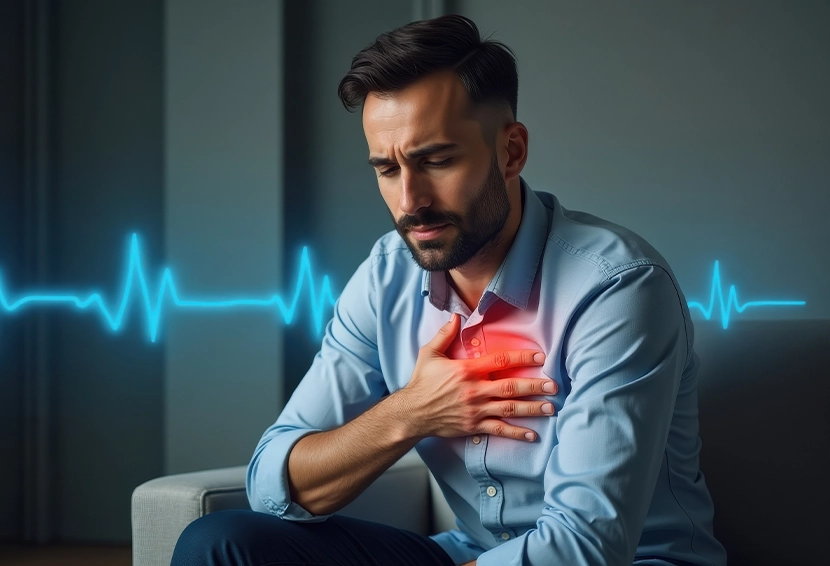
Symptoms associated with a rapid heartbeat include:
Fast heartbeat is a cause for concern:
In such cases, it is advisable to seek immediate medical assistance.
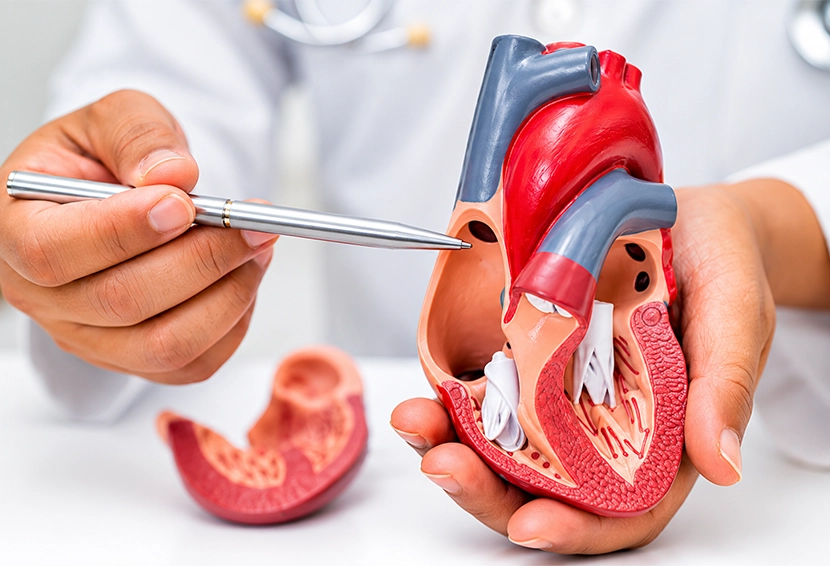
To find the underlying cause of a rapid heartbeat, doctors may ask a few questions related to your symptoms and medical history. After this, a physical examination is conducted, during which doctors check your pulse rate and blood pressure.
ECG may be done to figure out if something is wrong with the heart’s electrical activity. In case doctors suspect that the rapid heartbeat is caused by some other medical condition, they may recommend blood tests to assess thyroid function or to check the balance of salts and minerals in the body.
If the symptoms keep coming and going, you might be required to wear a Holter monitor for 24 to 48 hours. This helps to record the electrical activity of the heart over a stretched period of time.
If the rapid heartbeat is caused by temporary triggers like lifestyle factors, diet, or caffeine intake, the best way to settle it is by making healthy dietary modifications. Drink enough water and avoid caffeine and energy drinks. Make sure you’re getting enough sleep, and try to manage stress with meditation and counseling. While all these can help to make a positive impact, they do not replace medical treatment. Hence, it is advisable to go for proper evaluation and assessment.
A rapid heart rate while resting could be caused by temporary factors like stress, caffeine intake, and dehydration. Sometimes it could also be triggered by an underlying medical condition, which may or may not be linked to the heart. No episode of rapid heart rate should be ignored, especially if you do not know the underlying cause. It is always advisable to seek proper medical care to understand why you are experiencing it and how it can be managed. If you have been experiencing the problem lately and want to consult a cardiologist in Bikaner, get in touch with our experts at Artemis Cardiac Care.
There are several factors that can make your heart beat fast even while you are resting. These include stress, anxiety, dehydration, caffeine, poor sleep, fever, and side effects of certain medicines. Sometimes it could also be linked to an underlying medical condition, such as thyroid or anemia.
A resting heart rate of more than 100 beats per minute is considered to be too high at rest. This condition is known as tachycardia.
No, a fast heartbeat is not always linked to a heart problem. Sometimes it could also be linked to stress, fever, dehydration, or use of certain medication.
Yes, anxiety can make your heart beat faster, even at rest. This is because it sends your body into fight-or-flight mode, due to which various stress hormones, including adrenaline, are released. As this happens, the heartbeat naturally becomes faster.
A fast heartbeat should be treated as an emergency if the person is experiencing chest pain, breathlessness, fainting, or loss of consciousness, as all these could be an indication of a serious underlying medical condition.
References
Medical Disclaimer: This blog is for general awareness only and is not a substitute for professional medical advice, diagnosis, or treatment. A fast heartbeat can have many causes. Please consult a qualified cardiologist for recurring or unexplained episodes, and seek emergency care for chest pain, severe breathlessness, or fainting.
From Recent Advancements in Heart Care to Tips and Tricks to make your Heart Healthy Again, stay updated with reliable and informative blogs by our experts.

 WhatsApp Us (24/7)
 +91 9070902010 (24/7)


 Previous