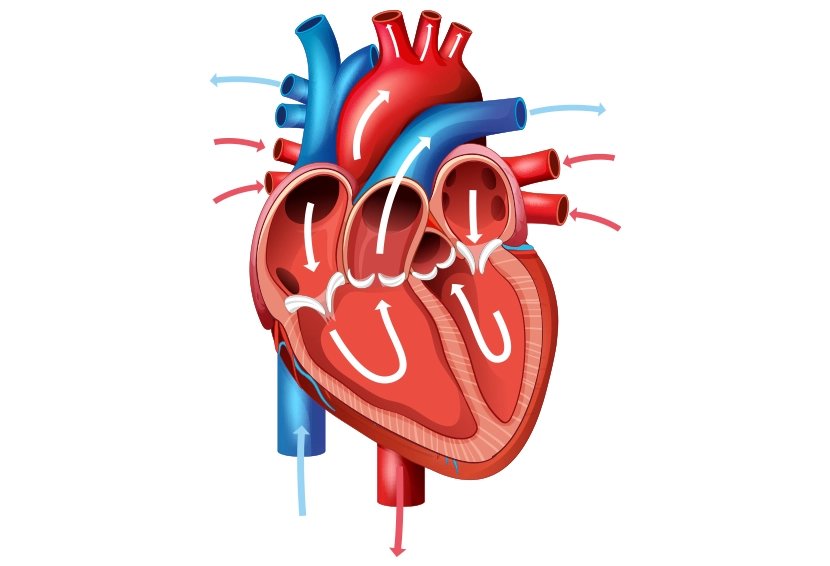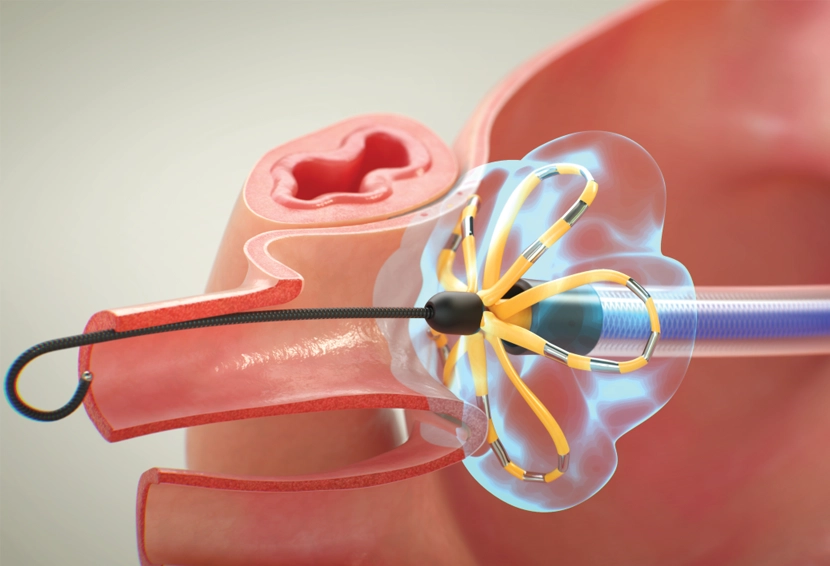
When you have an irregular heartbeat, you are experiencing a change in the speed or rhythm of your heart. Sometimes this happens without any harm and sometimes there are serious consequences if left untreated. Some types of arrhythmias can lead to a higher chance of experiencing stroke, congestive heart failure, or sudden cardiac death.
How individuals experience irregular heartbeat symptoms will vary from person to person. Some will have symptoms that are identifiable, whereas others will not realize that they are experiencing an irregular heartbeat until after their doctor finds them during a routine examination.
Common symptoms include:
Symptoms of arrhythmia may be sporadic at first, but they could increase with time. Keeping track of these symptoms will help your cardiologist figure out possible triggers and causes for these symptoms.
The severity of arrhythmia symptoms depends on the type of rhythm abnormality and the overall condition of the heart.
Some individuals experience only mild palpitations, while others develop significant symptoms that interfere with daily activities. Certain arrhythmias may reduce the heart's ability to pump blood efficiently, leading to fatigue, weakness, or breathlessness.
Common factors associated with arrhythmias include:
High blood pressure
When a cardiologist can determine what is causing or contributing to the heart rhythm disorder, it is usually very helpful in managing the heart rhythm disorder.
Here are some of the most common reasons that individuals have questions about when to seek a cardiologist for help with occasional palpitations.
Schedule an evaluation if you experience:
If you notice a pattern of episodes in which your heart is racing, fluttering, or beating differently; especially if there is no obvious trigger, it is a good idea to call your cardiologist.
Blackouts or extreme dizziness may mean that your heart is not supplying enough blood to your brain.
If you experience shortness of breath while having an irregular heart rhythm, this could indicate something more serious with your heart or your blood vessels.
Any chest pain or pressure should be evaluated in the emergency room immediately if you have any irregular heart rhythm.
A family history of arrhythmias, sudden cardiac death, or inherited heart conditions may warrant early screening in certain individuals.
Individuals diagnosed with hypertension, heart failure, a history of myocardial infarction (heart attack), or structural heart problems should not overlook the significance of any modifications to their heart rhythm (arrhythmias).
Utilization of contemporary cardiac diagnostic techniques by health care practitioners provides the precise identification of the etiology (cause) of disturbances in heart rhythms via a thorough history and physical examination and by performing diagnostic testing specific to cardiac function.
An ECG produces a record of the electrical impulses generated by the heart’s rhythm and can identify electrical impulse abnormalities (e.g., arrhythmias, conduction defects, etc.) that suggest possible underlying heart disease.
In some patients, the rhythm disturbance will occur intermittently (at times) preventing the EGG from capturing the rhythm disturbance when they are evaluated in the office/clinic.
Holter monitoring is an external portable cardiac diagnostic test that continuously records the cardiac impulses generated by the heart for 24 hours or longer.
This testing method is particularly useful when the symptoms are of a sporadic nature. Cardiologists can correlate symptom complaints, e.g., palpitations, dizziness, light-headedness, etc., with changes recorded from the cardiac rhythm generated by the patient.
Depending on each patient’s individual risk factors, your doctor may recommend any of the following tests:
Testing can help determine if you need treatment and which treatment method is best for you.
Ignoring symptoms of a continuing irregular heartbeat can, in some cases, lead to complications of arrhythmia, which may increase your risk of:
Early diagnosis will assist your doctor in formulating an individualized treatment plan, which may include lifestyle changes, medication, ongoing monitoring, or advanced cardiac procedures when necessary.
Although a medical examination is the first step toward maintaining heart health, many lifestyle changes may help support cardiovascular health:
Following these preventive measures can decrease your cardiovascular risk and improve your long-term cardiovascular health.
Detecting abnormal heart rhythms early can be key in protecting heart health. Palpitations, light-headedness, difficulty breathing, chest discomfort, or unexplained tiredness are some signs of irregular heart rhythms that should not be ignored – especially if they happen often. Call for all types of heart rhythm disorders advanced tests such as Holter monitors and ECG results are crucial in identifying rhythm disorders as well as detecting ECG abnormalities before complications occur.
Patients in Ludhiana, who are experiencing symptoms of arrhythmia should consult with a qualified cardiologist, who can help with understanding and identifying the problem area through diagnosis and offer you the best approach possible for treatment.
Having your heart rhythm evaluated as soon as an issue is identified is one of the best ways to ensure that you continue to lead a healthy and active lifestyle.
Senior Consultant Cardiology Department
Meet the doctorFrom Recent Advancements in Heart Care to Tips and Tricks to make your Heart Healthy Again, stay updated with reliable and informative blogs by our experts.

 WhatsApp Us (24/7)
 +91 9070902010 (24/7)


 Previous
.webp)