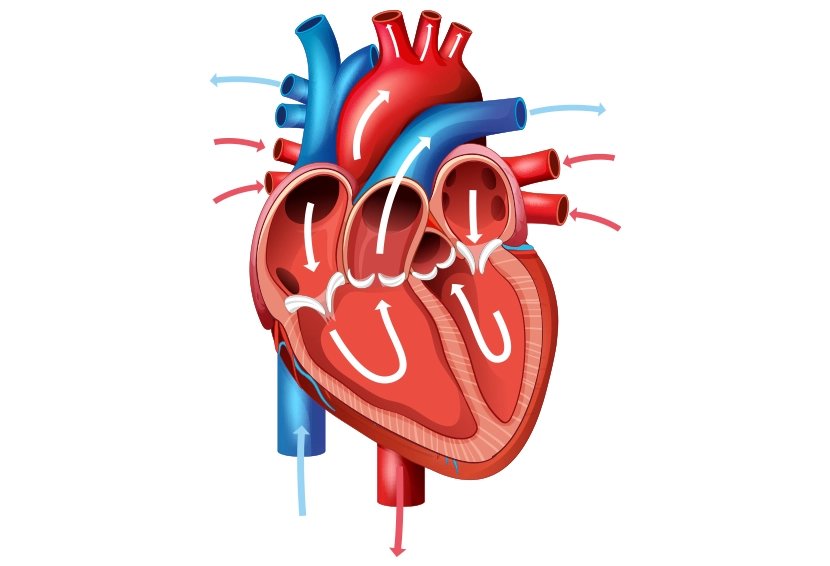
Do you know your heart has an electrical system to help it function properly?
Your heart has a special electrical system known as the cardiac conduction system. This system governs the rate and rhythm of your heartbeat. With each heartbeat, an electrical signal flows from the top of the heart to the bottom. As this signal travels, it supports your heart to contract and pump blood.
Here are the 5 steps of the electrical pathway of your heart.
Sinoatrial (SA) Node
(The heart’s natural pacemaker, located in the upper right atrium, initiates an electrical impulses.)
↓
Atrial (Upper Chambers) Contraction
(Impulse spreads across atria, causing contraction.)
↓
Atrioventricular (AV) Node
(Receives signal; slight delay allows ventricular (lower chamber) filling)
↓
Bundle of His
(Carries signal down the septum (middle wall))
↓
Bundle Branches
(Splits into right and left branches to each ventricle)
↓
Purkinje Fibers
(Spread through the ventricular walls, causing contraction from bottom up and blood ejection)
When Does Arrhythmia Happen?
As the best cardiologist says, it happens when your heart's electrical signals go haywire; this can disturb the normal pumping function of the heart.
1. Tachycardia (Fast Heart Rhythms)
- Atrial Fibrillation (AFib)
- Atrial Flutter
- Supraventricular Tachycardia (SVT)
- Ventricular Tachycardia (VT)
- Ventricular Fibrillation (VFib)
2. Bradycardia (Slow Heart Rhythms)
3. Extra or Premature Heartbeats
- Premature Ventricular Contractions (PVCs)
- Premature Atrial Contractions (PACs)
What Is the Most Common Cause of Arrhythmia?
Irregular heartbeat or arrhythmia, usually stems from underlying heart disorders such as:
Here are some risk factors:
- Age, ventricular arrhythmias may be seen in 70% to 80% of elderly persons over the age of 60 years.
- Family history and genetics
- Lifestyle habits (Smoking, use of illegal drugs, and alcohol consumption)
- Medicines (inform your doctor if you are taking medicine for high blood pressure or for a mental health condition)
- Other health conditions (kidney disease, lung diseases, obesity, thyroid hormone problems, diabetes, etc.)
What are the Irregular Heartbeat Symptoms?
A cardiac arrhythmia may be “silent,” as it does not cause any symptoms. However, it may be noticed during a health checkup for another reason.
If you are searching for “What does a heart arrhythmia feel like?” then it may feel like the following symptoms:
- Palpitations
- Irregular Rhythm
- Dizziness/Lightheadedness
- Shortness of Breath
- Chest Discomfort
- Fatigue/Weakness
- Sweating or Cold sweats
Severe Symptoms | Call for Emergency Care
- Fainting (Syncope)
- Near-fainting
- Severe Chest Pain or Pressure
- Sudden Collapse
- Trouble Breathing
Some types of arrhythmia can be cured, especially with procedures like catheter ablation,, Let's understand the causes, symptoms, and treatment options in detail.
Treatment for Irregular Heartbeat or Arrhythmias
If you are searching for “How to treat an irregular heartbeat?” then it totally depends on your doctor; they will decide on comprehensive treatment based on your condition.
1. Medications
- Beta blockers
- Calcium channel blockers
- Antiarrhythmics slow or regulate the heart rate
- Blood thinners prevent clots in AFib
2. Cardioversion
A quick electrical shock synchronizes your heart and allows your normal rhythm to restart.
Possible side effects
- Bleeding
- Blood clots
- Infection
- Injury to a vein or heart tissue
- Stroke
3. Catheter Ablation
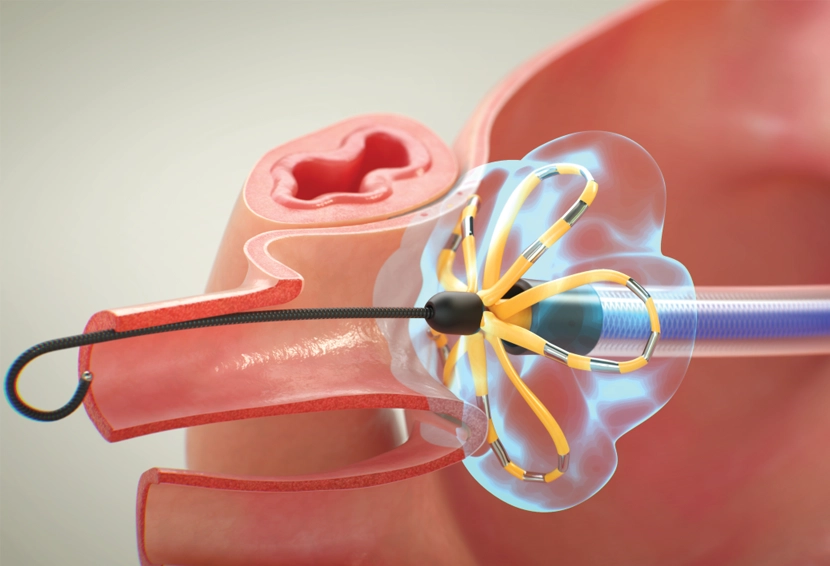
It sends high-frequency electrical energy to a small area of tissue inside your heart. This helps “disconnect” the abnormal rhythm’s pathway.
4. Devices
- Permanent pacemaker
- Implantable cardioverter defibrillator (ICD)
- Biventricular (B-V) pacemakers and defibrillators (also called cardiac resynchronization therapy or CRT)
5. Maze surgery
It can correct atrial fibrillation when medications or nonsurgical treatment methods fail to show results. Creates scar patterns to stop erratic signals in severe cases.
6. Treatments for Mange Risk Factors
The heart doctor can recommend the following ways to address the risk factors:
- Reduce high blood pressure
- Control cholesterol levels
- Eat a heart-healthy diet (Eat plenty of vegetables, fruit, whole grains, protein-rich foods, healthy fats and oils, etc.)
- Avoid tobacco smoke and vaping
- Enjoy regular physical activity
- Lose excess weight
New Treatment Options for Cardiac Arrhythmias
Here are some emerging technologies:
- Pulsed Field Ablation (PFA)
- Advanced Ablation
- Nanotechnology
- Left Atrial Appendage Occlusion (LAAO)
Cost of Irregular Heartbeat in Mumbai
The price varies based on the type of hospital, technology used, type of Irregular Heartbeat, and other individual factors. The price may range from ₹120,000 to ₹650,000.
When to Consult the Heart Doctor
You should consult a doctor trained in heart diseases, called a cardiologist, in the following conditions:
- If you feel like your heart is beating too fast or too slow, or it's skipping a beat.
- Intense chest pain
- Fatigue
- Shortness of breath
- Fainting
Best Heart Hospital | Artemis Cardiac Care
Searching for minimally invasive heart care in India? Contact Artemis Cardiac Care; we are known for the best heart care backed by advanced technology and experienced heart surgeons.
Our experts:
Call us at +91 9070902010 (24/7).
Explore the patient success stories here.
Our Advanced Heart Treatment at Artemis Cardiac Care
Written and Verified by:
Dr. Gaurav Mathur
Years of Experience : 7 Years
Consultant Cardiologist Cardiology Department
Meet the doctor




 WhatsApp Us (24/7)
 +91 9070902010 (24/7)


 Previous
.webp)