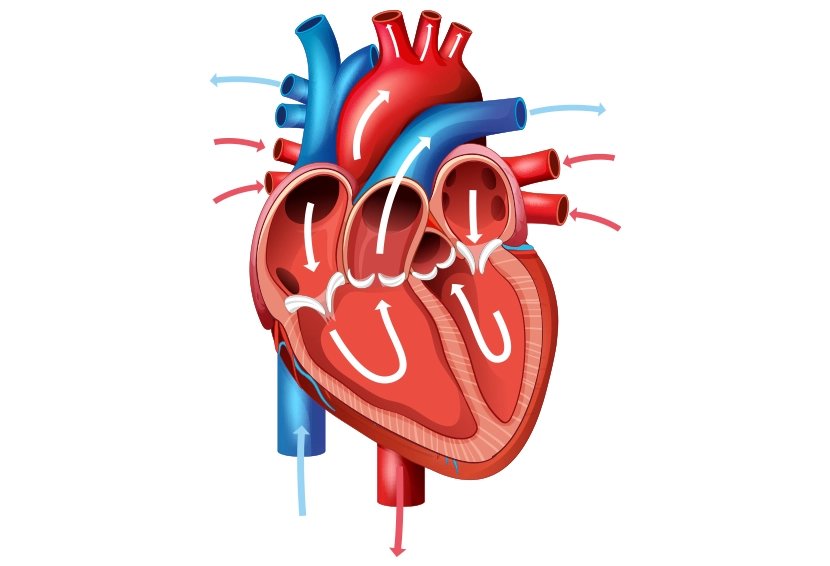
Here are some common types:
A weakened, bulging area in the aorta. This can occur in the chest (Thoracic Aortic Aneurysm—TAA) or abdomen (Abdominal Aortic Aneurysm—AAA).
It is a medical emergency in which a tear occurs in the inner layer of the body's main artery (aorta). It generally happens in men in their 60s and 70s.
It is a type of peripheral Arterial Disease (PAD) in which plaque buildup occurs (atherosclerosis) in the arteries in your belly and pelvic area, specifically, the lower part of your aorta and your iliac arteries.
This can limit blood flow to your butt and legs, leading to leg pain when you’re active and erectile dysfunction (difficulty getting and keeping an erection) in males.
It is a type of heart valve disease that prevents your aortic valve (one-way door in the heart to ensure correct blood flow) from working properly. The valve is narrowed (stenosis) or leaky (regurgitation).
There can be 2 types:
AAS is a life-threatening condition where a tear in the thoracic aorta can lead to rupture of the aorta and a fatal outcome. Acute aortic syndromes generally require urgent treatment, and many individuals need surgery.
It is the inflammation of the aorta (the largest artery you have in your body). It can often result from infection, autoimmune disease, or vasculitides like giant cell arteritis.
Conditions such as Marfan syndrome, Loeys-Dietz syndrome, or Ehlers-Danlos cause aortic weakness and aneurysms (a bulge in the wall of an artery).
It happens when the aorta is damaged or ruptured because of penetrating or blunt force to the artery.
Congenital narrowing, usually near the ductus arteriosus site (a short vessel that connects the aorta to the lungs before birth).
Read Also: Uncovering Cardiovascular Disease: What Puts You at Risk?
Aortic conditions, such as aneurysms or valve disease, can develop silently. If you experience the following symptoms or have any family history, always consult your doctor in a timely manner.
Shortness of breath (with exertion or at rest)
Read Also: Navigating Valvular Heart Disease Treatment: Approaches and Options
Aortic vascular diseases cannot be fully prevented in all cases, particularly congenital or genetic forms; however, many acquired types can be considerably reduced with lifestyle changes and risk management.
Read Also: Spotting Coronary Artery Disease Symptoms: Recognizing Signs of Blocked Arteries
You can maintain your aortic vascular health by adopting the following healthy habits:
Read Also: Spotting Coronary Artery Disease Symptoms: Recognizing Signs of Blocked Arteries
Aortic vascular diseases often have no cure. But with timely diagnosis, they are treatable, and symptoms can be managed through medications, lifestyle changes, and sometimes surgical or minimally invasive procedures. All you need to do is follow your doctor’s advice.
Searching for the best treatment for aortic vascular diseases?
Contact Artemis Cardiac Care, backed by advanced diagnostic technologies for accurate diagnosis of aortic conditions and cardiologists who focus on a patient-centric approach.
Treatment Options Available:
Call us at +91 9070902010 (24/7).
Q1: How to take care of vascular health?
A: Living with peripheral artery disease and other aortic diseases may require you to take the following tips for your vascular health:
Follow these tips: Quit Smoking, stay active, manage a healthy weight, keep yourself hydrated, maintain quality sleep, and eat fruits and veggies.
Do not follow these things for vascular health: Smoking, excessive caffeine, chronic stress, and packed and fried food items.
Q2: What is the best medicine for vascular disease?
A: There is no particular best medicine for vascular disease. The treatment depends on the type and severity of the condition and many other individual factors.
Q3: How do doctors treat vascular disease?
A: The best cardiologist in Chennai treats vascular disease based on detailed diagnosis, type, and other individual factors. The treatment may involve:
Senior Consultant Cardiology Department
Meet the doctorFrom Recent Advancements in Heart Care to Tips and Tricks to make your Heart Healthy Again, stay updated with reliable and informative blogs by our experts.

 WhatsApp Us (24/7)
 +91 9070902010 (24/7)


 Previous
.webp)