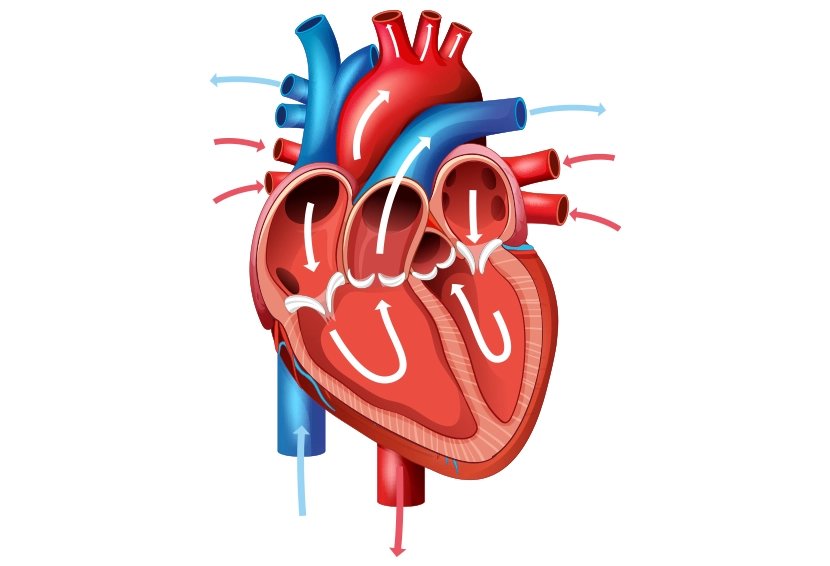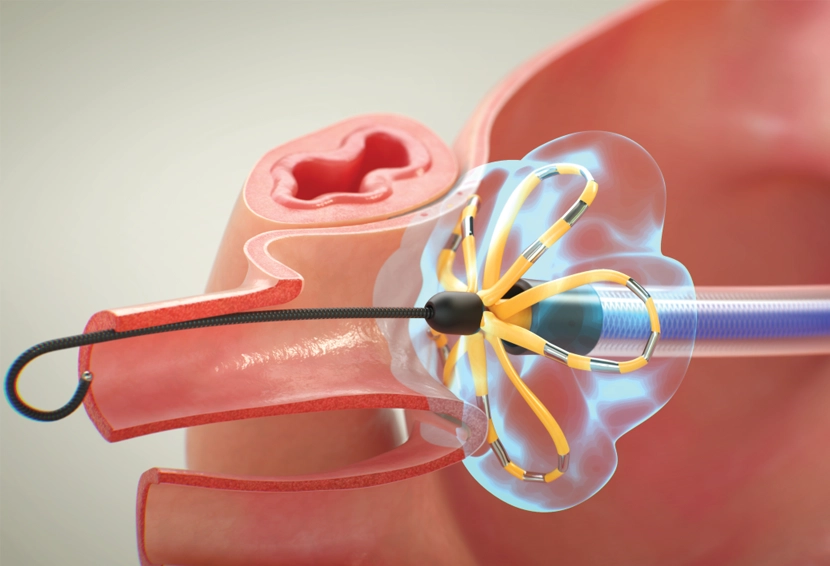
Pollution and poor heart health are often correlated. Let’s know how.
Tiny particles such as PM2.5 from polluted air enter your lungs and blood. They can start body-wide inflammation, harming blood vessels over time.
What Is (PM2.5) and Why Is It So Harmful?
They are microscopic air pollutants, measuring 2.5 micrometers or less in diameter. They are the concoction of dust, soot, dirt, smoke, and liquid droplets, often with harmful chemicals. They are harmful because they can penetrate deep into your body and trigger health conditions.
Particles in poor air can promote inflammation, which speeds up atherosclerosis (plaque buildup in arteries). This raises heart attack risk; you can think of it like rust clogging pipes.
What Is a Plaque Buildup in the Arteries Called Atherosclerosis?
Atherosclerosis is a buildup of plaque in the inner lining of an artery. Plaque is made up of deposits of fatty substances, cholesterol, cellular waste products, calcium, and fibrin. Over time, the artery walls become thickened and stiff due to plaque buildup.
Pollutants like NO₂ in the bad air release stress hormones. This forces the heart to pump harder and damage vessels, which over time can impact heart health.
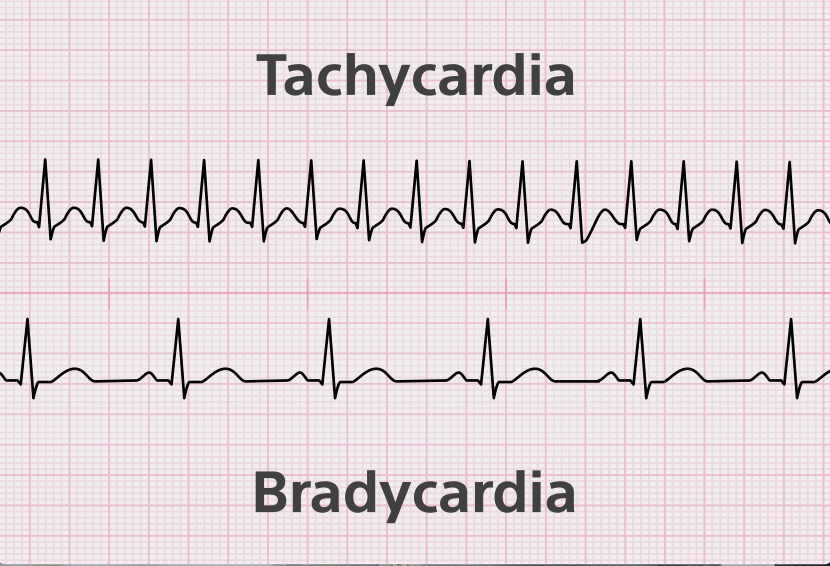
Air toxins imbalance the nervous system. This can cause irregular beats or arrhythmias, which are especially risky for those with already existing heart issues.
PM2.5 makes blood "sticky," meaning it increases its coagulability and viscosity. They can do this by triggering systemic inflammation and oxidative stress, contributing to increased heart health risk.
Pollution encourages the formation of free radicals that oxidize cells. This weakens the heart muscle and accelerates chronic conditions.
For diabetics or hypertensives, poor air quality amplifies the workload on the heart. This can turn manageable risks into emergencies.
Long-term exposure ages arteries prematurely, contributing to the risk of early heart conditions.
Here are the top tips to lower pollution-induced heart health impact:
Long-term exposure can potentially cause the following conditions:
The cost may vary based on the type of hospital, location, and package inclusions.
The cost may range between ₹1,500 and ₹3,000.
The cost may range between ₹6,000 and ₹18,000.
The cost may range between:
You should consult the best cardiac doctor if you experience the following symptoms or conditions:
Here are the top 11 signs:
Searching for the best heart care facility in India? Contact Artemis Cardiac Care for comprehensive cardiac care. Here, you will get the benefits of advanced technology backed by experienced heart specialists.
Our experts:
Call us at +91 9070902010 (24/7).
Explore the patient success stories here.
Disclaimer: This blog is for informational use only and is not intended to replace professional advice. For the right post-treatment heart health care, follow your doctor’s advice only.

Consultant Cardiologist Cardiology Department
Meet the doctorFrom Recent Advancements in Heart Care to Tips and Tricks to make your Heart Healthy Again, stay updated with reliable and informative blogs by our experts.

 WhatsApp Us (24/7)
 +91 9070902010 (24/7)


 Previous