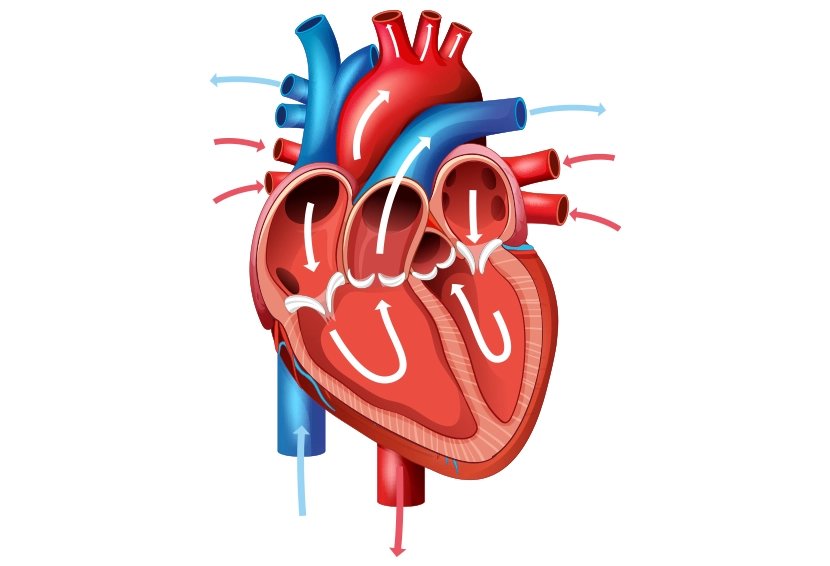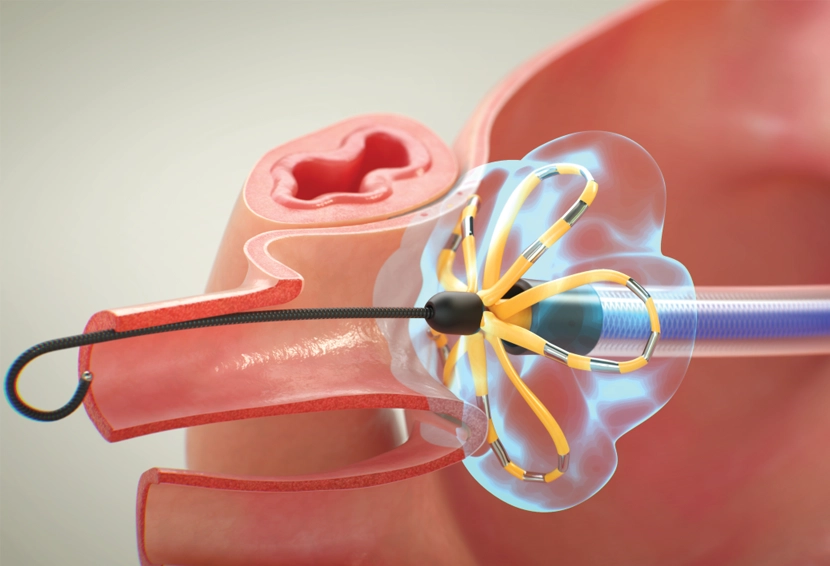
A cardiologist specializes in the understanding and treatment of the heart, a complex organ that requires specialized medical training. An appropriately trained cardiologist assesses risk factors and diagnoses problems related to the heart by personalising a treatment plan based upon the patient's medical history and lifestyle.
Patients often refer themselves to a cardiologist for evaluation and management of symptoms such as:
Each of the above symptoms could represent an underlying heart condition that could require immediate medical treatment. An experienced cardiologist in Patna will complete these evaluations and have the ability to recommend the appropriate diagnostic tests if necessary.
Coronary angiography refers to a type of imaging tests that allows healthcare providers to view how the blood flows through the arteries of your heart. Through this process, the cardiologist can identify if there is any narrowing or blockage within the coronary arteries, as well as other abnormalities that may result in the patient having an increased risk of developing cardiovascular disease or having a heart attack.
An angiography hospital would typically have the best years of experience using the most modern technology to provide accurate and timely diagnostic test results, thus allowing for the timely development of a treatment plan. The angiographic procedure would consist of injecting a contrast dye into the patient's arteries, which can be viewed through X-ray imaging to see if any of the arteries to the heart are blocked.
Angiography is a test that may be performed on patients who have:
Timely diagnosis through angiography allows for timely intervention and the ability to provide treatment to avoid major cardiovascular events from occurring.
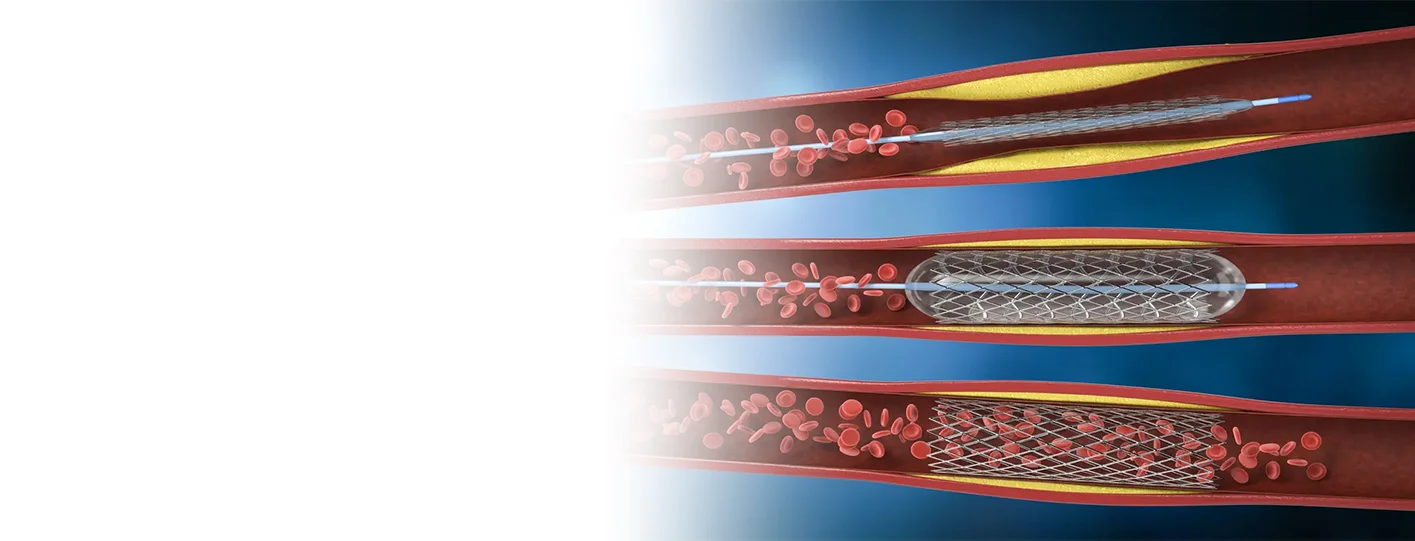
Angioplasty is a non-invasive operation that can open blocked coronary arteries (such as heart arteries). It is often done following an angiography test where significant blockage of the heart arteries has been identified.
During angioplasty, a tiny balloon is inflated to create a passageway in the blocked artery to allow blood flow. In many cases, a stent (a wire mesh tube that keeps arteries open) will also be placed in the coronary artery to prevent the coronary arteries from being blocked in the future.
Some of the benefits of angioplasty include the following:
An experienced cardiologist in Patna will decide if angioplasty is the best treatment for you based on what has been found during diagnostic tests and what type of health problems you have.
Many people wait too long to see a doctor because they don't realize cardiac symptoms until it's too late. Speaking to a cardiologist right away may allow you to find and diagnose your cardiovascular problems sooner rather than later.
If you experience any of the following, consider getting an appointment with a cardiologist:
Chest pain that is constant and feels like pressure or tightness could indicate coronary artery disease. Don't ignore this type of symptom.
If you find that you are struggling to breathe as you go about your normal everyday routine (ex: walking up a flight of stairs), your heart function may be compromised.
Uncontrolled high blood pressure places you at much greater risk of heart attack, stroke, or congestive heart failure.
If you have a family history of heart disease, you should seek regular evaluations by a cardiac specialists and/or regular preventive screening.
Diabetes and/or obesity are very high-risk factors for developing cardiovascular disease and should be monitored regularly with the help of a cardiac specialist.
Different things could potentially cause chest pain, ranging from minor digestive problems all the way to serious heart issues. Getting a proper diagnosis is very important since it will be crucial in deciding how to treat a patient.
To determine the correct diagnosis a physician may use multiple methods of testing that may include:
Once a proper diagnosis has been made, depending on what that diagnosis is would lead to treatment options varying from lifestyle changes, medication management, angioplasty, or some other form of cardiac intervention.
A Qualified Heart Specialist Patna will carefully consider all of your symptoms and do whatever they can so the correct diagnosis can be made and that you will have the most effective treatment plan available.
When you visit your heart doctor for the first time, they will typically perform the following steps.
Your doctor will ask about your symptoms, family history and perform a physical examination as well as check your blood pressure and heart rate.
After reviewing all of that information your doctor may recommend preventive measures, prescribe medication, schedule an angiogram or perform further heart testing based on their findings.
It is also helpful for patients to bring previous medical records, lists of medications and copies of any previous tests that were done on their heart.
Choosing a well-respected angiography centre is an integral part of ensuring your health as it relates to your heart. Factors you should consider are:
Comprehensive diagnostic capabilities
High quality cardiac centres are focused on patient safety, follow evidence-based treatment guidelines and provide timely intervention.
Heart disease can develop without notice, making it important to have an early evaluation of your risk factors followed up with preventative care. If you are experiencing symptoms of heart disease, or if you have one or more significant risk factors for developing it, you should consult an experienced cardiologist in Patna who can assist you with preventive measures to safeguard against future complications to your health.
Regardless of whether or not you need to have preventive screening done, receive a full consultation from a cardiologist, how to treat chest pain, angiography or angioplasty, if you are not able to make an appointment with a medical professional in a timely manner, your chances of getting better results from a cardiovascular standpoint are diminished. Making quality cardiac care a priority today can have a positive impact on both your long-term cardiovascular health as well as your general health and well-being.
Take the Next Step Toward Better Heart Health
If you're experiencing chest pain, shortness of breath, high blood pressure, or have a family history of heart disease, don't wait for symptoms to worsen.
Consult an experienced cardiologist in Patna for a comprehensive heart evaluation and personalized treatment plan. Whether you need preventive screening, advanced chest pain treatment, angiography, or angioplasty, early diagnosis and timely cardiac care can help protect your heart and improve your long-term health.
Q1: When should I consult a cardiologist in Patna?
A: If you experience chest pain, shortness of breath, palpitations, fainting, high blood pressure, or if you have a family history of heart disease, you should see a cardiologist in Patna as soon as possible. Evaluating you early can identify potential heart issues before they become serious.
Q2: What is the difference between angiography and angioplasty?
A: Angiography serves as a diagnostic tool to identify partially or completely blocked arteries in the heart; angioplasty serves as a treatment for opening those arteries. Angioplasty may include placing a stent to restore blood flow.
Q3: Is angioplasty a major surgery?
A: Angioplasty is considered minimally invasive, and requires no surgical incision. Angioplasty uses a catheter to gain access to the artery through a small hole in the skin of the groin. The recovery time for angioplasty is significantly faster than recovery from traditional open-heart surgery. Depending on individual factors, some patients return to physical activity in two to three days.
Q4: Which symptoms require immediate chest pain treatment?
A: Seek immediate medical attention if you have: severe or persistent chest pain; radiating pain to the arm or jaw; shortness of breath; excessive sweating; vomiting; fainting. Getting prompt treatment for your chest pain reduces your chances of suffering a heart attack and/or other complications.
.webp)
Unit Head Interventional Cardiology Department
Meet the doctorFrom Recent Advancements in Heart Care to Tips and Tricks to make your Heart Healthy Again, stay updated with reliable and informative blogs by our experts.

 WhatsApp Us (24/7)
 +91 9070902010 (24/7)


 Previous
.webp)