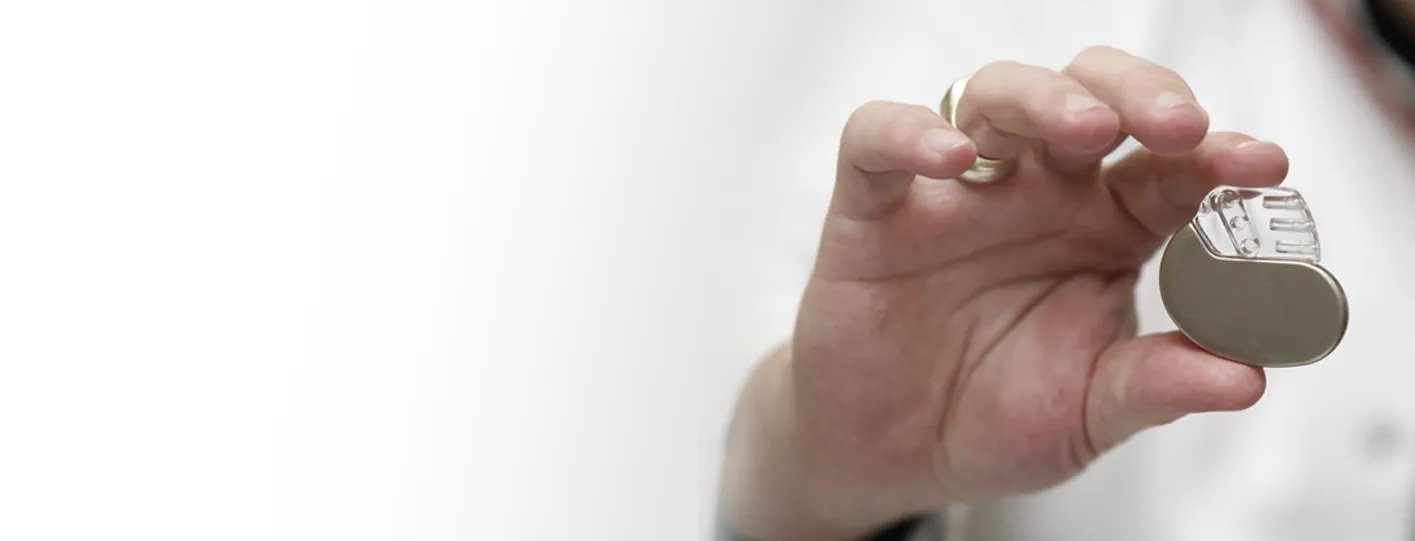
A leadless pacemaker is a small, one-piece device that a top cardiologists in Patna inserts into your heart to prevent slow heart rates.
Read Also: What Is A Pacemaker And Why Is It Used?
Here are the key features that you should know:
| Main Aspect | Detail |
| Procedure | A catheter is inserted through the femoral vein in the leg to guide the device into the right ventricle. The procedure is usually under local anesthesia. |
| Device Design | The device is about the size of a large vitamin capsule (inches). It contains both the battery and pacing technology. |
| Benefits | No surgical pocket or scar in the chest. There is no risk of lead fracture. You can expect faster recovery times. |
| Limitations | Currently, these devices are mostly used for single-chamber pacing (right ventricle). The good news is that the technology is advancing. |
Read Also: What is a Pacemaker and How Does it Work
It is a self-contained, miniaturized pacemaker device implanted directly inside the heart (usually the right ventricle).
There’s no separate battery, and it doesn’t require leads (wires) because the entire device sits in your heart’s right ventricle (heart chamber).
Here are the major characteristics:
Here are some approved models:
| Model/System | Manufacturer | Main Features |
| Micra Transcatheter Pacing System (Micra VR) | Medtronic | First‑generation single‑chamber leadless pacemaker implanted in the right ventricle. |
| Micra VR2 | Medtronic | Updated single‑chamber leadless pacemaker with longer battery life and refined programming. |
| Micra AV / Micra AV2 | Medtronic | Leadless pacemaker with AV‑synchronous pacing for more natural rhythm control. pmc. |
| Aveir Leadless Pacemaker (LSP112V, VR) | Abbott | Single‑chamber leadless pacemaker system approved for ventricular pacing. |
| Aveir DR Dual‑Chamber Leadless Pacemaker | Abbott | First dual‑chamber leadless system (atrial + ventricular) approved for broader pacemaker indications. |
The patients are selected at the best cardiology hospital in Patna based on why the person requires a pacemaker, how the heart is wired, and what risks they have.
Those with the following scenarios are the ideal candidates:
A heart specialist in Patna says people with the following issues may not be the right candidates.
Here are the pros:
Both have their own benefits; it depends on the severity and type of slow heart rate you have. A heart specialist in Patna will consider whether you need pacing in one or both heart chambers, your vein anatomy, infection risk, and lifestyle.
When implanted in the heart's right chamber, usually the ventricle, it monitors your heart’s electrical activity and emits small electrical pulses directly to the heart muscle. This helps correct arrhythmias and prevent slow heart rates.
When done under professional guidance, it is a highly safe and effective procedure. Researchers have found an implant success rate of 95% to 99%, with complication rates less than 2%.
However, like any other procedure, it can cause the following complications:
Looking for the best cardiac hospital to manage bradyarrhythmias, or slow heart rates?
Artemis Cardiac Care is the first JCI (Joint Commission International) accredited medical institution and one of the best heart hospitals in Patna, backed by expert cardiologists and advanced heart surgery techniques, including leadless pacemaker therapy.
With our skilled specialists, modern diagnostics, and dedicated cardiac ICU, we are known to deliver top‑quality care for congenital and acquired heart conditions from infancy through adolescence. Visit the best nearby heart specialist hospital near you in Patna to prevent further complications.
Treatment Options Available:
Call us at +91 9070902010 (24/7).
Our Address: Artemis Heart Centre Hospital, P.O, Danapur - Bankipur Rd, Sadaquat Ashram, Kurji, Patna, Bihar 800010
Disclaimer: This content is for informational use only and is not a replacement for professional treatment; for the right pediatric heart care, contact your doctor.
.webp)
Unit Head Interventional Cardiology Department
Meet the doctorFrom Recent Advancements in Heart Care to Tips and Tricks to make your Heart Healthy Again, stay updated with reliable and informative blogs by our experts.

 WhatsApp Us (24/7)
 +91 9070902010 (24/7)


 Previous
.webp)