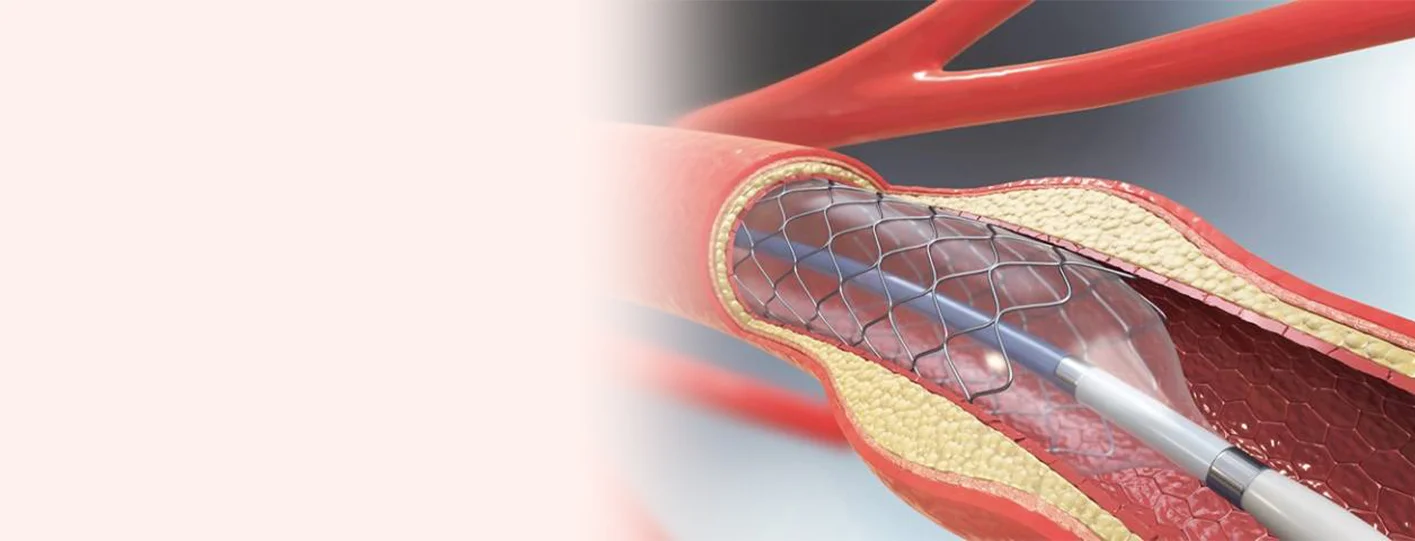
A coronary stent is a tiny mesh tube inserted into a narrowed artery to restore blood circulation to the heart. While modern stents are highly advanced, they do not stop coronary artery disease from progressing.
Stent re-blockage can happen because of:
Recent cardiovascular recommendations in 2026 place even stronger emphasis on aggressive cholesterol control and lifestyle management after angioplasty because heart disease is now understood as a lifelong inflammatory condition, not just a “blocked artery problem.”
The good news is that most cases of restenosis can be prevented with proper care.
Read Also: Latest Advances in Angioplasty: How Modern Techniques Improve Recovery & Safety
Find your five tips below:
One of the most dangerous mistakes after angioplasty is stopping medicines early because you “feel normal.”
After stent placement, doctors commonly prescribe:
These medicines protect the stent from dangerous clot formation and reduce future heart attack risk.
According to NHLBI, stopping blood thinners too soon can cause sudden stent thrombosis, which may lead to severe heart attacks or even death. This is why medication adherence remains one of the most critical aspects of recovery.
2026 Update on Cholesterol Management
Modern cardiac guidelines now recommend much lower LDL cholesterol targets for high-risk heart patients after angioplasty. Many cardiologists aim for LDL levels below 55 mg/dL to minimize future arterial damage.
Practical Tips to Stay Consistent
Remember: the procedure opens the artery, but medicines protect it every day.
Read Also: Angioplasty Price in India
Your arteries respond directly to what you eat.
A diet high in fried foods, processed snacks, sugar, and unhealthy fats accelerates inflammation and plaque buildup. On the other hand, heart-friendly nutrition helps protect your stent and improves overall cardiovascular function.
Foods That Help Your Heart Heal
Include More:
Limit or Avoid:
For Indian households, reducing excessive oil, sweets, salty namkeen, and heavy restaurant meals can significantly lower future cardiac risk.
Why Sugar Control Is Important
High blood sugar damages blood vessels and increases inflammation. Patients with diabetes are more likely to develop restenosis after angioplasty if glucose levels remain uncontrolled.
2026 Nutrition Trend: Anti-Inflammatory Eating
Cardiologists now increasingly recommend anti-inflammatory diets focused on minimally processed foods, balanced proteins, healthy fats, and plant-based nutrition patterns to support long-term artery health.
Read Also: Difference Between Angiogram and Angioplasty
After angioplasty, many people become fearful of exercise. But avoiding movement can actually weaken the heart further.
Regular physical activity:
Best Exercises After Angioplasty
Most patients can begin light walking soon after the procedure, but heavy exercise should only start after medical clearance.
How Much Exercise Is Recommended?
Modern heart health guidelines recommend:
Warning Signs During Exercise
Stop and seek medical advice if you experience:
Cardiac rehabilitation programs remain one of the best ways to recover safely after angioplasty.
Read Also: Complex Coronary Angioplasty: A Lifesaving Option For Blocked Arteries
Smoking is one of the biggest reasons stents fail early.
Nicotine damages artery walls, increases blood clot risk, raises blood pressure, and accelerates plaque formation. Even occasional smoking after angioplasty can dramatically increase future heart attack risk.
Secondhand smoke exposure can also harm recovery.
Stress and the Heart Connection
Emotional stress affects heart health more than many people realize. Chronic stress increases:
Long-term stress can worsen coronary artery disease even when medicines are taken correctly.
Healthy Stress Management Techniques
Sleep Is Essential for Recovery
Poor sleep is now considered a significant cardiovascular risk factor. Adults recovering from angioplasty should aim for 7–8 hours of quality sleep every night.
Many patients make the mistake of assuming that angioplasty permanently fixed their heart disease.
In reality, coronary artery disease requires lifelong monitoring.
Your cardiologist may recommend:
Patients with diabetes, multiple stents, or kidney disease often require closer observation.
Symptoms You Should Never Ignore
Seek urgent medical attention if you experience:
Early intervention can prevent major complications.
Read Also: Innovative Treatments for Blocked Arteries: From Stents to Bypass Surgery
Modern cardiology has greatly improved angioplasty outcomes through:
However, experts now agree that long-term success depends more on lifestyle changes and medication consistency than on the procedure itself.
A stent can reopen an artery, but it cannot replace healthy living. Think of angioplasty as a second chance for your heart — not the end of treatment.
Patients who consistently follow medications, eat wisely, stay active, avoid smoking, manage stress, and attend regular checkups can significantly reduce the risk of stent re-blockage and enjoy a healthier future.
The small choices you make every day — your meals, sleep, exercise, stress levels, and medicine routine — quietly determine how strong your heart remains years after angioplasty.
Looking for the best cardiac doctor to manage heart conditions and personalize a heart-friendly lifestyle?
Call Artemis Cardiac Care, the JCI (Joint Commission International) accredited medical institution, at +91 9070902010 (24/7).
Our experts:
Disclaimer: This content is for informational use only and is not a replacement for professional treatment; for the right pediatric heart care, contact your doctor.
Q1: Can I eat eggs after angioplasty?
A: Yes, most people can eat eggs after angioplasty in moderation, focusing on egg whites and limiting fried preparations while keeping overall saturated fat and cholesterol low as advised by your doctor.
Q2: Can I drink alcohol after a stent?
A: It must be discussed with your cardiologist due to interactions with blood thinners and other heart medications.
Q3: What is a heart‑healthy Indian diet after a stent?
A: A heart-healthy Indian diet after a stent includes whole grains, vegetables, fruits, lentils, fish, and healthy oils, with low salt, limited oil, and minimal fried or processed foods.
Q4: Can I go to the gym after a stent?
A: Yes, you can return to the gym after a stent, but only after medical clearance and usually from a few weeks onward, starting light and gradually increasing under a doctor‑or‑rehab‑guided plan.

Consultant Cardiologist Cardiology Department
Meet the doctorFrom Recent Advancements in Heart Care to Tips and Tricks to make your Heart Healthy Again, stay updated with reliable and informative blogs by our experts.

 WhatsApp Us (24/7)
 +91 9070902010 (24/7)


 Previous
.webp)