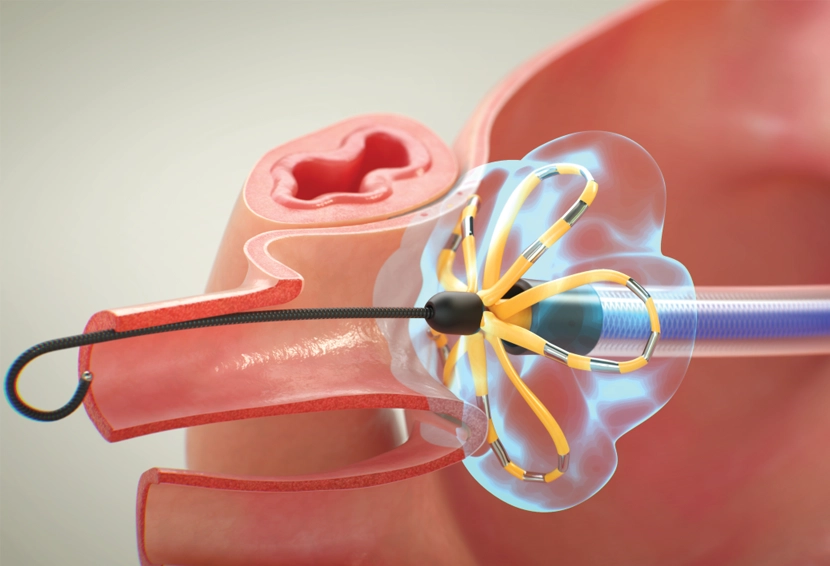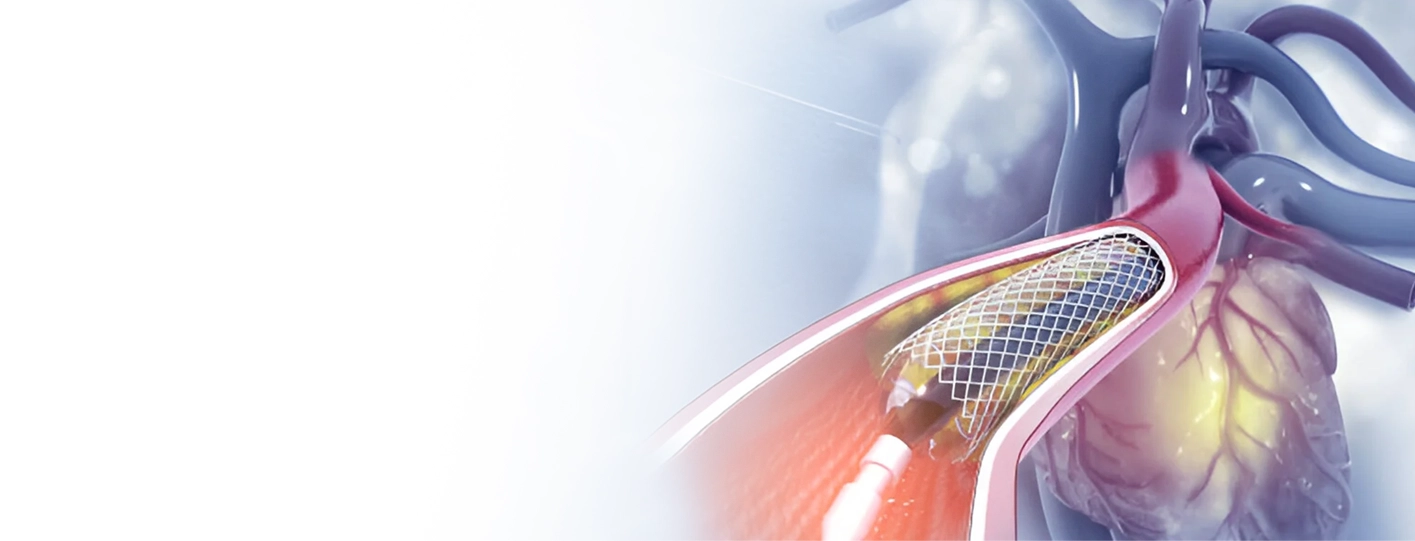
When done by the best DM Cardiologist, like Dr. Rajesh Kumar Jha (with 16 years of experience), they are generally safe procedures. Angioplasty procedure is less invasive than other heart and vascular procedures, like bypass surgery.
The Other Names are
Heart specialists at Artemis Cardiac Care can recommend it for the following conditions:
There have been many advances in angioplasty procedures that help patients with better results. Let's explore these modern advancements:
Transradial Access
This modern method uses the wrist artery instead of the groin for catheter insertion.
What is the benefit?
Outpatient Procedures
Excimer Laser Coronary Angioplasty (ELCA)
ELCA uses UV light to vaporize plaque. This helps treat complex, calcified, or long arterial blockages that balloons can't easily open.
Its benefits are
Shockwave Lithotripsy (Intravascular Lithotripsy or IVL)
IVL uses sonic pressure waves. It is used to treat severely calcified artery blockages, particularly in the coronary and peripheral arteries.
Its benefits are:
Rotablation
It uses a tiny, diamond-tipped burr to grind hardened calcium deposits in arteries, with newer, gentler techniques when traditional balloons fail.
Its benefits are:
Drug-Coated Balloons (DCBs)
These are specialized angioplasty balloons that deliver antiproliferative agents to the vessel wall. DCBs provide improved long-term vessel patency (where blood vessels remain open for an extended period) compared with conventional balloon angioplasty. It offers a stent-free way to treat blocked arteries.
Bioabsorbable Stents
Biodegradable stents are a new-age alternative to permanent stents and may be used to solve the lingering problem of in-stent restenosis (re-narrowing or blockage of a coronary artery). These can provide temporary support that dissolves over time, leaving a natural artery.
Fractional Flow Reserve (FFR)
FFR measures pressure to determine if a blockage truly requires intervention or not. This helps avoid unnecessary stenting.
Intravascular Imaging (IVUS/OCT)
Gives the doctor the real-time artery visuals and detailed cross-sectional views of the artery. This guide is about accurate stent placement.
5. Robot-Assisted Angioplasty
A robotic coronary angioplasty is similar to the normal procedure except robotic technology is used to improve outcomes, precision, stability and lower radiation exposure.
These are the safety improvements:
The cost may vary based on factors like the severity of the heart condition, age, existing diseases, type of hospital, etc.
The price may generally range between ₹90,000 and ₹3.5 Lakhs (or more).
Searching for the minimally invasive angioplasty heart care in India? Contact Artemis Cardiac Care; we are known for our advanced technology backed by experienced heart surgeons.
Our Advanced Heart Treatment Options Available:
Our experts:
Call us at +91 9070902010 (24/7).
Explore the patient success stories here.
Contact a heart specialist at Artemis Cardiac Care immediately if you experience the following symptoms:
Note: This content is for educational use only. For accurate information, rely only on professional advice.
Q1. What are the latest advances in angioplasty?
A: Recent advances include improved drug-eluting stents, advanced imaging technologies, and minimally invasive catheter techniques that allow cardiologists to treat blocked arteries more precisely and safely. These innovations help reduce complications and improve long-term outcomes for patients.
Q2. How do modern angioplasty techniques improve recovery time?
A: Modern angioplasty methods are less invasive and often use smaller catheters inserted through the wrist or groin. This approach reduces surgical trauma, shortens hospital stays, and allows many patients to return to normal activities faster compared to traditional procedures.
Q3. Is angioplasty a safe procedure with new technologies?
A: Yes, angioplasty is generally considered safe when performed by experienced cardiologists. Advances in technology, better imaging, and improved stents have made the procedure more precise, lowering risks and increasing success rates for treating blocked arteries.
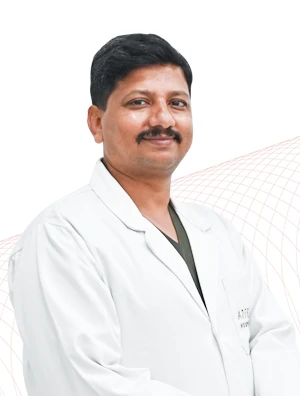
Consultant Cardiology Department
Meet the doctorFrom Recent Advancements in Heart Care to Tips and Tricks to make your Heart Healthy Again, stay updated with reliable and informative blogs by our experts.

 WhatsApp Us (24/7)
 +91 9070902010 (24/7)


 Previous
.webp)