Weight-loss medications—also known as anti-obesity drugs—are usually prescribed when lifestyle changes such as diet and exercise alone do not produce sufficient results.
Doctors typically recommend weight loss medication when patients meet specific health criteria, such as:
In some medical guidelines, including NHS recommendations:
Medication is generally considered only after consistent lifestyle interventions fail to produce meaningful results.
Doctors usually evaluate:
Medication may be recommended if:
Weight loss drugs are typically recommended for:
However, these drugs may not be suitable for certain individuals.
A cardiologist in Panipat can assess these risks before starting treatment.
Weight loss drugs work through different mechanisms, which can influence cardiovascular health in different ways.
1. Appetite Suppression
Some weight loss pills affect brain signals that regulate hunger.
They:
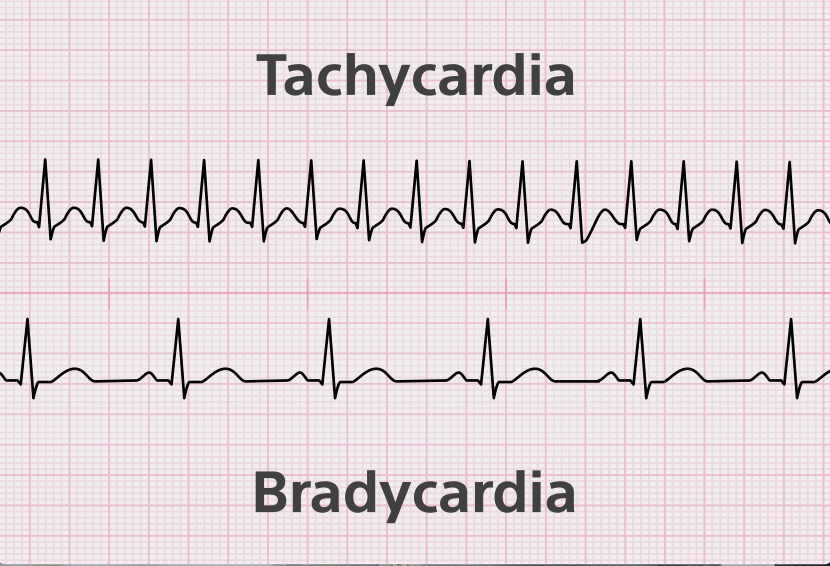
However, stimulant-based appetite suppressants may increase:
Both can place stress on the cardiovascular system.
2. Slowed Digestion
Certain medications slow stomach emptying, helping people feel full longer. This mechanism can help reduce overeating but may also cause gastrointestinal symptoms.
3. Hormonal Regulation
Modern weight loss injections, particularly GLP-1 receptor agonists, mimic natural hormones that regulate:
These medications may actually benefit heart health in some patients.
Newer medications such as semaglutide and tirzepatide have changed how doctors view weight-loss treatments.
Research shows these drugs may provide significant cardiovascular protection.
Clinical trials have shown that GLP-1 medications can:
Large studies have demonstrated that semaglutide reduced major cardiovascular events by about 20% in adults with obesity and existing heart disease.
These drugs may help reduce:
Because of these benefits, many specialists now consider GLP-1 drugs part of a comprehensive cardiovascular risk-reduction strategy, not just a weight-loss tool.
Despite potential benefits, some medications may still produce heart-related side effects.
These risks vary depending on the drug category.
Examples include drugs in the phentermine class.
Possible side effects include:
These medications are usually avoided in patients with:
Some older multi-ingredient medications can increase cardiovascular risk by raising both heart rate and blood pressure.
Potential complications may include:
Although generally safer for the heart, these medications may still cause side effects, including:
In rare cases, these issues may indirectly affect heart rhythm in sensitive individuals.
Because of these possibilities, patients should always undergo cardiovascular evaluation before starting treatment.
Not all medications carry the same level of cardiovascular risk. Some are considered safer for patients with heart concerns.
These medications are widely considered among the best weight loss drugs with low heart risk.
Examples include:
Advantages
These drugs are often recommended for patients with:
A cardiologist in Panipat may include them as part of a broader heart-risk management plan.
Orlistat works differently from many other medications.
How It Works
Advantages
Possible Side Effects
This medication can be effective but requires careful monitoring.
Potential Risks
Doctors may avoid it in patients with existing heart disease.
While medications can help, they are not always the safest or most sustainable option for long-term weight control.
For many patients, lifestyle-based approaches remain the foundation of safe weight management.
Specialized cardiac clinics offer integrated care involving:
These teams can:
This approach is particularly beneficial for patients with:
Lifestyle modifications significantly reduce cardiovascular risk and enhance medication effectiveness.
Balanced Diet
A heart-healthy diet should emphasize:
Patients should limit:
Regular Physical Activity
Exercise improves both weight control and heart health.
Experts recommend:
Exercise improves:
Sleep and Stress Management
Poor sleep and chronic stress increase cortisol levels, which can raise blood pressure and increase cardiovascular risk.
Helpful strategies include:
Some patients may need to stop or adjust medication due to side effects or inadequate results.
Research shows that abruptly stopping weight loss drugs can lead to weight regain and worsening metabolic health.
Doctors often recommend gradual tapering under medical supervision.
Contact a healthcare professional immediately if you experience:
A cardiologist in Panipat at Artemis Cardiac Care can evaluate these symptoms and adjust treatment if necessary.
Not all weight loss drugs affect the heart the same way. Older stimulant-based medications may increase cardiovascular risk, while newer GLP-1 weight loss drugs may provide protective heart benefits.
For patients seeking safe and effective treatment, the best approach is to combine medication with expert medical supervision and lifestyle improvements.
At Artemis Cardiac Care, specialists such as Dr. Aman Arora help patients develop weight-loss plans that support both metabolic health and heart protection.
If you are considering weight loss pills, injections, or other treatments, speaking with a cardiologist in Panipat can help ensure your weight-loss journey strengthens your heart rather than putting it at risk.
Our Address: Artemis Ravinder Heart Centre – Panipat, 638, Model Town Rd, Model Town, Panipat, Haryana 132103
Disclaimer: This content is for informational use only and is not a replacement for professional treatment; for the right pediatric heart care, contact your doctor.

Consultant Cardiologist Cardiology Department
Meet the doctorFrom Recent Advancements in Heart Care to Tips and Tricks to make your Heart Healthy Again, stay updated with reliable and informative blogs by our experts.

 WhatsApp Us (24/7)
 +91 9070902010 (24/7)


 Previous