processing...
Brand Logo
Living with Valvular Heart Diseases: Symptoms, Risks, and Treatment Living with Valvular Heart Diseases: Symptoms, Risks, and Treatment

Living with Valvular Heart Diseases: Symptoms, Risks, and Treatment

Artemis Hospital

January 06, 2026 |
Living with Valvular Heart Diseases: Symptoms, Risks, and Treatment 9 Min Read | 85

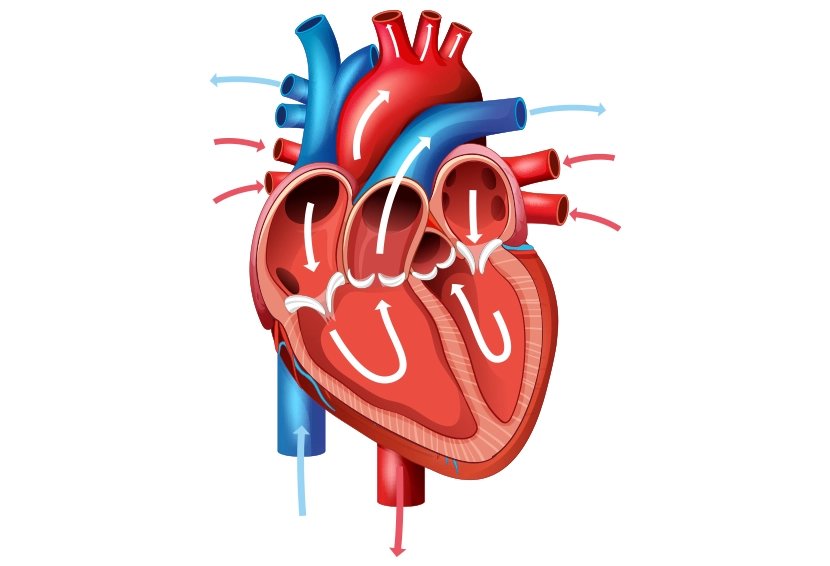
Valvular heart disease (VHD) happens when one or more of the heart's 4 valves (aortic, mitral, tricuspid, and pulmonic) don't work properly.

How do heart valves work normally?

Heart valves act as one-way doors. They open to let blood through and close to avoid backflow.

However, in VHD, valves do not function properly, either by not opening fully (stenosis), not closing tightly (regurgitation or leaking), or bulging backward (prolapse).

What are the Causes of VHD?

The common causes are:

  • Congenital defects.
  • Infections such as rheumatic fever, infective endocarditis, etc.
  • Aging due to calcium buildup (calcification)

Other contributing factors are:

What are the Symptoms of Valvular Heart Disease (VHD)

Generally, people with VHD don’t experience symptoms; however, when the condition worsens, the symptoms may appear, such as:

1. Shortness of Breath

Individuals may experience difficulty in breathing, particularly during physical activity or even at rest.

2. Chest Pain or Discomfort

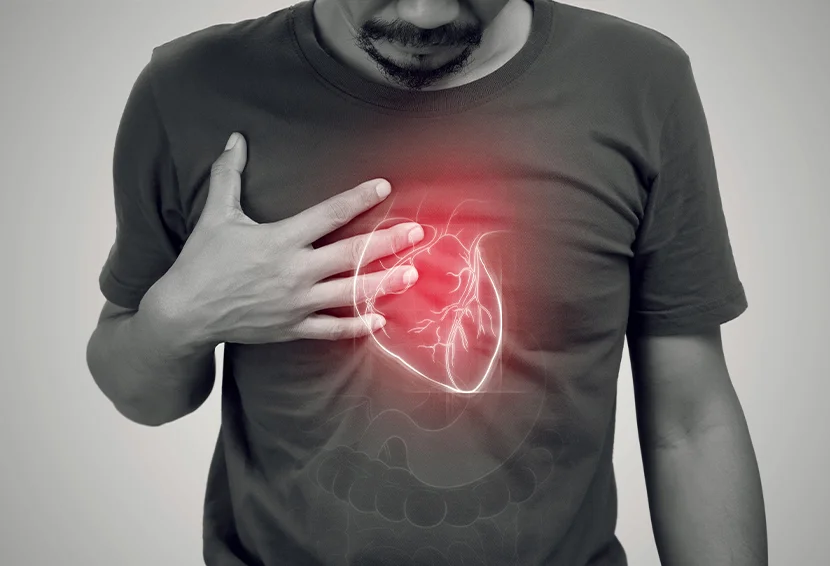
Tightness or pressure in the chest, often during exertion.

3. Fatigue and Weakness

Unexplained tiredness or weakness.

4. Palpitations

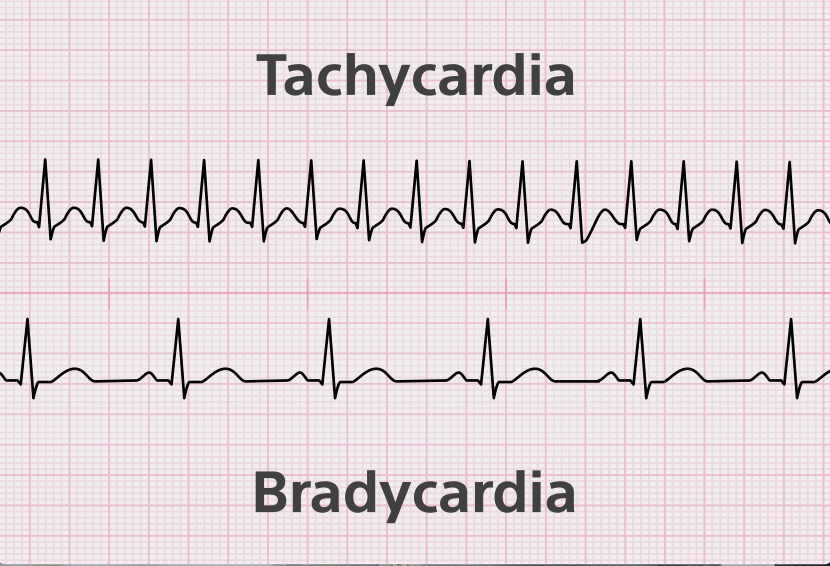
It may feel like an irregular heartbeat, skipped beats, or a fluttering feeling in the chest.

5. Swelling (or Edema)

Fluid buildup can lead to swollen ankles, feet, legs, or abdomen.

6. Dizziness or Fainting

People may feel lightheaded or pass out.

What are the Risks of VHD

Untreated vascular heart conditions may lead to serious complications, which include:

Treatment of Valvular Heart Diseases

The best cardiac doctor will personalize the treatment based on the condition, type, severity, age, and other individual factors.

Here are some of the possible options:

A. Non-Surgical Treatments

  • Watchful waiting
  • Medications such as diuretics (lower fluid buildup), blood thinners (prevent blood clots), beta-blockers (Control heart rate and rhythm), etc.

B. Minimally Invasive and Catheter-Based Procedures

  • Balloon Valvuloplasty (helps widen a narrowed valve)
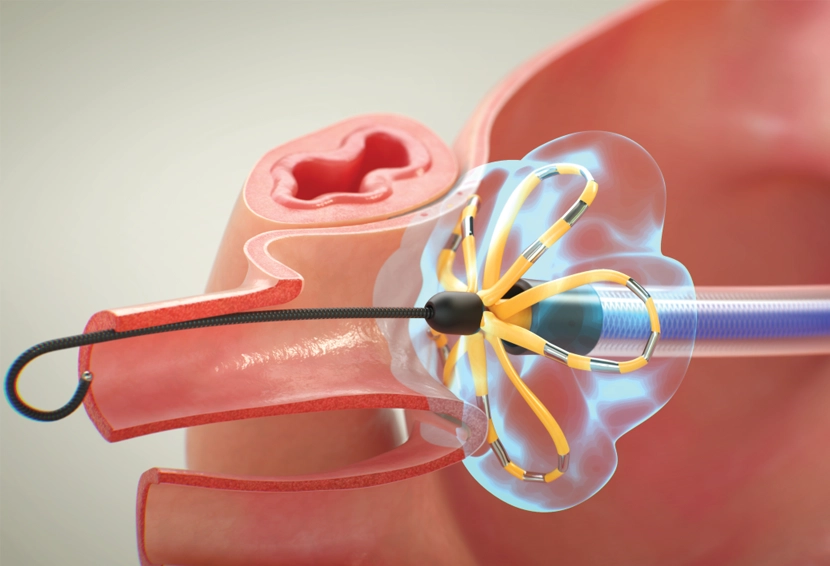
  • Transcatheter Aortic Valve Replacement (TAVR/TAVI) (it involves delivery of a new valve through a catheter)
  • Transcatheter Edge-to-Edge Repair (TEER) (it clips the leaflets of a leaky mitral valve, lowering leakage and improving valve function.)

C. Surgical Treatments

  • Heart Valve Repair
  • Heart Valve Replacement
  • Open-heart, Robotic Surgical Approach

D. Management Lifestyle Tips

The best heart doctor can recommend the following lifestyle changes for better condition management.

  • A diet low in salt and high in heart-healthy nutrients.
  • Regular exercise as advised by the doctor.
  • Quit smoking.
  • Limiting alcohol.
  • Control blood pressure, diabetes, and other health conditions.

When to Consult a Doctor

Schedule a visit to primary care or the best cardiologist near you if you experience the following conditions:

  • Shortness of breath
  • Chest pain and pressure
  • Swelling in your legs, ankles, or abdomen
  • Abnormal heartbeat
  • Feeling lightheaded

Cost of Valvular Heart Disease Treatment

The cost may vary based on the type of valve defect, severity, advanced technology used, and other individual factors.

The price may range from ₹2 Lakhs for basic biological valve replacements to over ₹30 Lakhs for advanced transcatheter procedures like TMVR.

Conclusion

Valvular heart diseases need comprehensive care from the right diagnosis to minimally invasive options. That's why if you feel unusual symptoms like an abnormal heartbeat or breathlessness, always consult your doctor for early action.

Searching for the best valvular heart disease treatment? 

Contact Artemis Cardiac Care, backed by advanced technologies and cardiologists who focus on a patient-centric approach.

Treatment Options Available:

Call us at +91 9070902010 (24/7).

Enquire Now

Want to connect with our team for a hassle-free experience? Share your details and we will get in touch at the earliest.

Latest Blogs

From Recent Advancements in Heart Care to Tips and Tricks to make your Heart Healthy Again, stay updated with reliable and informative blogs by our experts.

Our Locations

Artemis Cardiac Center