The signs and symptoms of a stroke happen quickly. But they can develop over hours or even days. If you recognize the following signs, consult your doctor immediately.
Read Also: Heat Stroke: Causes, Symptoms, Treatment and Prevention Measures
It can lead to the following conditions:
It helps people to take immediate action and seek emergency care. Early treatment can lower the risk of permanent damage, increasing the chances of a full recovery.
Here are some stroke prevention lifestyle changes that you can adopt after consulting your doctor.
High blood pressure harms arteries, which can cause clots and increase the chances of stroke. Follow your doctor’s prescription and maintain a healthy diet to keep it under 120/80 mmHg.
Eat a diet rich in fruits, veggies, whole grains, and healthy fats. This helps lower cholesterol and avoid plaque buildup in arteries that can block blood flow to the brain.
Brisk walking or swimming helps improve blood circulation and control weight, reducing the risk of clots.
Smoking damages blood vessels and encourages clotting, increasing the risk of clotting. Quitting allows arteries to heal and reduces the risk.
Excessive body fat, especially around the middle, increases blood pressure and diabetes, contributing to the increased risk of stroke. Hence, balancing your weight through diet and activity keeps blood sugar regulated and vessels clear.
More than 1-2 drinks daily increases blood pressure and irregular heartbeats; hence, avoiding excessive drinking prevents vessel damage.
High blood sugar can thicken blood and harm blood vessels. Follow your doctor's prescription and avoid small vessel blockages common in strokes.
Proper sleep supports vessel repair and hormone balance. This helps lower the overall risk of stroke.
Note: These tips are for educational purposes only; for the right stroke management, consult a healthcare professional only.
Consult the right doctor for the following condition.
As per the experts, 80% of strokes are preventable; all you need is to take immediate action for stroke prevention, like following doctor advice, managing high blood pressure, diet, exercise, and quitting smoking.
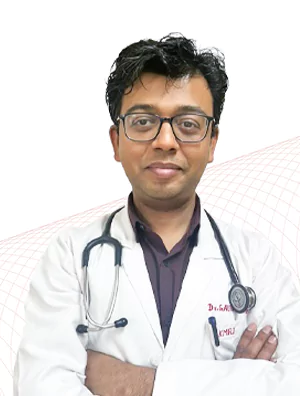
Consultant Cardiologist Cardiology Department
Meet the doctorFrom Recent Advancements in Heart Care to Tips and Tricks to make your Heart Healthy Again, stay updated with reliable and informative blogs by our experts.

 WhatsApp Us (24/7)
 +91 9070902010 (24/7)


 Previous