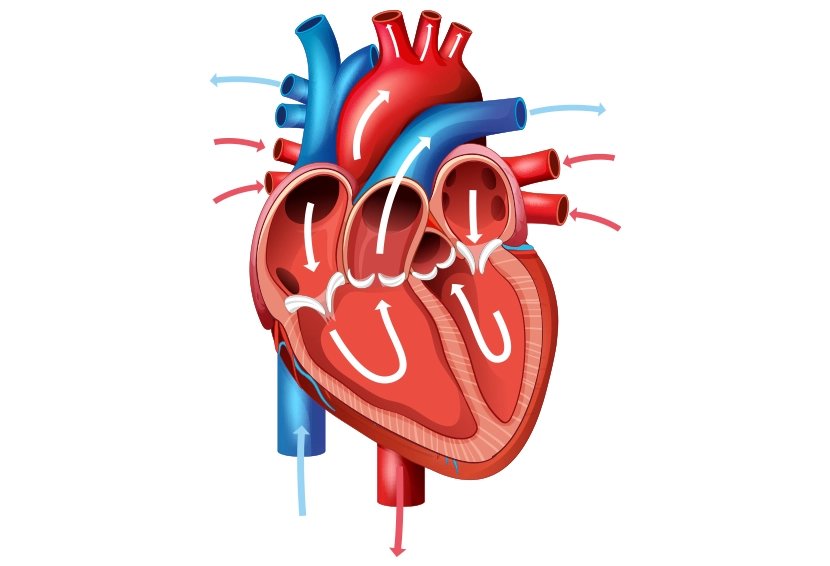
Read this analogy to understand the link better:
“Think of your heart as the critical pump in a city’s water supply system. If the pump gets blocked or damaged, the water supply might be disrupted throughout the city—homes, hospitals, and factories. These facilities start getting less water than they actually require. Over time, some of these areas may develop leaks, backups, or even stop working properly.
Similarly, if the pipes themselves are damaged or clogged (for example, diseased blood vessels or other organ problems), that extra strain can wear out the pump faster. In a similar manner, when the heart is not healthy, it can quietly affect the brain, kidneys, lungs, and gut.
Heart conditions decrease blood flow and oxygen delivery; hence, organs like the brain, kidneys, and lungs might not work properly over time. In severe cases, this could raise the risk of stroke, kidney disease, and breathing problems.
Weak blood flow from the heart interferes with proper filtration of waste, leading to long-term kidney disease. This may form a vicious cycle where each condition worsens the other.
Heart issues like atrial fibrillation (very rapid heart rhythm) can cause blood clots to travel to the brain. This can lead to stroke, cognitive failure, and memory loss.
Heart failure causes fluid to flow back to the lungs, resulting in pulmonary edema. This can lead to breathing difficulties.
Heart failure can cause congestion and fluid retention. This can lead to abdominal swelling, nausea, and bloating, sometimes known as intestinal angina.
Reduced blood flow, often from atherosclerosis (thickening or hardening of the arteries), causes Peripheral Artery Disease (PAD). This can lead to leg pain and, in severe cases, acute limb ischemia.
Chronic diseases such as diabetes, high blood pressure, and kidney disease can cause thickening, weakening, or stiffening of the heart muscle and narrowing of the arteries. These, in return, can directly damage your heart.
Long-term high blood sugar levels can damage blood-carrying vessels and nerves controlling the heart.
Chronic BP forces the heart to work harder, which may lead to thickened or weakened heart muscles or stiffened blood vessels.
Damage to the kidney may make the heart work harder because of fluid retention and lowered blood filtration.
Hyperthyroidism may increase heart rate, while hypothyroidism can cause slower heartbeats.
Chronic lung diseases such as COPD can cause pulmonary hypertension (high BP affecting the arteries in the lungs). This can create strain on the right side of the heart.
You should seek the best cardiologist's expertise in Panipat if you experience the following, particularly if they are new or worsening:
Timely visit if you have risk factors like:
Keep your dos and don'ts in mind:
Even after following these dos and don’ts, if you are experiencing unusual symptoms, contact your doctor for the right treatment.
Find your best heart doctor near you in Panipat at Artemis Cardiac Care, a leading heart‑care center offering expert diagnosis and advanced treatments.
We are known for our personalized cardiac care backed by experienced cardiologists, modern facilities, and round‑the‑clock emergency services. Artemis Cardiac Care helps you protect your heart and manage other linked conditions, such as hypertension, diabetes, and other risk factors, effectively.
We provide a full spectrum of services, such as
Call us at +91 9070902010 (24/7) for heart-healthy care.
Q1: Can anxiety affect your heart rate?
A: Anxiety may trigger your body's "fight or flight" response, which releases adrenaline and cortisol. This can cause an abnormal heart rate.
Q2: What causes an irregular heartbeat?
A: There are many factors that can affect the heart's electrical system, causing an irregular heartbeat.
Some of the causes are:
Q3: What is a heart murmur?
A: Heart murmurs are sounds, such as whooshing or swishing, that can be heard through a stethoscope. These sounds are made by rapid, choppy (turbulent) blood flow through the heart. Most heart murmurs are not serious. But symptoms of worrisome heart murmurs depend on the cause that your doctor will diagnose.
Disclaimer: This blog is for informational purposes only and does not intend to replace expert advice. For any heart-related condition, follow your doctor’s advice only.

Consultant Cardiologist Cardiology Department
Meet the doctorFrom Recent Advancements in Heart Care to Tips and Tricks to make your Heart Healthy Again, stay updated with reliable and informative blogs by our experts.

 WhatsApp Us (24/7)
 +91 9070902010 (24/7)


 Previous
.webp)