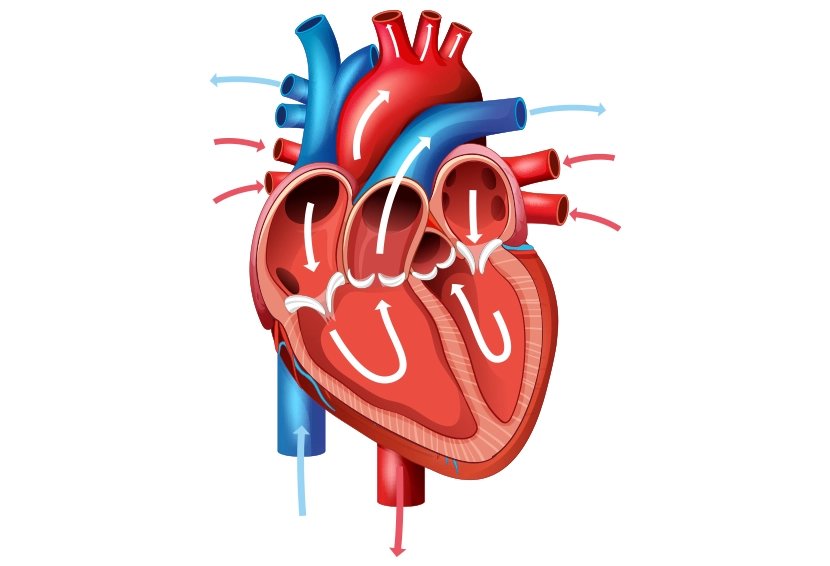
Congenital heart defects (CHD), or diseases, are problems with the heart’s structure that are present at birth. You may ask what the real-life impact of CHD, well, it can change how blood flows through the heart and to the rest of the body.
Healthcare professionals often do not know why congenital heart defects happen, but many factors can increase the risk of having a baby born with a heart problem. Some of these risks may include smoking or taking certain medicines during pregnancy, and a family history of CHD.
It is natural to wonder, “Is a congenital heart defect serious?” Well, these range from mild to life-threatening. Some of these defects are simple and demand no treatment, while others are critical and require treatment soon after birth.
To raise public awareness among people, every year, Congenital Heart Defect Awareness Week is celebrated, and this is no different and will be observed between February 7th and 14th, 2026.
What Are the Key Facts for Congenital Heart Defects?
Here are the key factors that you need to know:
| Key Aspects |
Details |
| Prevalence |
In India is 8 to 10 out of every 1,000 live births. |
| What is a Congenital Heart Defect? | Definition |
These are the structural problems in the heart or major blood vessels that are present at birth. |
| Types of Congenital Heart Defects |
There are many types of them are:
Septal defects (holes in the heart) like Atrial septal defect (ASD).
Shunt defects (abnormal blood‑flow pathways) like Patent ductus arteriosus (PDA).
Obstructive defects (narrowed valves or vessels) like Pulmonary stenosis
Cyanotic defects (cause low oxygen and bluish skin), like Tetralogy of Fallot |
| Cause |
The exact cause is often unknown. Some of the risks can be genetic factors (e.g., Down syndrome), maternal infections (rubella), or substance use (alcohol/smoking) during pregnancy, which can increase the chances. |
| Seriousness |
It can range from mild, self-resolving issues to life-threatening conditions requiring immediate surgery. |
| Symptoms |
In Infants: Bluish or grayish tint to skin, lips, or nails; breathing issues; feeding difficulties; fatigue; heart murmur.
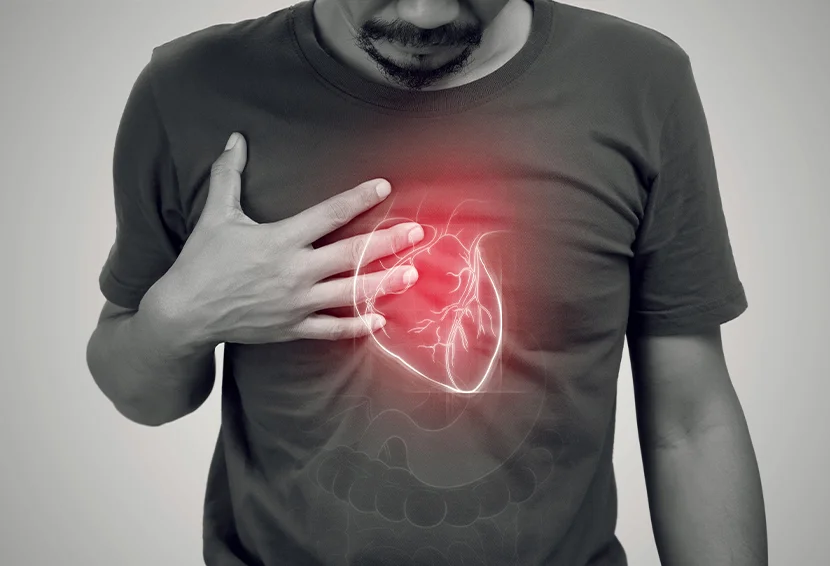
In Children & Adults: Exercise intolerance, shortness of breath, fluttering, or pounding heart, swelling in the hands, ankles, feet, or abdomen, frequent respiratory infections |
| Diagnosis |
They are generally spotted by a doctor based on symptoms or by newborn or prenatal screenings.
At times, your child's heart specialist may need to run heart tests to help diagnose you or your baby with a congenital heart defect. |
| Treatment |
The treatment ranges from watchful waiting for minor defects to complex heart surgery. |
What Are the Key Facts for Congenital Heart Defect Awareness Week 2026?
Here are the key facts that you should know:
- The week is observed from February 7–14, 2026, continuing the annual February timing.
- The week aims to educate the public about what congenital heart defects are, their impact, and the importance of early detection and treatment.
- Key events and activities for 2026:
- Educational webinars and expert addresses on early detection, treatment, and long‑term care for CHD.
- Rock Your Scar® 2026 campaign
- "Remember our Hearts" (Feb 12), a global event
- Share stories and facts, and wear the colors red and blue to show your support
- Fundraising and advocacy
- The key goals of this week are:
- Increase public awareness that CHDs are the most common birth defect.
- Educate about early detection.
- Promote access to specialized pediatric cardiac care.
- Support affected families.
- Encourage research and funding, advocating for more investment in CHD research.
CHD Support for Families
You can help the family with financial aid, specialized medical care, and emotional support networks.
What It Looks Like Living With Congenital Heart Disease
The life of individuals with Congenital Heart Disease may look like having the following scenarios:
- In children, symptoms often include difficulties feeding, poor weight gain, or rapid breathing.
- Adults may face challenges such as transitioning from pediatric to adult care, managing long-term medication, and navigating career or family planning with a chronic heart condition.
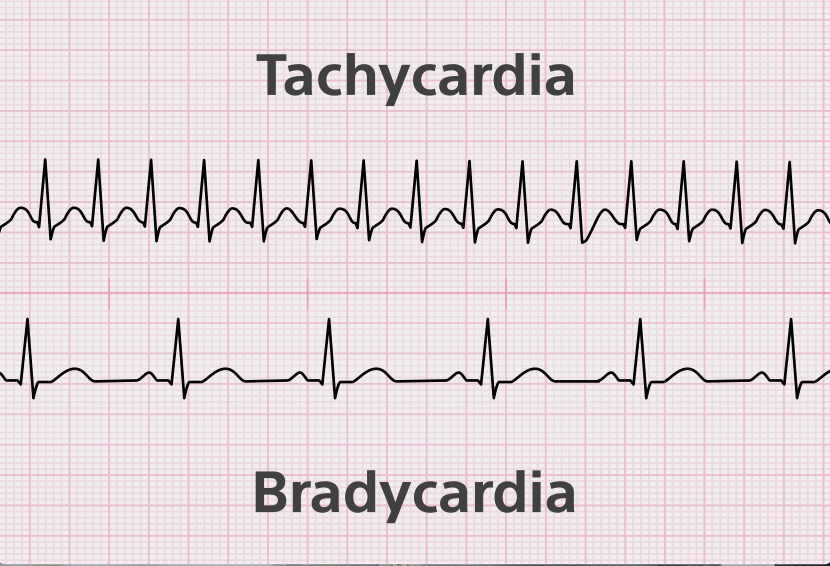
- Regular check-ups with specialized cardiologists to monitor for irregular heartbeats, blood pressure issues, or structural changes.
- Individuals often need to learn to "listen to their body," manage stress, monitor energy levels, and modify or avoid high-intensity exercises.
Pediatric Cardiac Care
Pediatric cardiac care focuses on diagnosing, treating, and managing heart issues in newborns, infants, children, and adolescents.
Here are the key aspects:
- Diagnosis with the help of tools such as fetal echocardiography, echocardiograms, ECGs, Holter monitoring, and cardiac MRI.
- Medical management.
- Specialized, multidisciplinary management of congenital or acquired heart conditions.
- If required, interventional and surgical care, such as catheter-based procedures and open‑heart surgery.
Congenital Heart Defect Treatment in India
The treatment is based on the severity of the defect:
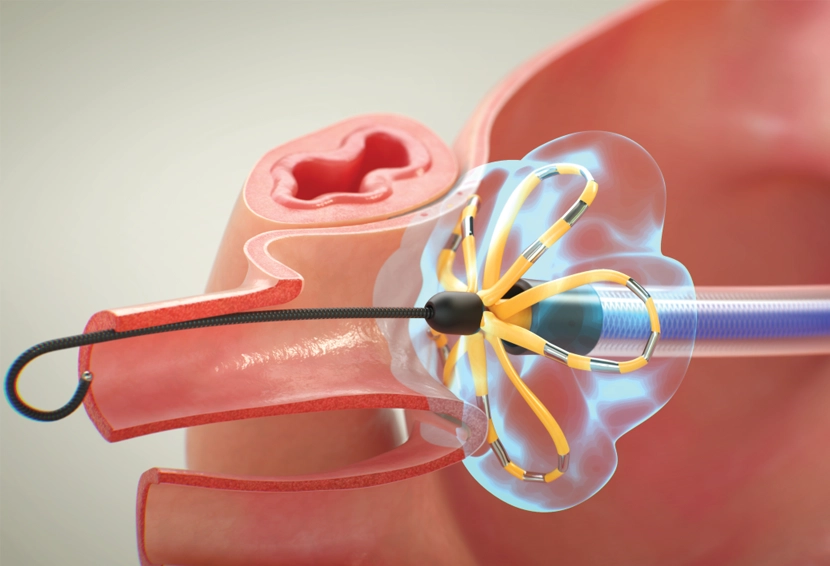
- Medicines, catheter procedures, open‑heart surgery, and, rarely, heart transplant, based on defect severity.
- Catheter‑based closures.
- Stenting.
- Complex defects (e.g., Tetralogy of Fallot) need open‑heart surgery at specialized pediatric cardiac centers.
- Minimally invasive.
- Robotic surgery.
When to Consult Your Child's Doctor
If your child shows the following signs of a potential congenital heart defect (CHD), consult the best pediatric heart doctor immediately:
- Loss of healthy skin color
- Blue color to the skin, lips, and fingernails
- Rapid or troubled breathing
- Swelling or puffiness in the face, hands, feet, legs, or areas around the eyes
- Shortness of breath
- Getting tired easily
- Sweating around the head
- Insufficient weight gain
Best Cardiac Hospital for Children Near Me | Artemis Cardiac Care
Looking for the best cardiac hospital for children near you? Artemis Cardiac Care is the leading pediatric cardiac care hospital backed by expert pediatric cardiology and advanced heart surgery in a child‑friendly, JCI‑accredited facility.
With our skilled specialists, modern diagnostics, and dedicated pediatric cardiac ICU, we are known to deliver top‑quality care for congenital and acquired heart conditions from infancy through adolescence.
Visit the best nearby child’s heart specialist near you to prevent further complications.
Treatment Options Available:
Call us at +91 9070902010 (24/7).
Disclaimer: This content is for informational use only and is not a replacement for professional treatment; for the right pediatric heart care, contact your doctor.


.webp)

 WhatsApp Us (24/7)
 +91 9070902010 (24/7)


 Previous