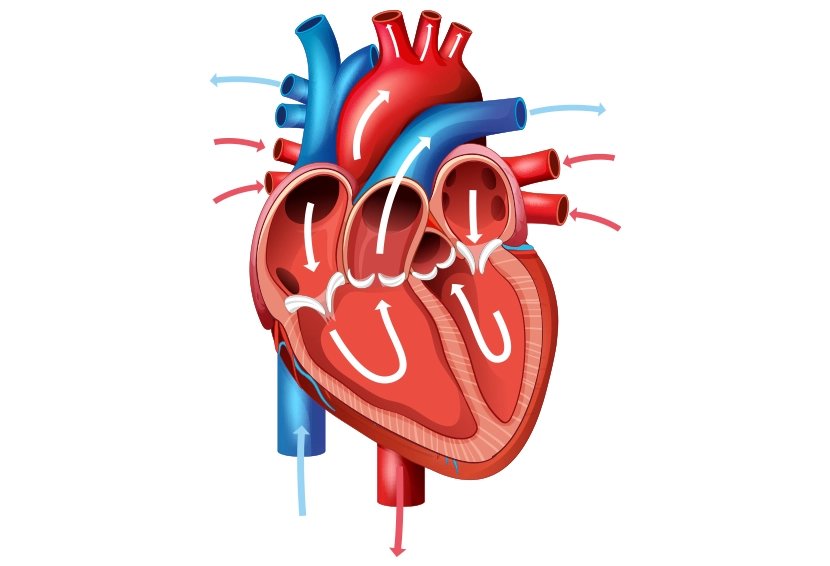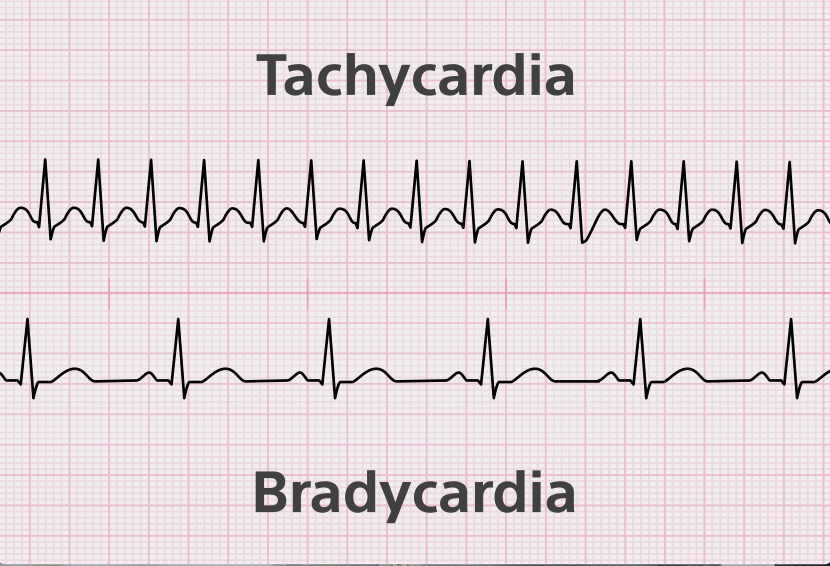
The heart beats regularly as it contracts and relaxes, following a uniform rhythm. A condition in which the atria, the upper chambers of the heart, beat irregularly is called atrial fibrillation (AFib). Because the atrium isn't pumping out enough blood, it starts pooling there. This condition is extremely risky as the pooled blood may begin to clot.
A blood clot that forms in the heart can potentially be pumped to the brain. This ultimately may result in a stroke because blood cannot reach the brain. Around 12–20% of patients who suffer from strokes caused by blood clots or vascular disorders exhibit this irregular heart rhythm. Therefore, doctors may recommend blood thinners to atrial fibrillation patients, as there is an increased risk of the formation of life-threatening blood clots.
Read Also: How High Blood Pressure Affects Your Heart: What You Must Know?
The following are the main types of atrial fibrillation:
| Type of Atrial Fibrillation | Description |
| Paroxysmal Atrial Fibrillation | Appears and disappears by itself, initiating and ceasing spontaneously. Episodes may range from a few seconds to as long as a week. However, most of them resolve within 24 hours. It might be asymptomatic. Initial management typically involves lifestyle modifications, such as decreasing caffeine consumption and managing stress, in conjunction with medication therapy to prevent recurrence. |
| Persistent Atrial Fibrillation | Persistent Atrial Fibrillation initiates spontaneously, persists for at least seven days, and may not cease without treatment. Medical intervention, like cardioversion (electrical shock for restoring the heart rhythm), may be required. Also, lifestyle modifications and medications are commonly advised to prevent future episodes. |
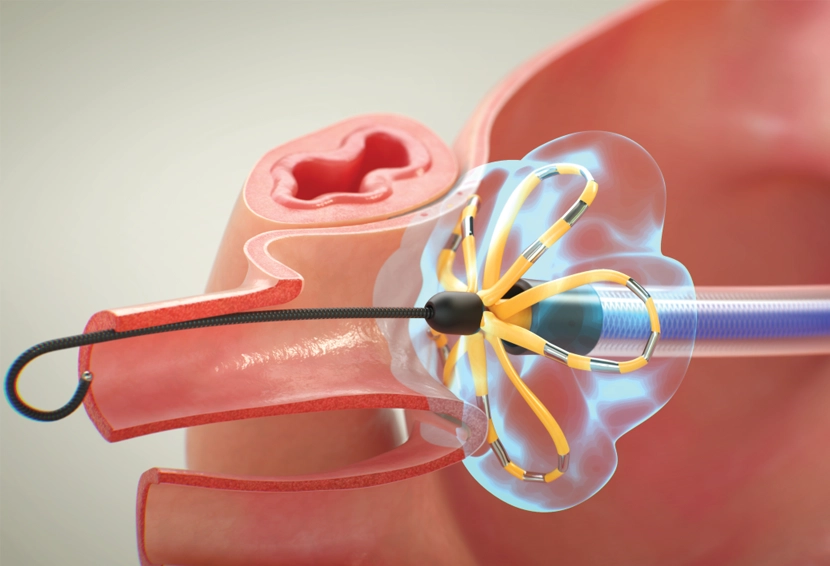
| Long-Standing Persistent Atrial Fibrillation | Long-standing persistent atrial fibrillation persists uninterrupted for a year or longer and is often linked to structural heart damage. Medication may not be able to adequately regulate the patient's heart rate or rhythm in this form, making treatment more challenging. It is possible that more extensive procedures, like cardiac pacemaker implantation, electrical cardioversion, or catheter ablation, will be necessary. |
| Permanent Atrial Fibrillation | Permanent atrial fibrillation is a condition that arises from long-term, treatment-resistant atrial fibrillation. The patient and doctors jointly decide to stop further treatment attempts. The heart then remains in a constant state of AFib. This results in more severe symptoms, poor quality of life, and a higher risk of major cardiac events. |
Read Also: How High Blood Pressure Silently Damages Your Heart & How to Control It
Get in touch with your doctor without delay if you're experiencing any of the symptoms that could indicate atrial fibrillation. Monitoring your pulse is something your doctor may recommend. Experiencing a weak or irregular pulse can indicate that you have atrial fibrillation.
However, if your atrial fibrillation isn't severe, you may not always feel a shift in your pulse. Rather, you might merely have fatigue or difficulty breathing. Your symptoms could be due to Afib or something else. This is why getting in touch with your doctor is crucial as you cannot diagnose this condition yourself.
The following are the treatment options for atrial fibrillation:
| Type of AFib | Treatment Options |
| Paroxysmal | • Lifestyle modifications • Medications to control heart rhythm or rate (beta-blockers, calcium channel blockers, antiarrhythmics) • Anticoagulants to reduce the risk of blood clots during recurrent episodes |
| Persistent | • Lifestyle modifications • Medications to restore or control heart rhythm and rate (beta-blockers, calcium channel blockers, antiarrhythmics) • Anticoagulants to prevent blood clots • Electrical cardioversion • Catheter ablation • Electrical pacing (pacemaker), if required |
| Long-Standing Persistent | • Lifestyle modifications • Medications to manage heart rhythm and rate (beta-blockers, calcium channel blockers, antiarrhythmics) • Anticoagulants to prevent clot formation • Electrical cardioversion • Catheter ablation • Electrical pacing (pacemaker) |
| Permanent | • No attempts are made to restore normal heart rhythm. • Medications to control heart rate (beta-blockers, calcium channel blockers) • Medications to prevent blood clots and support overall heart function |
The cost of atrial fibrillation treatment in India varies from ₹1,18,326 – ₹1,76,046. Cost variations for atrial fibrillation treatment in India depend on the type of atrial fibrillation, treatment method, duration of treatment, doctor's expertise, type of care facility (private or government), and financial coverage (out-of-pocket or insurance).
| City | Approx. Cost Range (INR) |
| Mumbai | ₹1,12,554 – ₹1,76,046 |
| Chennai | ₹1,15,440 – ₹1,65,945 |
| Kolkata | ₹1,08,225 – ₹1,63,059 |
| Bangalore | ₹1,12,554 – ₹1,70,274 |
| Hyderabad | ₹1,11,111 – ₹1,68,831 |
Coping with an atrial fibrillation diagnosis can be a stressful, challenging, and terrifying experience. Many are discovering new ways to live their lives with atrial fibrillation. Your doctor will discuss every step of the treatment with you and keep you informed about the possible treatment methods. The specialists at Artemis Heart Care can determine the cause. They will assess your irregular heart rhythm and provide personalized treatment plans tailored to the specific type of arrhythmia you are experiencing.
Artemis Cardiac Care is one of the top heart care hospitals in India, India. Book your consultation today.
Q1: Would it be possible to completely cure atrial fibrillation?
A: Catheter ablation is one treatment that can greatly reduce or eliminate episodes in many individuals, particularly those with early or paroxysmal AFib. However, instead of a permanent cure, some people would require long-term care.
Q2: How long does it take to recover from AFib treatment?
A: The course of treatment determines recovery. Cardioversion usually enables rapid recovery, and medications don't require any downtime. Catheter ablation typically requires a brief hospital stay, followed by a return to regular activities within a few days.
Q3: Do individuals with AFib require blood thinners?
A: Many patients do, but not all of them. Blood thinners are essential for preventing clot-related problems and are recommended based on the patient's age, stroke risk, and other medical conditions.

Consultant Cardiologist Cardiology Department
Meet the doctorFrom Recent Advancements in Heart Care to Tips and Tricks to make your Heart Healthy Again, stay updated with reliable and informative blogs by our experts.

 WhatsApp Us (24/7)
 +91 9070902010 (24/7)


 Previous