These are illnesses caused by harmful germs (pathogens) that enter your body. The most common causes are viruses, bacteria, fungi, and parasites spreading from person to person via contaminated food or water and through bug bites.
Examples:
Inflammatory conditions happen when your body's immune response causes prolonged or excessive inflammation. These conditions often damage healthy tissues instead of just fighting threats.
Inflammation is your immune system's response to injury or infection.
Examples:
Infection is the invasion of harmful microbes (bacteria, viruses, etc.) into your body, while inflammation is your body's protective immune response to injury, irritants, or infection.
Infection is an external invasion, while inflammation is an internal, protective process. Other than infection, there are certain factors in the body that can cause inflammatory conditions.
| Key Aspect | Infective Reaction | Inflammatory Reaction |
| Nature | External pathogen invasion | Internal protective response |
| Primary Cause | Microbes (e.g., bacteria, viruses) | Injury, irritants, infection, or autoimmunity |
| Outcome | Potential disease if untreated | Healing or chronic damage if prolonged |
Infectious conditions are caused by pathogenic microorganisms such as viruses, bacteria, fungi, or parasites.
Here are some causes of inflammatory diseases:
The symptoms may vary based on the type; however, the common symptoms are:
Infection and inflammation are often related. Inflammation can happen in your body due to many lifestyle and environmental factors, including infection. Hence, if you experience fever, fatigue, muscle aches and chills, rashes, coughs, sore throats, digestive issues (diarrhea/vomiting), or joint pain/swelling, consult your doctor.
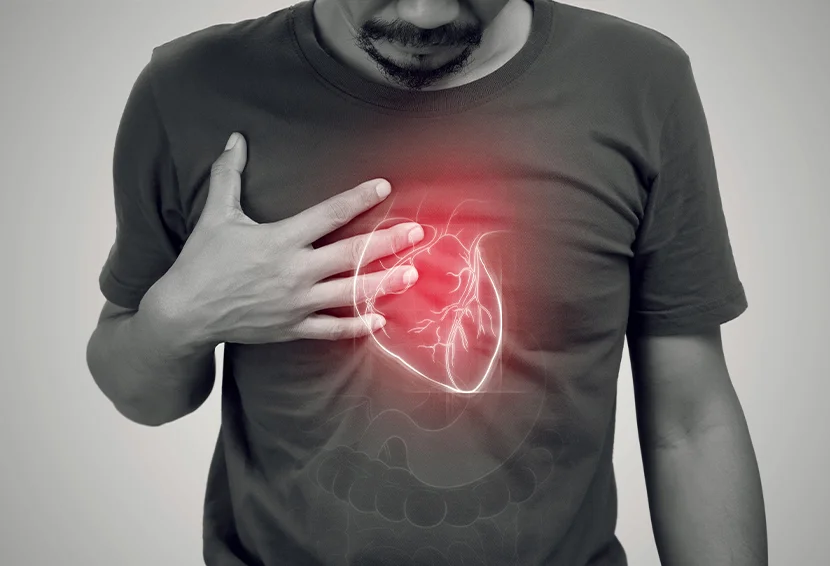
Signs of heart inflammation (carditis) include chest pain, shortness of breath, fatigue, fever, swelling (legs/ankles), and irregular heartbeats. Visit the best nearby heart doctor in Bikaner to prevent further complications.
Searching for the best heart care hospital?
Contact Artemis Cardiac Care, known for its patient-centric approach backed by advanced diagnostic technologies for accurate diagnosis of inflammatory conditions of the heart.
Treatment Options Available:
Call us at +91 9070902010 (24/7).
Q1: What are the 5 signs of inflammation due to infection?
A: These five signs in your body can indicate inflammation:
Q2: How to remove inflammation in the body?
A: Adapt anti-inflammatory dietary changes and lifestyle modifications:
Q3: How to differentiate infection from inflammation?
A: Infection happens because of harmful microbe (bacteria, viruses) invasion, while inflammation is the body's protective immune response to infection, injury, or other conditions.

Consultant Cardiologist Cardiology Department
Meet the doctorFrom Recent Advancements in Heart Care to Tips and Tricks to make your Heart Healthy Again, stay updated with reliable and informative blogs by our experts.

 WhatsApp Us (24/7)
 +91 9070902010 (24/7)


 Previous