Here are common cardiac emergencies during exercise that may be triggered by intense, sudden physical strain and underlying heart conditions:
The risk may be higher in the following scenarios:
Signs of heart issues during a workout are your body’s way of telling you that the heart is struggling to meet the oxygen demand.
If you are experiencing the following symptoms during exercise, stop immediately and contact the top heart doctor in Ranchi, like Dr Rajesh Kumar Jha with 16 years of experience.
| Category of Symptoms and Signs | How They May Feel Like | What They Indicate |
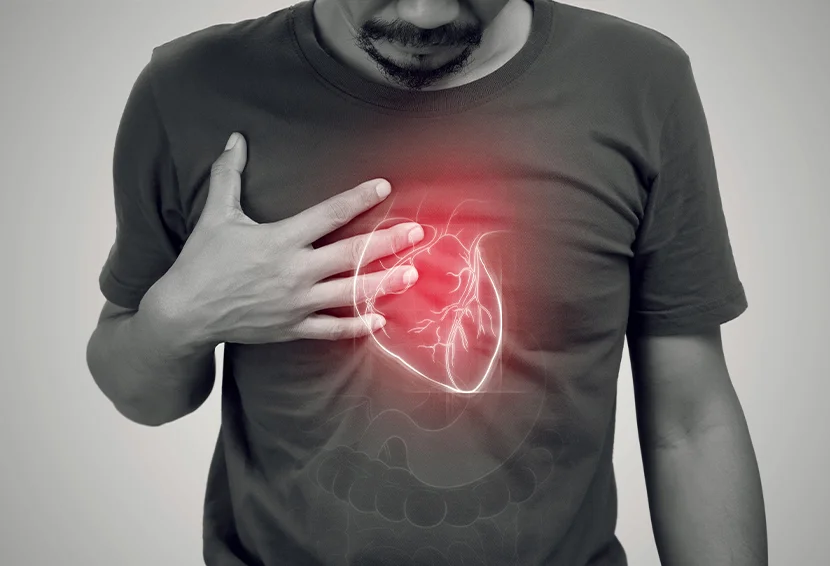
| Chest pain or discomfort | Pressure, tightness, squeezing, burning, or pain in the chest, sometimes spreading to arms, neck, jaw, or back. | May indicate angina. Decreased blood flow to the heart, or an expected heart attack. |
| Unusual shortness of breath | Feeling breathless with light or moderate effort, or breathless when you normally wouldn’t be. | The heart may not be pumping properly. Fluid buildup in the lungs. |
| Dizziness or lightheadedness | Feeling faint, woozy, or like you might pass out during or post exercise. | Can signal low blood pressure, arrhythmia (irregular heart rhythm). |
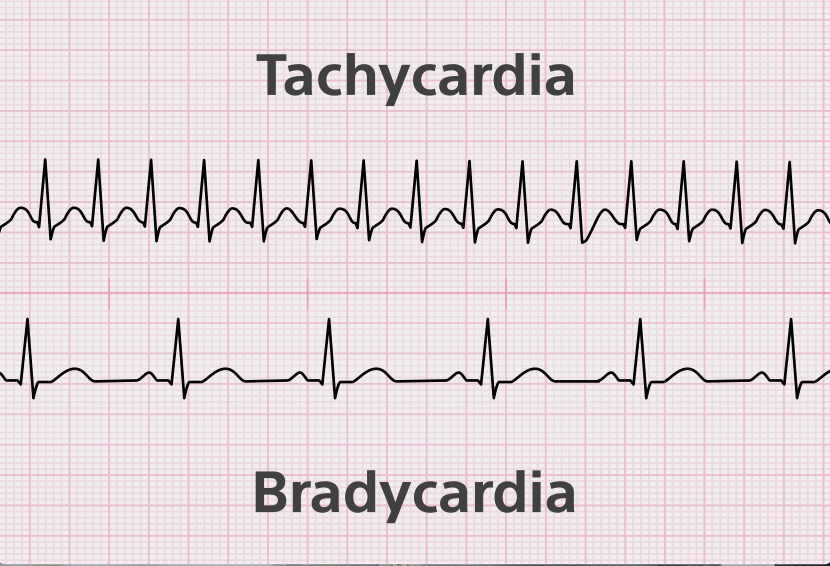
| Palpitations or irregular heartbeat | Heart racing, pounding, “fluttering,” or skipping beats that feel abnormal. | May indicate a dangerous arrhythmia. |
| Sudden or extreme fatigue | Unexplained exhaustion or weakness during or after exercise, beyond what your fitness level explains. | Could be an early or “silent” sign of an underlying heart condition. |
| Fainting or near‑fainting (syncope) | Actual loss of consciousness or feeling like you are about to collapse during exertion. | May indicate serious arrhythmia, structural heart disease, or sudden cardiac arrest risk. |
If you have the risk factors, here are the safe exercise guidelines for heart conditions that you can follow:
The best exercise will be suggested by your cardiologist or rehab team based on your condition and severity of symptoms; just follow their advice.
Cardiologists in Ranchi suggest keeping in mind these dos and don’ts:
If you follow your doctor's advice and listen to your body, you can exercise safely and live a healthy life.
Looking for the best cardiac hospital to manage heart conditions and personalize heart-friendly exercise?
Call Artemis Cardiac Care, the JCI (Joint Commission International) accredited medical institution, at +91 9070902010 (24/7).
Our experts:
Our Address: Raj Hospital, Mahatma Gandhi Main Rd, Hindpiri, Ranchi, Jharkhand 834001
Disclaimer: This content is for informational use only and is not a replacement for professional treatment; for the right pediatric heart care, contact your doctor.

Consultant Cardiology Department
Meet the doctorFrom Recent Advancements in Heart Care to Tips and Tricks to make your Heart Healthy Again, stay updated with reliable and informative blogs by our experts.

 WhatsApp Us (24/7)
 +91 9070902010 (24/7)


 Previous